By Antigona Urbana
HAVANA TIMES – The soles of my shoes can’t take much more; the wear and tear from so much walking in search of places where my miserable “salary” will stretch a little further is visible from a mile away. My clothes have faded from so many washings, and even my hair is losing its shine, dried out by stress and by having to replace the shampoo I’ve used all my life with whatever I can find that will more or less get it clean.
Hardship in Venezuela has a mean face, my parents used to say. It smells of cheap detergent and drags itself along on weary feet.
On the other side of the story, beyond the worn-out rhetoric, is the bubble inhabited by the privileged few who enjoy the perks of power.
In my country, “aguantando la pela” is an expression we use to say we’re barely making ends meet, just scraping by financially. When things get tough, people say, “Well, there’s no other choice. We just have to tough it out.”
And 2016 was precisely that, a very difficult year. I remember it for the exhaustion and constant anxiety of standing in endless lines under the sun, hoping that, depending on the last digit of your ID card, it would be your turn to buy a package of flour or some personal hygiene product.
I’m not an economist, nor do I know enough about economics to analyze the measures that brought us to that point, but I do remember how we improvised, resisted, and survived. Around that time, websites like Aguantando la Pela appeared, where people shared ideas for not giving up: cooking banana peels to imitate meat, making arepas from cassava, and improvising with whatever was available. It was during those difficult times that we created workshops called “Cook with Whatever You’ve Got,” borrowing a common expression from rural areas.
Fast Forward
Today, we walk into a grocery store and the shelves are full of merchandise. There’s no longer any need to stand in line. But that’s an illusion, because those of us struggling to get by are still barely surviving.
Over the years, through bureaucratic and deeply unpopular decisions, legal mechanisms were gradually created — legal loopholes that hurt us all — to justify freezing and effectively destroying real wages. Instead of paying decent salaries that guaranteed the benefits to which those of us who worked our entire lives were legally entitled, the state chose to supplement incomes with bonuses. In doing so, they stripped us of what had been our real safety net: retirement pensions, year-end bonuses, vacation pay, severance benefits, and even health insurance.
Today, we have a base monthly “salary” frozen at 130 bolivars — equivalent to less than 25 US cents — which no one can survive on for even a day. To somewhat calm the waters, the government distributes bonuses that make up a huge difference in income and arrive in dribs and drabs, providing temporary relief but no security for the future. Elderly people receiving the Amor Mayor pension (those who never contributed to Social Security) receive only their basic 130 bolivars plus a supplement of around $70. Meanwhile, those of us who retired after contributing to Social Security receive two payments a month: the Economic War Bonus (worth approximately $90 to $110 at the exchange rate) plus the additional $70 supplement.
But it makes no difference whether there are two bonuses or whether they have fancy names; those payments disappear in the blink of an eye in the face of rising prices. Moreover, all of this has turned workers’ lives upside down: there is no longer a decent survivor’s pension for those left behind, nor any real protection against old age or illness. People perform daily juggling acts just to put food on the table because the money simply isn’t enough.
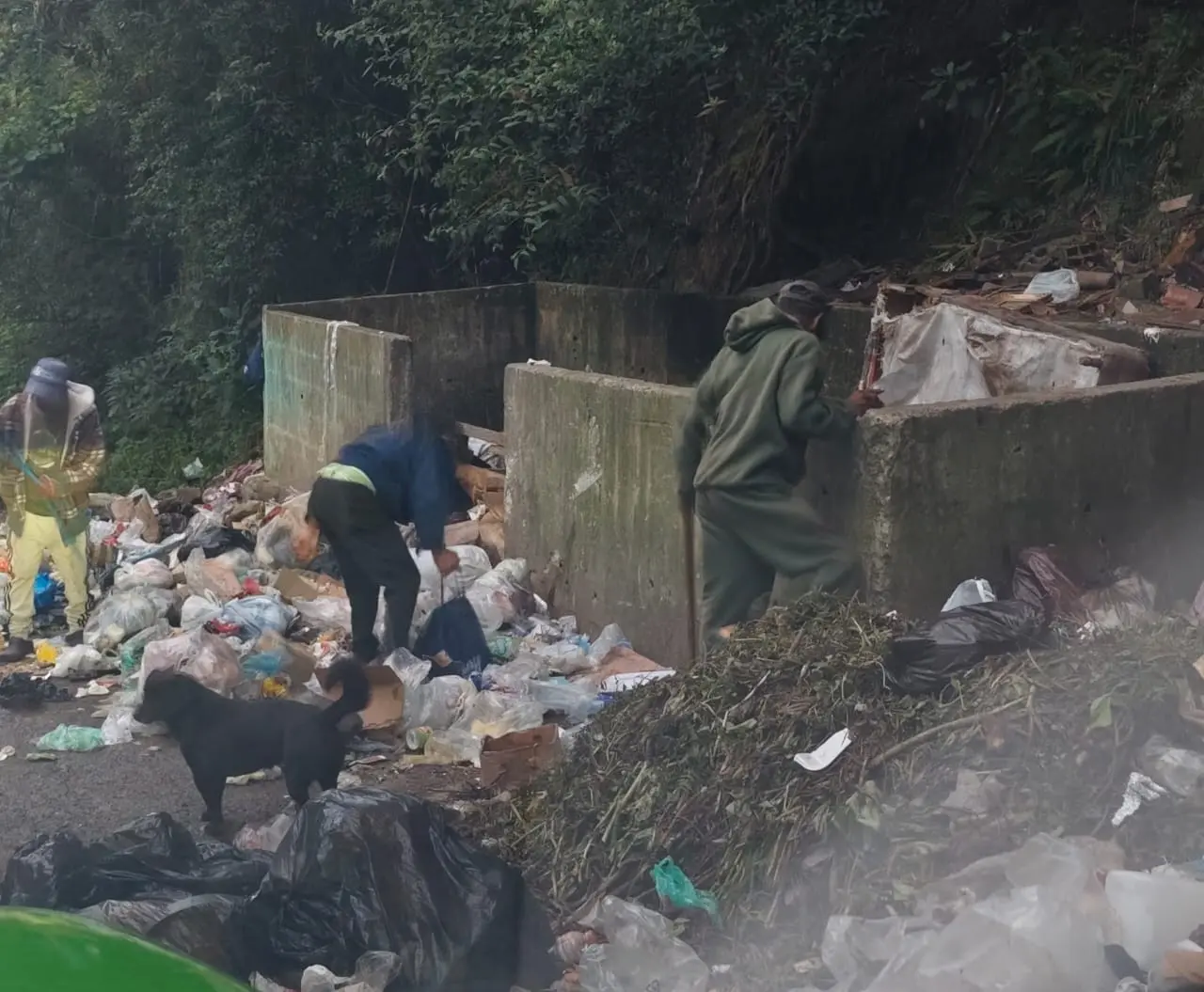
Out of that same financial squeeze comes another reality that is all too visible in my neighborhood: animals are suffering too. Walking around here, I see quite a few dogs and cats on the streets. Many once had owners, but their families could no longer afford to feed them and ended up abandoning them to their fate. I see them along the roads, skinny, rummaging through garbage or drinking water from puddles.
For them, there are no improvised meals made from banana peels, nor anyone to help them. All they can do is endure the sun, the rain, and the hunger of each passing day.
Sometimes it seems as though the crisis is over because products are visible in the stores, but the truth is that things are still extremely difficult. And the animals, who understand nothing about prices, laws, or dollars, are paying the price for the same crisis we are. Seeing them like that on the streets is heartbreaking because, ultimately, it shows just how difficult life has become for all of us.
What a paradox: struggling to survive and stripped of our labor rights in a wealthy country with the largest oil reserves in the world. The things one lives to see!
Read more from the diary of Antigona Urbana here on Havana Times.