Synopsis: Pressure mounts on household finances as nation faces slowing growth, prompting calls for financial discipline.
Cambodians are advised to exercise financial discipline, reduce unnecessary expenditure and prioritise long-term investment as the country navigates an economic slowdown and rising living costs.
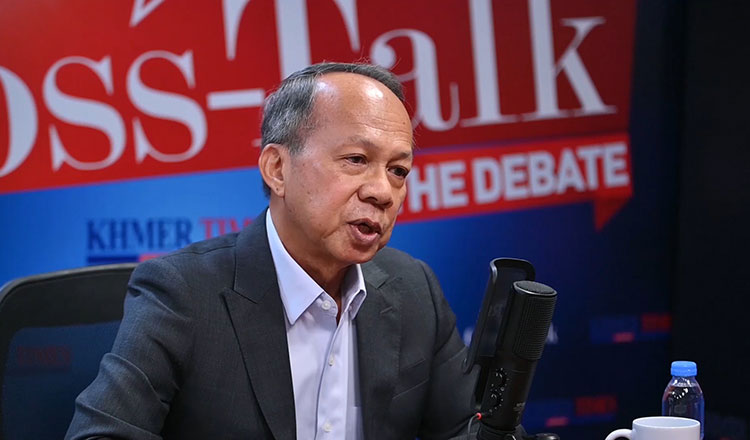
Senate Second Vice-President Thun Vathana said this as Cambodia faces economic headwinds, with the International Monetary Fund (IMF) projecting the Kingdom’s economic growth to slow to 3% in 2026, down from 5.3% in 2025. The IMF also forecasts average inflation of 5.6% this year, adding pressure on household purchasing power amid domestic demand and a real estate downturn.
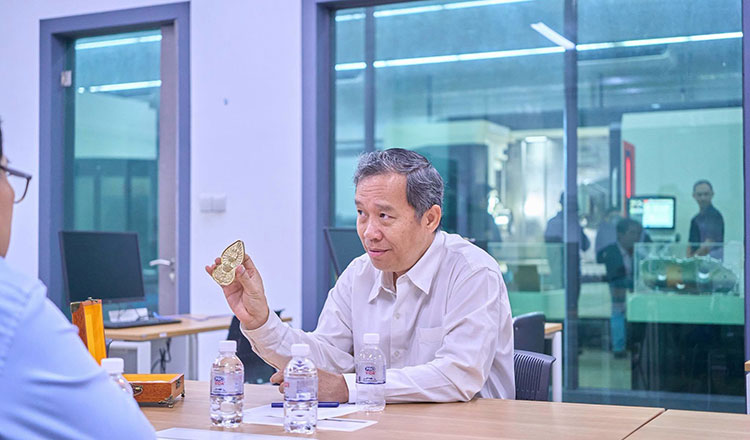
In an interview, Vathana, who is an agricultural economist, said that while household consumption remains a driver of national economic growth, excessive spending could undermine families’ financial stability and their ability to withstand economic shocks.
“People’s spending is a driving force behind national economic growth. However, wasteful expenditure can affect household financial stability and the ability to cope with risks,” he said.
He said national economic growth depends on exports and domestic consumption of goods and services, which stimulate production, investment and job creation.
He said consumption must be balanced with financial management, particularly during periods of economic uncertainty.
“In a context of rising commodity prices and sluggish economic growth, people should spend cautiously, prioritising savings, investment and productivity while reducing unnecessary expenditure,” Vathana said.
He said families should balance consumption and savings to safeguard their financial wellbeing, rather than focusing on short-term entertainment and material possessions.
Building financial reserves should be a priority for every household, particularly to cover healthcare expenses, emergencies and risks, he added.
“To maximise financial resilience and wellbeing, individuals should shift resources away from branded consumer goods,” Vathana said.
“Priority should be given to strategic investments, health care, enhanced nutrition, educational advancement and buffers for risks.”
He added that financial resources should be directed towards productive activities capable of generating sustainable income, including establishing businesses, manufacturing goods and providing services.
“Using financial resources to establish businesses, produce goods or provide services will generate more sustainable returns than spending on alcohol, luxury lifestyles and materialism that create no added value for the household economy,” he said.
“Investment in health, education and vocational skills provides the highest returns in the long term. Therefore, spending on education, skills training and healthcare should be regarded as an investment, not an expense,” he said.
He said improving knowledge, professional skills and personal wellbeing can strengthen individuals’ productive capacity and create opportunities for sustainable income generation.
Vathana said financial discipline at the household level contributes to individual economic security and the country’s broader economic strength.
“Disciplined spending, planned savings and investment with a long-term vision not only strengthen the household economy but also contribute to the strength, resilience and sustainability of the national economy,” he said.