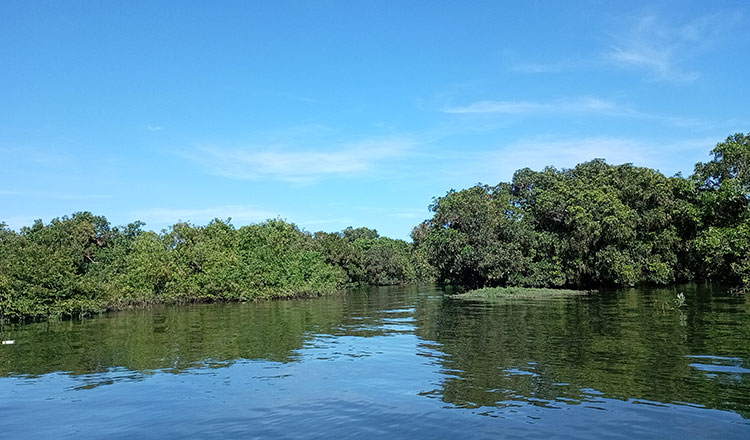
Authorities in Kampong Luong commune, Pursat province, are strengthening waste management in the floating community on Tonle Sap Lake, including proposed fines of 20,000 riel for people caught dumping rubbish into the water, Krakor district governor Orn Sophalla said.
Speaking to reporters in Kampong Luong commune on October 24, Sophalla said the Krakor district administration was developing a sustainable waste-management system covering both the lake and the mainland to protect the environment and improve living conditions for residents.
Under the plan, each household living on the water must have a rubbish bin. Once full, the waste must be securely packed and taken to a designated waste barge arranged by the commune.
Residents travelling to the mainland are expected to take their rubbish ashore, where waste collection services are available.
“Each household must have its own rubbish bin. When it is full, the waste should be securely packed and taken to a designated waste barge arranged by the commune,” he said.
The district administration is also working with village and commune chiefs, local authorities and civil servants to organise regular rubbish collection and educate residents about proper waste disposal.
Sophalla said authorities were developing monitoring and evaluation mechanisms to ensure compliance, including a 20,000-riel fine for people caught dumping rubbish indiscriminately into the water. Households or fishing boats found failing to manage their waste properly could also face the same fine.
The measures are being introduced gradually, with the aim of keeping the lake and surrounding communities clean.
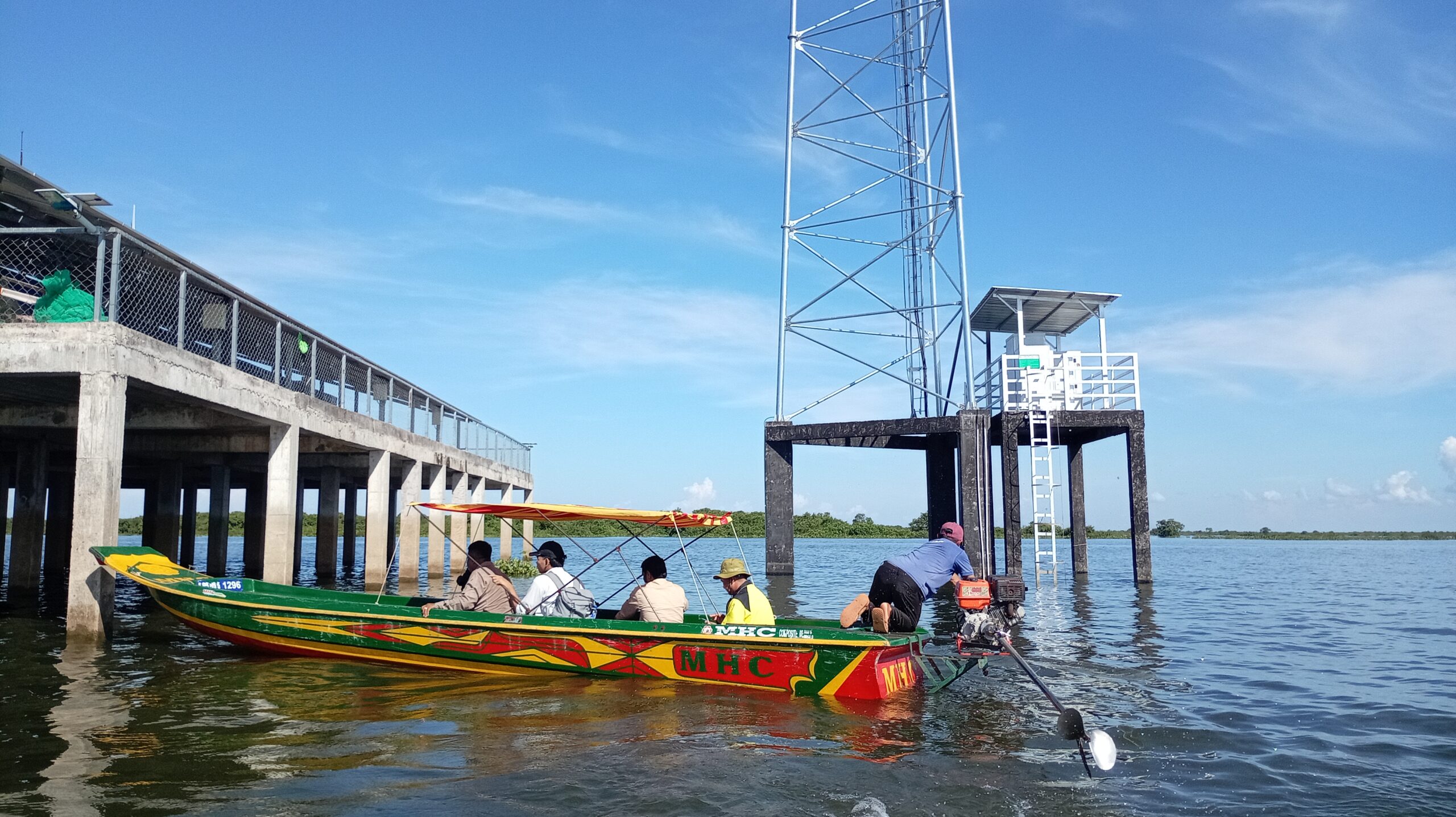
Alongside environmental management, the district has maintained a solar-powered battery-charging station in Kampong Luong to support residents living on the water, many of whom lack reliable access to electricity.
Sophalla said the station was established after development partners, including South Korean representatives, studied the energy needs of local households, which previously relied on batteries for lighting and other daily activities.
Before the station was established, charging a battery cost 4,000 riel. The facility now charges 1,200 riel per battery, with residents making a small contribution to help sustain its operations.
The station continues to serve residents who need to charge their batteries, although solar panels have since been distributed to many households through support from government working groups and provincial authorities.
People from neighbouring areas also use the facility when they come to fish around Tonle Sap Lake, he said.
Telecommunications infrastructure has also been installed to improve mobile phone coverage in the area. Sophalla said the mobile network facilities operated separately from the battery-charging station.
Authorities are also continuing efforts to combat illegal fishing through public education and enforcement of fisheries regulations.
Sophalla said fisheries officials and the district administration had educated residents about the fisheries law, including rules governing fishing-net mesh sizes.
Military personnel stationed on the lake also support monitoring efforts using drones and other equipment to identify locations where illegal fishing may occur.