The Federal Television team spoke to witnesses to the crime in Biljani near Ključ. Even 34 years later, they still don’t understand what made their neighbors become executioners on July 10, 1992. That day, 258 men, women and children were killed, including the youngest victim, four-month-old baby Amila Džaferagić. So far, only Marko Samardžija has been sentenced to nine years in prison for this crime. The victims’ families are not seeking revenge, but the truth and confession – so that the crime is never repeated by anyone.
Testimonies about separation
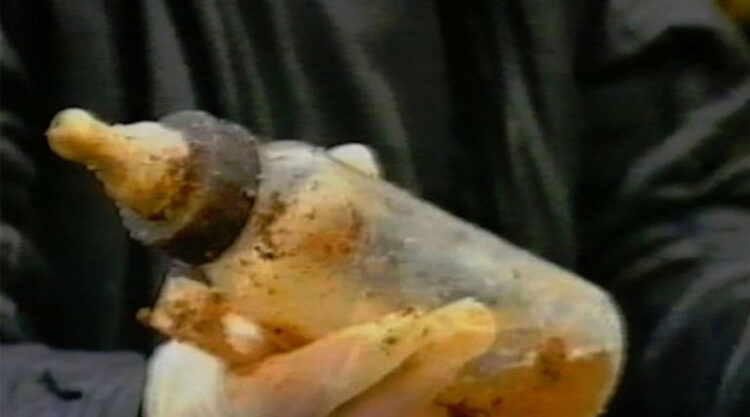
The autopsy report testifies to the scale of the crime. On page 70, under number 172, Amila Džaferagić, daughter of Šemsa, born on February 29, 1992 in Biljani near Ključ, is recorded. She was identified by her father, and two baby pacifiers were found next to her body. The report states that she was killed by a gunshot to the head.
Amila was not even five months old. On July 10, 1992, 257 other men, women and children were killed with her.
Jasminka Ćehić, a witness to the crime, recalled the moment when armed soldiers came to the house.
“In the morning, they came, knocked on the door and said: ‘Get out of the house.’ We went out, so they separated us. They said: ‘The women go upstairs in front of the store, and the men here.’
Jasminka never saw her brothers again.
Columns and shots
Certain death that day was avoided by Adnan Hodžić, who saved himself by lying that he was not 18 years old.
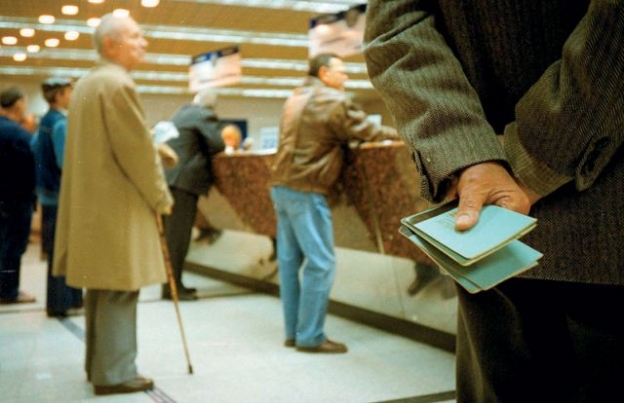
“Two of them stood in a column, with their hands behind their backs. That left the most impression on me. After about an hour, shooting started to be heard from the direction of the school. It lasted for several hours,” said Hodžić.
After the shooting, he adds, there was silence, and then excavators and trucks could be heard. It was the beginning of the cover-up of the crime.
Escape and loss of family
Rajif Hodžić was then 28 years old and managed to escape, but his father did not.
“They immediately attacked around my house. We noticed that and somehow I managed to get out of the house and jump over the hedge,” Hodžić recalls.
And there are many stories. Difficult and painful, but extremely important for preserving the truth.
Dursum Dervišević testified that the parents watched their children being taken away.
“My parents watched the procession, they watched their children come to school with their neighbors. No one came back alive,” said Dervišević.
Edin Domazet reminds us of the scale of the crime in his own family.
“My father Fadil Domazet was killed, my uncle Hazim was killed. Twenty-three people with the surname Domazet were killed – neighbors and family,” said Domazet.
Neighbors as perpetrators
Those accused of crimes in Biljani are people with whom they shared their daily lives. Neighbors, work colleagues, friends.
“We were like one. People came to our place, sat, ate and drank coffee. No one could have imagined that this would happen,” said Bida Avdić.
Mass graves and the scale of the crimes
In Biljani, time has been measured by a single date for 34 years – July 10, 1992. Particularly brutal crimes were committed in the hamlet of Botonjići, where all 57 inhabitants were killed. Eleven elderly and infirm people were burned alive in a barn.
The bodies of the murdered Biljani residents were found in mass graves Lanište one, Crvena zemlja one and two, and in a grave in Biljani itself.