Tortica’s for 100 pesos
By Safie M. Gonzalez
HAVANA TIMES – On a Havana street, where pavement gives way to worn concrete and rusty iron gates tell stories spanning decades, a sign appears that defies logic while, at the same time, explaining everything. Against a pristine white background, written in red letters that seem to tremble under the weight of inflation, it reads: “TORTICA 100 Pesos.”
The image, captured on an ordinary morning, is much more than a culinary offering. It is an unintentional still life of present-day Cuba.
At first glance, the sign stands out for its brutal honesty. There is no graphic design, no corporate logo. Just a piece of white poster board, perhaps recycled, fastened with a piece of twine and a red clothespin to a wrought-iron gate. The circles of the gate, which once protected a home’s privacy, now serve as a frame for an informal business. The number 3145 on the wall is the only connection to the administrative identity of a property that, like so many others, has become a microenterprise.
But what makes the image truly endearing is what happens in the background. While the sign advertises a “tortica” at a price that would have seemed like a joke a few years ago but is now commonplace on the streets, a black cat rests peacefully on a blue-upholstered office chair. Oblivious to the crisis and inflation, the feline sleeps with the dignity of someone who doesn’t have to worry about the price of flour or eggs.
The scene offers a perfect contrast: the tension surrounding the price versus the cat’s absolute tranquility. It is a metaphor for a city where life goes on despite everything, and where humor finds refuge in the most unexpected corners.
Simplicity as a Guiding Principle
That sign, with its shaky lettering, is also a reminder of something profoundly Cuban: a love for simple things. The tortica is not a fancy pastry displayed in a refrigerated showcase. It is flour, sugar, and fat.
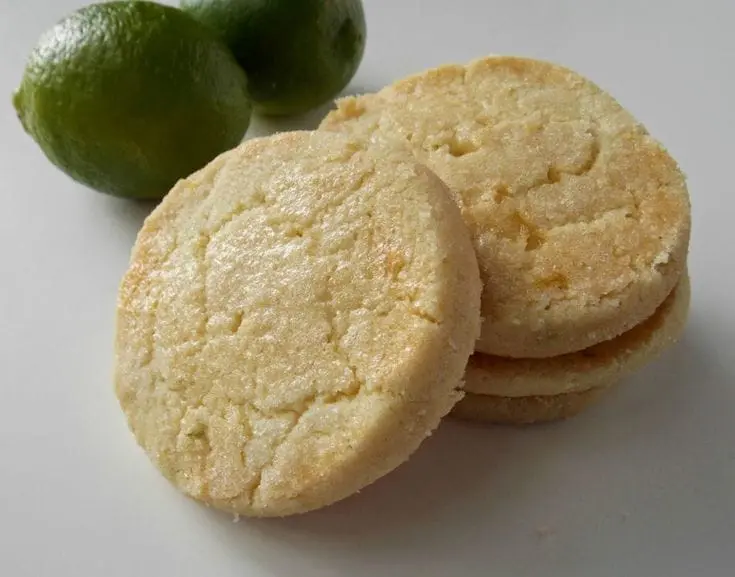
The original recipe, attributed to Doña Serafina Echemendía — known as “Fina” — in the city of Moron, Ciego de Ávila, around 1926 or 1927, was born precisely from such humble ingredients. According to tradition, Fina replaced the nuts in a sweet of Andalusian origin with lemon zest, creating a pale, crunchy cookie that melts in your mouth. The basic ingredients were those traditionally within reach: flour, sugar, salt, and solidified lard. Over time, many home cooks added a dab of guava or mango jam in the center, and butter replaced lard in some versions. But the essence remained intact: something sweet, inexpensive, and homemade.
In times of scarcity, that simplicity is not merely a culinary virtue; it is a survival strategy. Making a tortica does not require industrial ovens or imported ingredients. It requires whatever is available: a little flour, some fat, sugar, and, if possible, a touch of vanilla or lemon.
A Sweet Treat with Many Names
What the sign calls a “tortica” is not known by the same name throughout Cuba. And therein lies another layer of the story.
In Havana and large parts of the country, the name “tortica” has remained faithful to the original from Moron. But in other provinces, the same sweet goes by different names. In Camagüey, for example, many people know them as “mantecaditos” or simply “mantecados.” In Santiago de Cuba and Villa Clara, the term “mantecado” is also common. And in Sancti Spíritus, some call them “polvorones.”
The confusion has historical roots. Torticas from Moron share their culinary DNA with Andalusian polvorones and Spanish mantecados, and over time each region adopted the name that seemed most familiar. Historian Hector Izquierdo Acuña pointed out a key difference: only the original torticas have their centers decorated with guava or mango jam, while mantecados and polvorones are usually plain. In practice, however, the distinction is blurred. What matters is not the name but the gesture: buying or making a homemade sweet to accompany coffee, sweeten the afternoon, or simply remember that there are things the crisis has not taken away.
The Connection to Tradition
There is something about the tortica that transcends its price. It is a sweet treat associated with grandmothers, childhood afternoon snacks, and Sundays when someone turned on the oven and the house filled with the aroma of butter and vanilla. The tortica from Moron became a symbol of a region and, by extension, of a way of understanding baking: unpretentious, using whatever is available, but taking pride in doing it well.
Perhaps the woman who owns the house at number 3145 doesn’t sell many torticas at 100 pesos apiece. Perhaps the black cat will continue sleeping undisturbed in its blue chair. But the sign has already served its purpose: reminding us that, amid red lettering and rusty iron gates, tradition is defended however possible. Sometimes with a freshly baked tortica, just like the ones grandmothers used to make, just like those from Sunday afternoons.
Read more from the diary of Safie M. Gonzalez here on Havana Times.