MARYSVILLE — The Marysville City Council is scheduled to vote on the city’s $470.2 million 2027-28 biennial budget at its regular meeting this coming Monday Nov. 9.
The proposed two-year budget includes $157.3 million of spending from the general fund. The general fund is the city’s most flexible funding source, and most of the city’s staff is paid through it.
“This is probably, I can say, the most difficult budget situation that we’ve faced since the years of the great recession,” Mayor Jon Nehring said during a city council meeting Oct. 5. “Certainly not as bad as the one during the great recession, but I don’t remember one that’s been more difficult.”
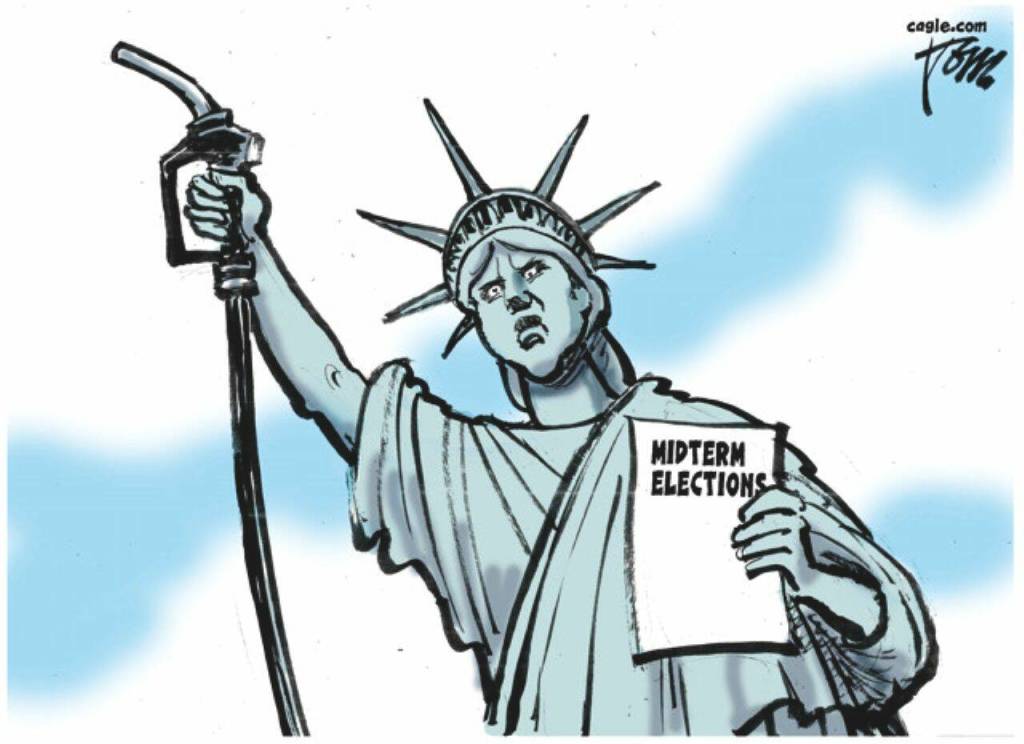
Inflation, fuel prices, county jail fee increases and unfunded state mandates, including lowering defense attorney case workloads, are reasons Marysville needed to raise revenue and cut expenses in the upcoming two-year budget, Nehring said.
In 2026, Marysville was set to end the year with a $6.9 million deficit. To help, the city reduced spending by $3.9 million and will dip into savings to handle the rest, City Administrator Jennifer Stapleton said in an Oct. 23 interview.
The 2027-28 proposed budget includes $154.1 million in general fund revenue, resulting in a structural deficit of $3.2 million.
Further savings will cover the difference, Stapleton said on Oct. 23.
“You’re carrying that structural deficit into future years by drawing down your fund balance,” she said. “We started to see that if we were to allow that structural deficit to continue at the level that it was, we would be tapping into reserves, and so we needed to take action.”
Marysville eliminated five full-time positions and restructured others to create the savings, Nehring said on Oct. 5.
However, with the restructures and positions added, the proposed budget keeps the number of full-time positions paid for by the general fund the same, Finance Director Heide Brillantes said on Oct. 5. Non-general fund positions go down by one, she said.
The proposed budget also ends an opt-out incentive offered to employees who already had health coverage through a plan other than the city’s, Nehring said. The total savings total about $2.4 million over the biennium, he said.
The 2027-28 budget also includes increased revenue with a 0.1% criminal justice sales tax.
“The largest chunk of our unfunded mandates that we discussed here, including those I cited early, are in the area of public safety,” Nehring said Oct. 5. “Our preference would have been to send this measure to the voters … Unfortunately, state law only allows this additional 0.1% sales tax to be done by a vote of the city council.”
The criminal justice sales tax is allowed by state law. Snohomish County, Edmonds and Stanwood approved criminal justice sales taxes in August. Lynnwood approved a tax in January.
On Oct. 12, the Marysville City Council unanimously approved the new tax, increasing the city’s sales tax from 9.4% to 9.5% and creating an additional $3.3 million in revenue over two years.
The proposed budget does not include a property tax increase.
“The city has not raised its portion of the property tax in over a decade,” Nehring said on Oct. 5. “At this point, we’re probably one of the only cities in the state that can say that.”
Marysville will also raise its water, wastewater and stormwater utility rates, although these funds do not go into the general fund.
“Unfortunately, inflation and other costs outside the city’s control are impacting these funds even more than the general fund,” Nehring said.
Over the last 20 years, Everett increased the cost of water to Marysville by 150%, Stapleton said Oct. 26.
“We have not even come close to keeping pace with that,” she said. “Our average rate increase over the 20-year period since that last rate study was approximately 2% year-over-year.”
Marysville endeavors to find more of its own water sources, Nehring said on Oct. 5, “but as of now we have no additional local sources to tap.”
Starting in 2027, the average rate for a typical residential customer will increase by about $35, paid every two months, from $59.58 per 10,000 gallons to $95.32 per 10,000 gallons, Brillantes said on Oct. 26.
Wastewater rates will increase by $23.81 for a typical household, from $107 to $130.81 every two months.
Stormwater rates will increase by $8.43 for a typical household, from $29.08 to $37.51 every two months.
Solid waste rates are also going up by $6.15, paid every two months, for a typical customer with 36-gallon garbage and recycling service.
“With diesel fuel nearing $7 a gallon, our garbage hauling budget and expenses for the coming biennium have increased by over $300,000,” Nehring said on Oct. 5. “We also have an aging water and sewer infrastructure system that requires careful budgeting and planning for repair and replacement.”
These utility rate increases followed a comprehensive study officials finalized with the budget, Stapleton said on Oct. 26.
The city council approved the new rates unanimously on Oct. 26.
Taylor Scott Richmond: 425-339-3046; taylor.richmond@heraldnet.com; Bluesky: @btayokay.bsky.social