Jakarta, IO – Flash floods and overflowing rivers in Padang and several other areas of West Sumatra have once again tested the Government’s readiness to protect affected communities. Amid the distribution of aid, evacuations and infrastructure recovery, a more fundamental question arises: is everyone receiving equal protection?
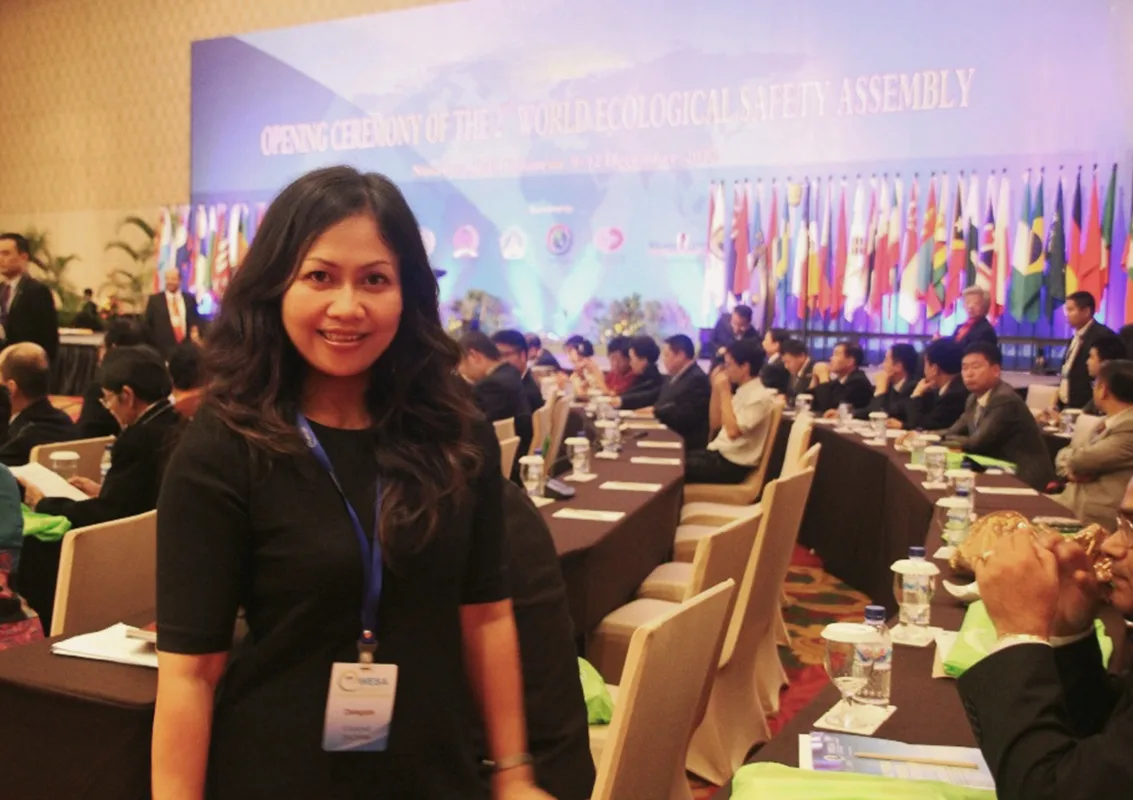
Nukila Evanty, Executive Director of Amcolabora Institute and Indigenous Peoples’ Initiative (IMA), and as the Indonesian coordinator for the Global Network of Civil Society Organisations for Disaster Reduction (GNDR), has highlighted gaps in disaster management, particularly in the protection of minority groups, women, people with disabilities, Indigenous communities, older people and people with diverse sexual orientations and gender identities.
Through research and advocacy in West Sumatra and North Sumatra, Nukila is promoting a human rights-based approach to disaster management that emphasizes equality and social inclusion. In her view, disaster response must go beyond emergency assistance. The state must also ensure that everyone can access protection, voice their needs and receive adequate support to recover after a disaster.
“Through my advocacy work, I have heard directly from affected communities. Their most pressing needs are food, clean water and shelter. At the same time, they have lost their livelihoods, face psychological distress and remain uncertain about how they will rebuild their lives after the disaster,” Nukila said.
Nukila acknowledged that providing clean water, food, evacuation services and embankment repairs was essential. However, these efforts should not stop there. The Government must ensure that aid reaches everyone appropriately, including by addressing the sanitation needs of women, infants, older people, people with disabilities and minority groups.
“I see fundamental problems with the protection of citizens’ rights in Indonesia’s disaster management efforts. Although Indonesia has a legal framework for disaster management, risk mitigation tools such as inaRISK and emergency response mechanisms, their implementation does not yet fully guarantee inclusive and equitable protection,” she said.
Nukila highlighted inadequate funding for prevention, delays in financial support during emergencies and gaps between policies and the actual needs of affected communities. She said disaster management must not focus solely on the temporary distribution of aid. It must also ensure access to clean water, food, sanitation, health services, psychosocial support and sustainable recovery for affected communities.
“I see that protection for vulnerable groups is still given limited consideration. These include women, children, older people and people with disabilities. Attention must also be given to religious and ethnic minorities, Indigenous communities and people with diverse sexual orientations and gender identities, including transgender women. They risk facing discrimination, stigma, barriers to accessing aid and limited opportunities to voice their own needs,” she said.
Read More: Prabowo Meets With DEN To Discuss El Nino Preparedness, Food Security
Nukila also pointed to the inadequate implementation of Gender Equality, Disability and Social Inclusion (GEDSI) principles in shelter management and early warning systems. Inadequate data collection on disaster victims, inaccessible shelters, limited privacy and safety for women, and emergency information that fails to reach people with sensory disabilities can increase risks and inequalities during disasters.
Nukila therefore called for stronger disaggregated data on disaster victims, preventive budgeting, safe and inclusive shelters, early warning systems accessible to everyone – and meaningful participation by affected groups in mitigation and recovery planning. She also stressed the importance of holding the Government and companies accountable when corporate activities are proven to have contributed to environmental damage and disasters.
For Nukila, a human rights-based approach to disaster management must ensure that people’s rights are respected, protected and fulfilled at every stage of a disaster. The measure of the state’s success is not simply how much aid it distributes, but whether everyone, including minority groups often overlooked in policymaking, receives protection, opportunities to participate and adequate support for recovery.
“Disasters can affect anyone, but the state must ensure that no one is left behind in protection and recovery,” she said. (des)