Claudia Magaly Muguía was abducted on July 14, 2026
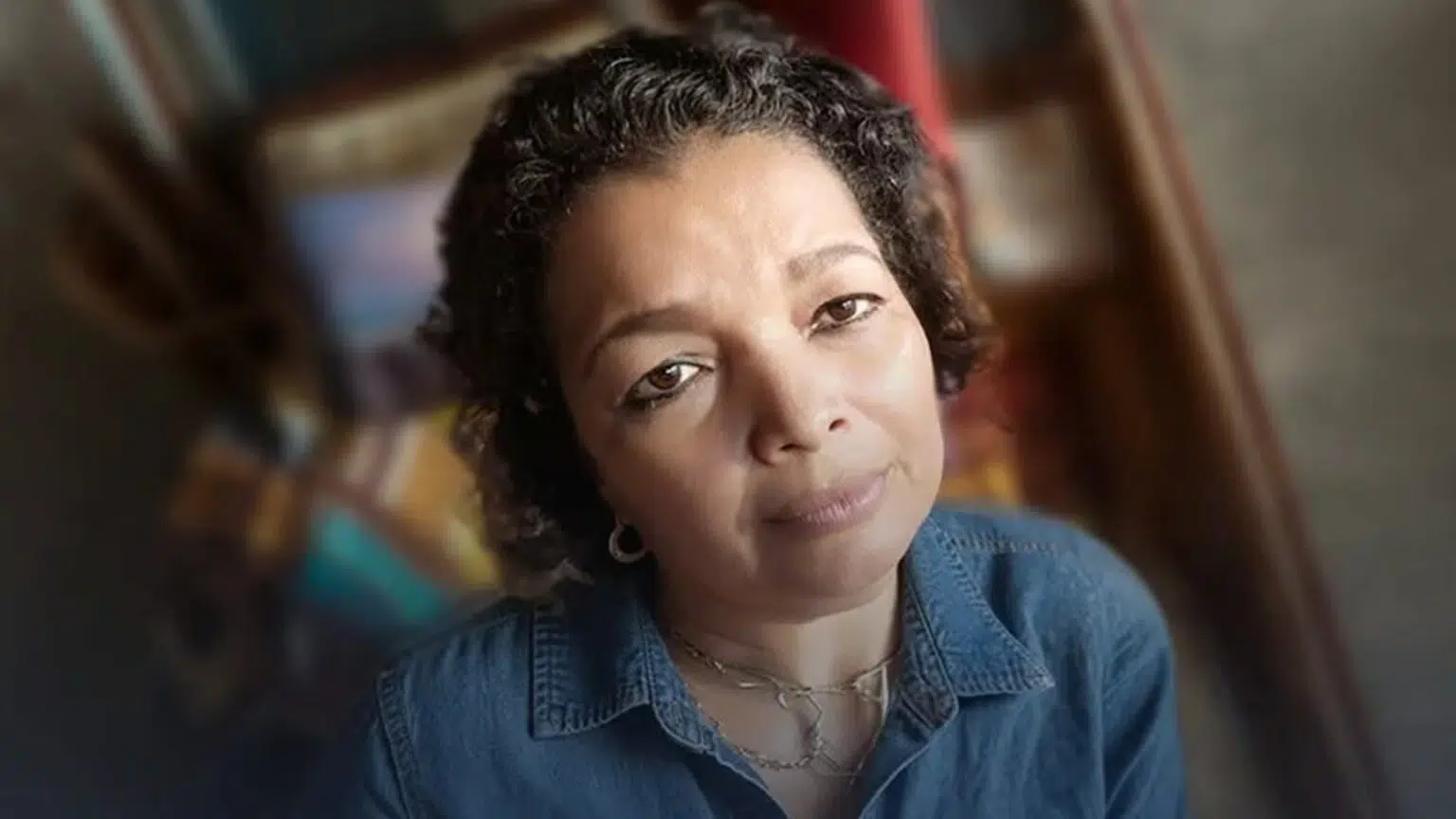
Claudia Magaly Munguía Mayorga is one of the 15 women arrested for political reasons in Nicaragua. Photo: Social Media.
A native of Chinandega, she is among 15 women imprisoned for political reasons in Nicaragua. Her family has searched for her at prisons across the country.
By Confidencial
HAVANA TIMES – Claudia Magaly Munguía Mayorga, 54, has been missing since she was detained by police officers and civilians on July 14, 2026. She has cancer, diabetes and hypertension, and her family does not know where she is being held, whether she is receiving medical treatment, or what condition she is in.
On July 15, her family began going from police station to police station in Chinandega in search of information. When they received no answers, they continued their search in Managua on July 16 and 17, visiting the infamous jail known as “El Chipote,” Police District 3 and the “La Esperanza” Women’s Penitentiary. They were unable to obtain information at any of the detention facilities.
“She has hypertension and chronic illnesses, and she had been diagnosed with lung cancer just days earlier. That is what is so concerning, because the family knows nothing about her and wants to know whether she is receiving the proper treatment,” Medardo Mairena, a former political prisoner and member of Nicaragua’s Peasant Movement, told CONFIDENCIAL. The organization is calling for the release of Munguía, who is from Chinandega.
The Inter-American Commission on Human Rights (IACHR) documented the family’s search in Resolution 71/2026, in which it granted precautionary measures in favor of Munguía Mayorga after determining that her rights were at risk under the government of Daniel Ortega and Rosario Murillo, whose authorities have withheld information about her whereabouts.
In Nicaragua, enforced disappearance has gone from being a form of police abuse to an institutionalized state policy. According to the IACHR, Munguía Mayorga’s relatives were placed under surveillance and photographed “during their efforts to determine her whereabouts.”
“Her situation is extremely concerning because she is in very poor health. Her condition is very likely to worsen, and there are fears for her life,” Mairena reiterated.
Family Continues Searching for Her at “La Esperanza”
According to the IACHR, the family has not given up and continues looking for her at “La Esperanza.” During their first visit, authorities told her son that “he could not see her because he was not listed as a person registered or authorized by her for visits.” On July 21, relatives returned to the prison seeking information but were told that “she was no longer there.”
They tried again on August 14, when three family members returned to “La Esperanza” to determine whether she was being held there. They identified themselves, presented their documents and provided Munguía Mayorga’s full name. After waiting approximately 20 minutes, officials told them they “had no information” about her and that she was not being held at the facility.
The IACHR notes that it remains unknown “whether the proposed beneficiary is receiving the medical treatment she needs, whether she has access to her medications, whether she is being evaluated by specialized medical personnel, and whether the continuity of her cancer treatment is being ensured.”
The only information the family has received about a possible reason for her detention came from a National Police captain, who reportedly told one of Munguía Mayorga’s nieces that she was being detained and investigated for being a “coup plotter.”
Munguía Mayorga was actively involved in social and political activities in Chinandega during the 2018 protests and has criticized members of the Sandinista Citizen’s Power Councils (CPC).
Top, from left: Thelma Montenegro, Claudia Magaly Munguía, Alda Lopez Bryan and Salvadora Martinez. Bottom, from left: Glenis Criesa Pantin Coleman, Florencia Sarmiento, Elvia Flores and Angelica Chavarria. Photo: CONFIDENCIAL collage.
The Other Women Political Prisoners
At least 15 women have been detained and remain forcibly disappeared for political reasons in Nicaragua, according to the Mechanism for the Recognition of Political Prisoners. These are the other women political prisoners for whom no proof of life has been provided:
Thelma del Rosario Montenegro Centeno: A native of Santa María de Pantasma, she was arrested on August 19, 2026. The IACHR also granted precautionary measures in her favor. Montenegro is a member of the Mothers of April Association.
María Dolores Gonzalez Martinez: The lawyer was detained on July 14, 2026, during one of the government’s waves of arrests. She is from Managua.
Aurora Marina Chavarría Cordeo: The 56-year-old pastor is from Matagalpa and was detained on July 14, 2026. She was taken from her home, and her whereabouts remain unknown.
Alda Lopez Bryan: She is the sister of Indigenous leader Brooklyn Rivera, who died in state custody. She was detained on May 31, 2026, and has been missing since seeking the return of Rivera’s body.
Glenis Criesa Pantin Coleman: The 36-year-old was also detained on May 31, 2026, while traveling with a group to Managua to demand the return of Brooklyn Rivera’s body.
Florencia Sarmiento: The 58-year-old, who is from Waspam, was arrested on May 31, 2026, after seeking the return of Rivera’s body.
Salvadora del Socorro Martinez Aburto: The government has refused to provide “immediate proof of life” for the political prisoner, who was arbitrarily detained alongside her husband, Carlos Brenes, on August 14, 2025.
Elvia Junieth Flores Castillo: She has been missing since March 21, 2025. That day, she managed to contact her mother to tell her that police officers were about to detain her along with her daughters, ages 9 and 15.
Angelica Patricia Chavarría Altamirano: A political prisoner since May 19, 2024, she is being held at La Esperanza prison. She was the partner of the late former head of the Nicaraguan Army, Humberto Ortega, Daniel Ortega’s younger brother.
Of the 15 women who have been forcibly disappeared, two are minors and five remain anonymous, according to data through September from the Mechanism for the Recognition of Political Prisoners in Nicaragua.
Read more from Nicaragua here on Havana Times.