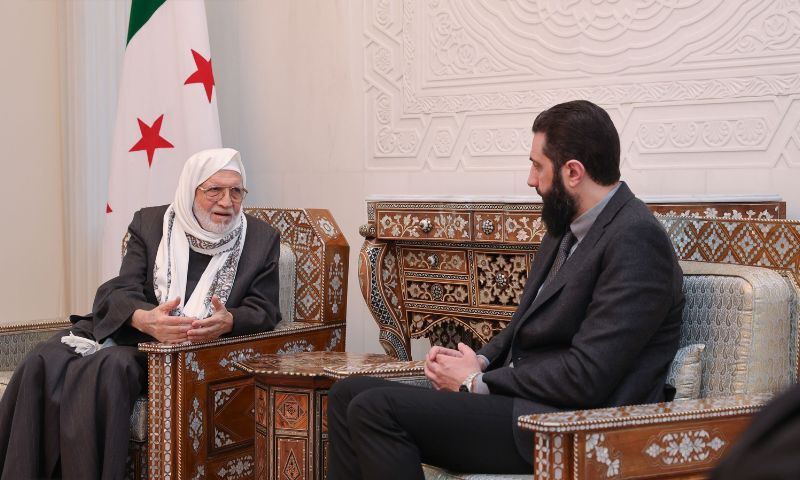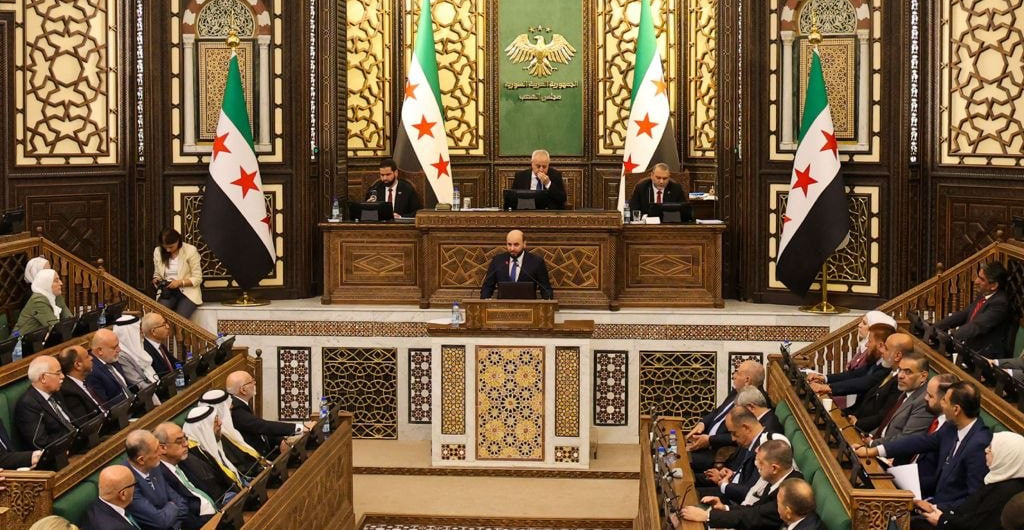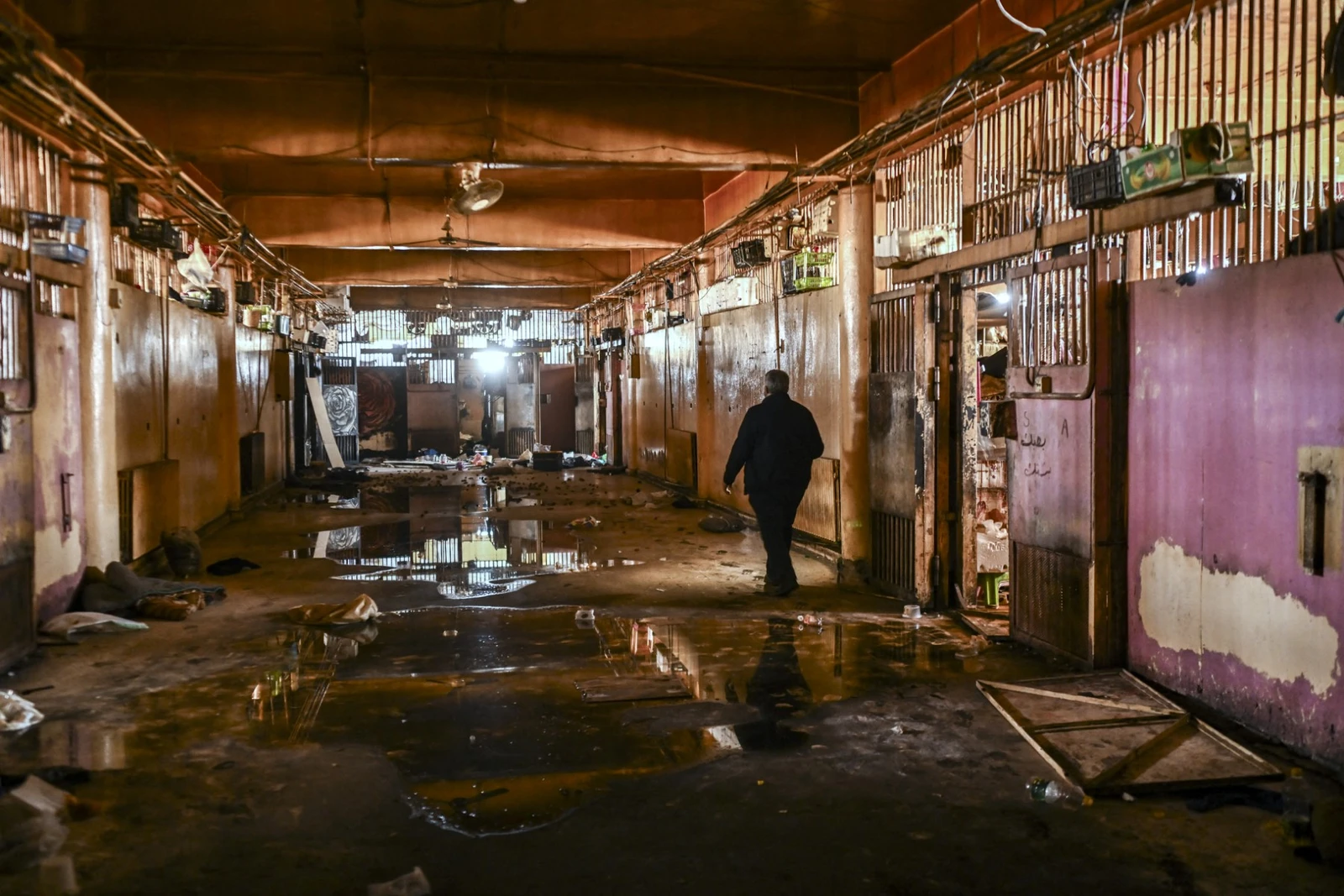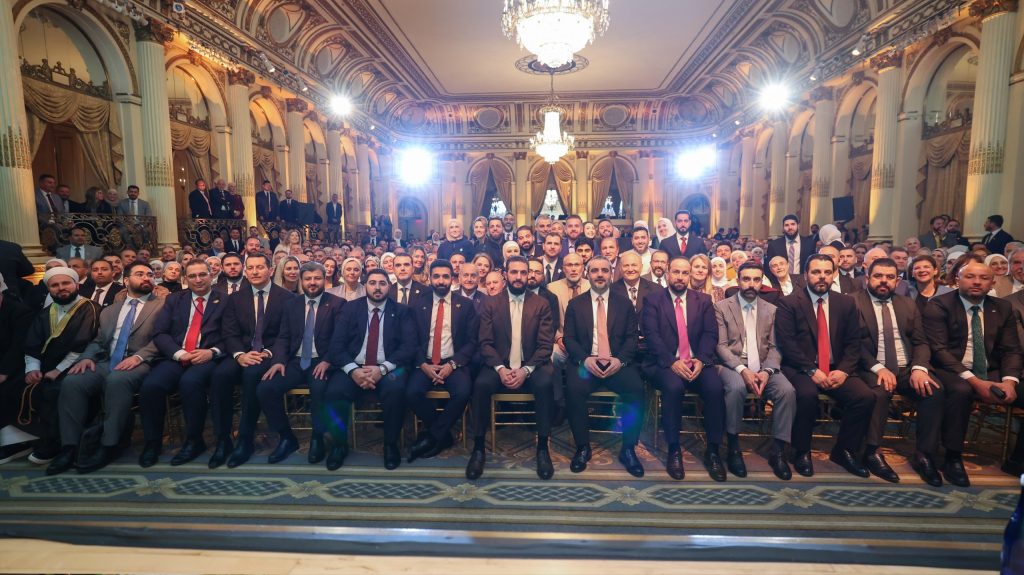
President Ahmad Al-Sharaa met with roughly 650 members of the Syrian diaspora in New York, holding an extensive dialogue on domestic and foreign policy that touched on education, investment, fuel supplies, transitional justice, and relations with the United States, Russia, and Lebanon. He also addressed ongoing efforts to pursue individuals linked to the former regime.
Sharaa arrived earlier tuesday at United Nations headquarters, where he was received by Secretary-General António Guterres.
The gathering brought together Minister of Foreign Affairs and Expatriates Assaad Al-Shibani, Minister of Emergency and Disaster Management Raed Al-Saleh, members of the accompanying delegation, and a broad cross-section of the Syrian community, including Christian clergy, bishops, and expatriates. The meeting opened with welcoming remarks from Dr. Ismail Basha of Michigan.
Speaking after a fifteen-hour journey from Syria, President Sharaa reviewed the profound changes the country has witnessed since his last meeting with the diaspora. He noted that while last year’s discussions focused on lifting sanctions and completing the integration of the Syrian Democratic Forces (SDF), this year’s gathering comes after both objectives have been achieved.
Turning to education, Sharaa announced the launch of a pioneering AI- and app-based pilot program for tenth-grade students. The initiative will begin with approximately 500 students this year and is expected to expand to around 5,000 next year. He also addressed the psychological toll of years of conflict, listening to an intervention from a Syrian Christian woman from rural Hama whose father was abducted in 2013. She appealed for assistance in locating his remains.
On the question of assets belonging to individuals who profited from the former regime, Sharaa said the state has seized more than 80 percent of businessman Mohammad Hamsho’s properties and transferred them to the sovereign wealth fund. Additional measures are underway targeting other beneficiaries of the previous administration. He stressed that state decisions cannot be dictated by public sentiment or immediate reaction, but must be rooted in a long-term strategy that protects Syria’s national interests.
Foreign Relations: Russia, Lebanon, and the United States
Discussing relations with Russia, Sharaa said Syria has no interest in antagonizing a major global power, though this does not mean overlooking Russia’s past actions against the Syrian people.
Regarding Lebanon, he noted that Beirut seeks a swift and comprehensive resolution to outstanding bilateral issues—some dating back to 1946. Current dialogue focuses primarily on border demarcation and the file of Syrian prisoners in Lebanon.
On the fuel crisis, Sharaa acknowledged ongoing difficulties, attributing a significant portion of the problem to global energy disruptions and regional tensions linked to the Iranian-American conflict.
Addressing relations with the United States, he highlighted the challenges posed by shifting American administrations and the possibility of political change over the next two years, underscoring the need for Syria to adapt to evolving circumstances.
Transitional Justice and Accountability
Foreign Minister Assaad Al-Shibani said extensive work has been undertaken to compile a detailed list of former regime officials residing in Europe and several Arab countries. He announced that official steps and legal memoranda related to the matter will be made public soon.
Investment and Economic Recovery
On the economic front, Sharaa emphasized the centrality of post-sanctions investment to restarting the production cycle. He pointed to ongoing efforts to reactivate thousands of industrial production lines, highlighting the Sheikh Najjar Industrial City in Aleppo and current projects aimed at restoring its full operational capacity.
Regarding the potential appointment of an official spokesperson for the presidency, Sharaa said the matter remains under study, citing the sensitivity of the role and the precision required in official communication.
In a related development, Minister Al-Shibani noted that two technical issues continue to delay the opening of the Syrian embassy in Canada, though he expects it to be operational before year’s end.
The gathering concluded with a performance by Syrian artist Yahya Hawa, who sang “Yasmine al-Sham” with members of the audience.
This article was translated and edited by The Syrian Observer. The Syrian Observer has not verified the content of this story. Responsibility for the information and views set out in this article lies entirely with the author.