In Tajikistan, the reconstruction of the Plant Genetic Bank at the Laboratory of Plant Genetics and Breeding of the Institute of Plant Biology and Physiology of the National Academy of Sciences of Tajikistan will be completed by the Day of State Independence.
After the upgrade, the storage facility will be able to preserve more than a thousand genetic samples of agricultural, medicinal, ornamental, and other crops at temperatures ranging from 0 to –30 degrees Celsius.
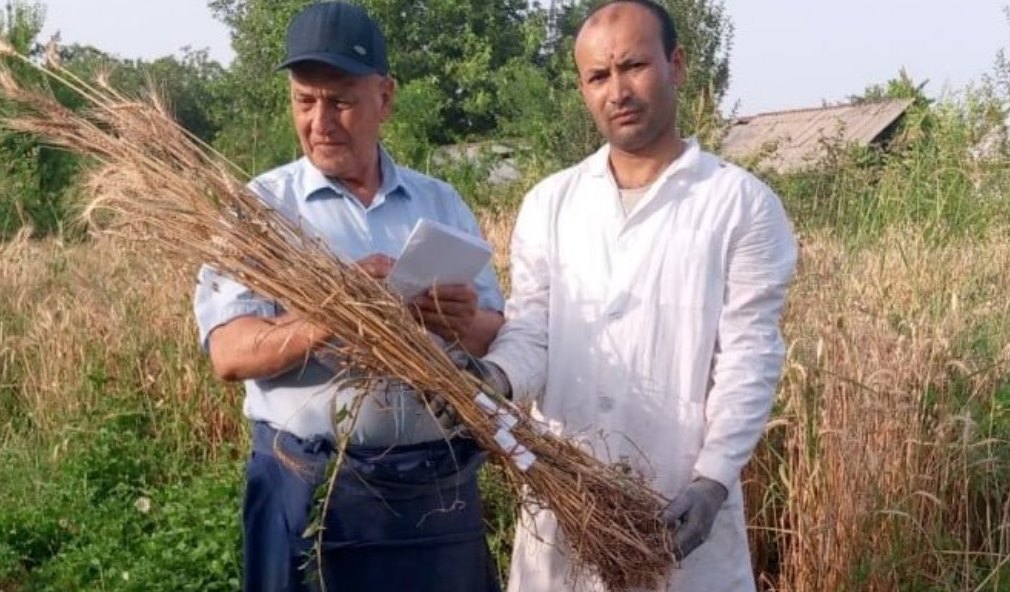
The collected material will be used in future genetic research and breeding programs, the head of the laboratory of plant genetics and breeding at IPBP NAS of Tajikistan, Doctor of Agricultural Sciences, Professor Kurbonali Partoev, told Asia-Plus.
According to him, over the years of independence, the institute’s scientists have obtained a number of new varieties and genotypes of agricultural crops using methods of introduction, hybridization, and mutagenesis.
Among the most significant results is the creation of new potato varieties “Tajikistan,” “Academy of Sciences-1,” “Dusti,” “Rasht,” “Fayzobod,” “Surkhob,” “Nilufar,” “Fayzi Istiqlol,” and “Mastchokh.” These developments are used in the country’s agriculture and are aimed at increasing crop yield and product quality.
The institute’s scientists also created new promising wheat samples, including the variety “Tobistona,” a wheat-triticale hybrid, as well as new genotypes resistant to diseases and unfavorable growing conditions.
As a result of breeding work, new corn hybrids, a cotton variety, new mutant forms of wheat and barley, a tomato genotype, an oat variety “Nazar,” and new forms of beans and sorghum were obtained.
Additionally, institute specialists developed the Jerusalem artichoke variety “Sarvat” and new sunflower genotypes, which can be used in the further development of the agricultural sector.
An important direction of the scientists’ work has been the creation of interspecific hybrids of aegilops—a wild relative of wheat—with cultivated varieties. These studies make it possible to use valuable genetic traits for developing new varieties of grain crops.
The institute has also formed unique plant collections. Among them are more than 100 genotypes of Arabidopsis, used in genetic research, a collection of citrus crops comprising more than 20 valuable samples, as well as a herbarium fund containing over 200,000 plant samples.
Scientists continue their work on studying the DNA of agricultural crops and their genetic certification. The creation of a modern Plant Genetic Bank will make it possible to preserve the obtained samples and use them for developing new varieties adapted to the conditions of Tajikistan.