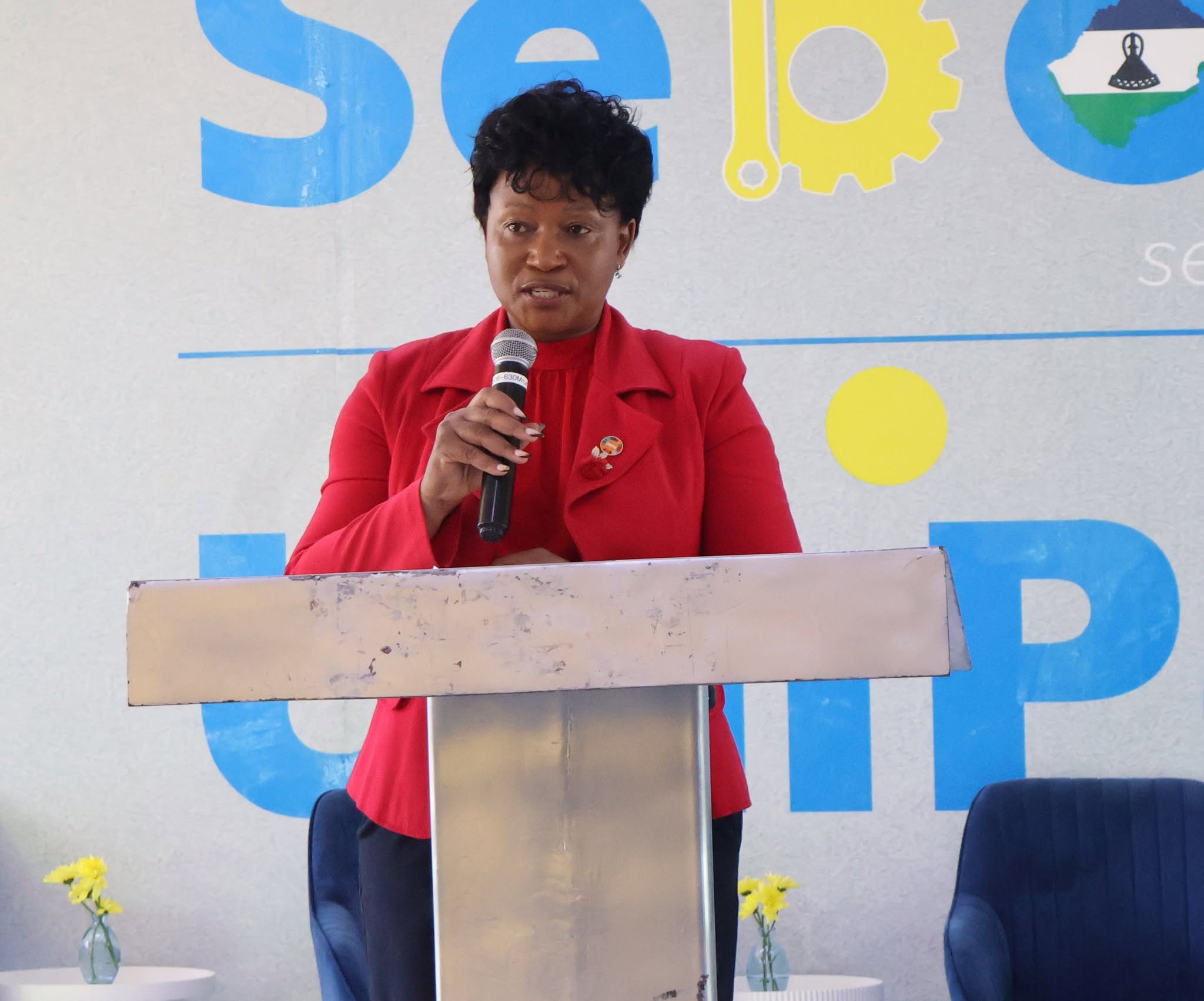
Qacha’s Nek, Aug. 24 — The Lesotho Tourism Development Corporation (LTDC) will tomorrow take its tourism sensitisation programme to Qacha’s Nek, with stakeholders expected to discuss ways of improving service standards, compliance, tourism data reporting and community participation in the sector.
The workshop, to be held at Thimo and Sons, forms part of LTDC’s ongoing engagement with tourism stakeholders across the country.
Speaking to the Agency on Monday, LTDC Public Relations Manager, Mr. Molapo Matela, said the workshops are intended to bring tourism stakeholders together and share information that can help them make informed business decisions and improve the way they operate. “We want stakeholders to have a better understanding of the current tourism statistics and research findings, so that they can use reliable information when planning their businesses, developing tourism products and making investment decisions,” he said.
The workshop will cover tourism statistics, the tourism levy, customer service and crisis management, as well as the tourism quality star-grading system.
Mr. Matela said understanding tourism statistics is important because reliable data enables businesses and other stakeholders to assess the performance of the sector and make informed decisions on planning, marketing, investment and product development.
He said the tourism levy will also be discussed, including its governance, benefits and contribution to tourism development, marketing and capacity building. “We want stakeholders to understand why the levy is collected, how it is governed and how it contributes to tourism marketing, development and capacity building,” he said.
Mr. Matela said customer service and crisis management are equally important because the way visitors are treated, particularly when problems arise, can influence their confidence in Lesotho as a tourism destination.
The workshop will also create awareness about the quality assurance and star-grading system, with LTDC encouraging tourism establishments to understand the benefits of grading and work towards improving their standards and the overall visitor experience.
According to Mr. Matela, the initiative comes against a backdrop of tourism’s contribution to employment and business activity in the country. He said accommodation revenue reached M805.1 million in 2025, while the sector supported 3,108 jobs.
“This demonstrates why it is important for all stakeholders to work together to strengthen the sector,” he said.
However, Mr. Matela identified several challenges affecting the tourism industry, including compliance, tourism data reporting, training and accreditation, management of attractions and coordination when incidents involving tourists occur.
He said some tourism businesses, particularly some event organisers and tour operators, remain reluctant to pay the tourism levy. “LTDC continues to engage stakeholders to create a better understanding of the purpose of the levy, how it is governed and how it contributes to the development and marketing of the tourism sector,” he said.
Another challenge, he said, is the management of some tourism attractions. Although Lesotho has numerous natural and cultural attractions, he said some sites are not properly managed or manned, meaning visitors may access them without contributing to the local economy through entrance fees.
“There is therefore a need to strengthen the management of these sites so that communities and the tourism sector can benefit more directly from the resources we have,” he said.
Mr. Matela also said there are gaps in training and accreditation, particularly among tour operators, tour guides, event organisers and hiking clubs.
He said LTDC is working towards rolling out an accreditation programme to address these gaps, improve professionalism and enhance the quality of services provided to visitors.
The corporation is also looking at strengthening coordination and reporting when incidents involving tourists occur.
Mr. Matela said LTDC is considering the establishment of district-level Crisis Communication Committees involving LTDC, Disaster Management, the Lesotho Mounted Police Service, local government and the District Administrator’s office.
He said the committees would help ensure that incidents are reported, verified and managed in a coordinated manner, while protecting visitor confidence and Lesotho’s reputation as a tourism destination.
“When a crisis occurs, stakeholders also have a responsibility to report serious incidents, provide verified information and coordinate with LTDC and the relevant authorities,” he said.
The submission of accommodation statistics is another challenge, according to Mr. Matela.
He said some businesses do not submit their statistics on time, while others do not submit them at all, making it difficult to obtain accurate and up-to-date information for planning, decision-making and measuring the performance of the tourism sector.
Beyond the workshops, LTDC plans to continue engaging stakeholders through technical guidance, tourism information and market intelligence, quality assurance initiatives and opportunities to market tourism products at exhibitions and trade shows.
The corporation also wants communities to participate more directly in the tourism value chain. Mr. Matela said communities can develop tourism-related businesses such as pony trekking, rural homestays, traditional cuisine, cultural performances and handicrafts.
“The idea is to ensure that tourism does not only benefit established businesses, but also creates opportunities for communities, small businesses and emerging entrepreneurs,” he said.
He said increased visitor spending on accommodation, guiding, food, crafts and other local services can create income and employment opportunities within communities.
The tourism levy can also contribute to tourism development initiatives, including the erection of signage at tourism attractions, which Mr. Matela said could make sites easier for visitors to find and access.
He said LTDC will continue creating awareness about the star-grading system and providing technical guidance to establishments on customer service, quality standards, tourism information and responsible communication.
Mr. Matela stressed that the dissemination workshops are not intended to be one-off engagements.
“The workshop should not be the end of the conversation. It is meant to encourage stakeholders and communities to take the information shared and turn it into practical action,” he said.
He said LTDC hopes the engagements will result in improved compliance and reporting, better service quality, stronger collaboration among stakeholders and a better understanding of the tourism levy.
“Ultimately, it is about working together. LTDC promotes the destination, businesses deliver the experience, and visitors become ambassadors for Lesotho,” Mr. Matela said.
The challenge will be to turn the information shared through the workshops into action, ensuring that improved services and stronger participation in tourism translate into greater economic opportunities for businesses and communities across Lesotho.
Ends/MAPM