Civil society organizations in Tajikistan have prepared alternative reports for the fourth cycle of the UN Universal Periodic Review (UPR). One of them examines the situation of vulnerable groups, including women, children, older people and the homeless, as well as the impact of climate change.
Women and children
The report says women and children continue to face violence despite measures taken by the government. Domestic violence is not criminalized as a separate offence, there is no comprehensive definition of gender-based violence, and support for victims remains limited.
Survivors of rape, including underage girls, may also avoid reporting abuse because of stigma and social pressure.
The authors note that Tajikistan has only one state-run shelter for victims of gender-based violence and human trafficking, while long-term housing and other support services remain insufficient. They recommend criminalizing domestic violence, ensuring free rehabilitation and compensation for victims and improving data collection
Minors and the justice system
The report also points to shortcomings in Tajikistan’s juvenile justice system.
According to the authors, specialized juvenile courts have not been established, while the number of judges and law enforcement officers trained to handle cases involving minors remains limited.
Alternatives to imprisonment are also underdeveloped, and the country has no probation service for minors.
There is also no separate detention facility for underage girls. They are held alongside adult women in the country’s only women’s prison in Nurek, raising concerns over education, healthcare, hygiene and privacy.
The authors recommend fully separating minors from adult prisoners and guaranteeing free legal assistance to all children in conflict with the law.
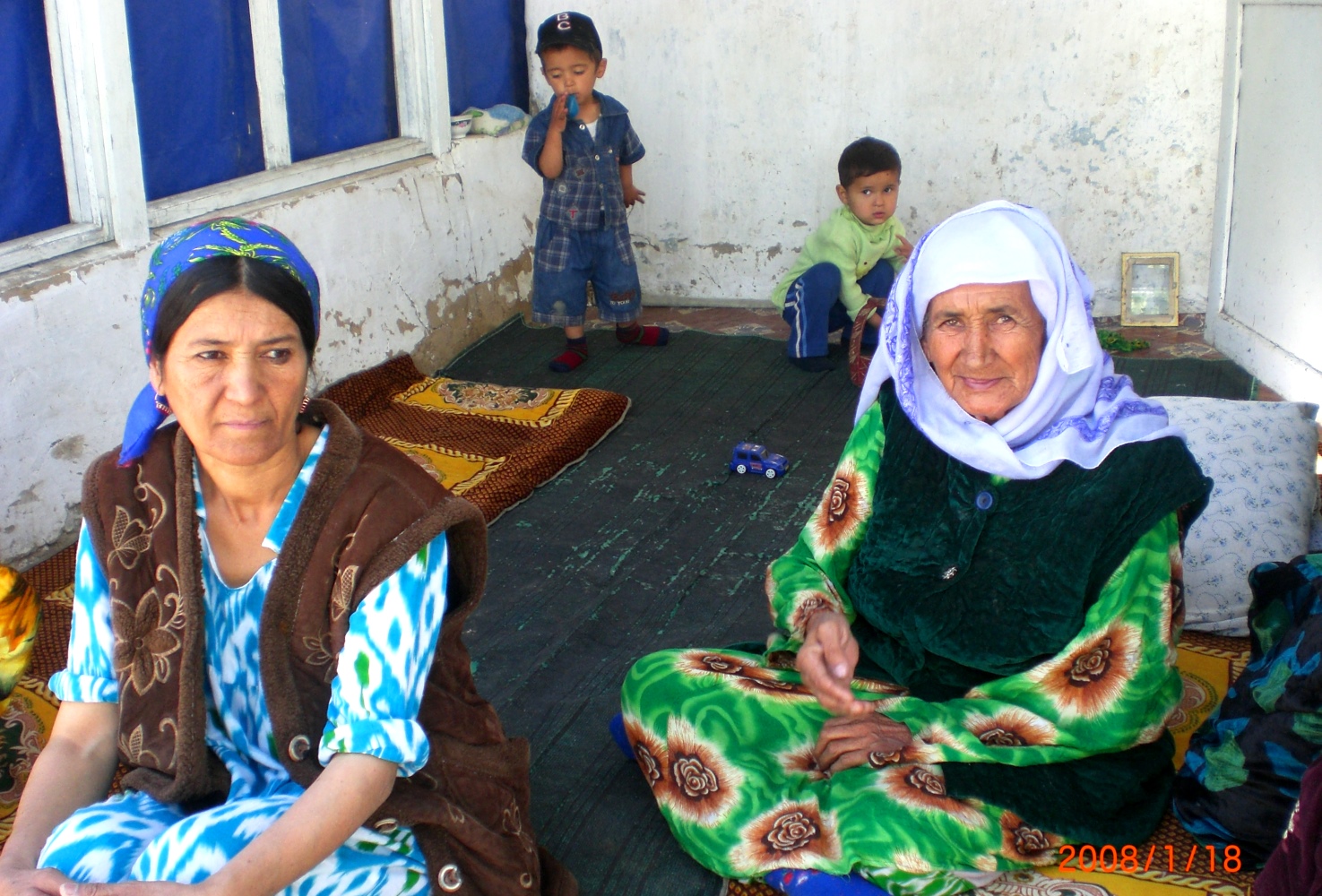
Older people face growing challenges
The report notes that Tajikistan’s population is aging. People aged over 60 are expected to account for more than 11.5% of the population by 2030 and about 14% by 2050.
A 2023 study by the NGO Salomati found that more than a quarter of pensioners surveyed experienced loneliness and lacked physical or psychological support, while more than 90% reported difficulties accessing medicines.
Many older people also struggle to cover basic expenses.
“In order to improve pension provision, pensioners seek to immigrate to other countries. The study demonstrated the absence of geriatricians and geriatric centers,” the report says.
The authors recommend adopting a national program on aging and social support, improving access to information about rights and benefits, and addressing discrimination against older people.
Homeless people largely invisible to the system
The rights of homeless people receive little public attention in Tajikistan, the report says.
There is no legal definition of a “homeless person” and no comprehensive statistics on the scale of homelessness. Without identification documents, people may face difficulties registering marriages or births, receiving healthcare and education, finding formal employment or obtaining pensions.
At the same time, living without a passport or official registration can lead to administrative penalties, further complicating the situation.
Monitoring cited in the report estimated that around 500 homeless people were living in Sughd province in 2021. They included former orphanage residents, ex-prisoners, deportees, migrants, members of some ethnic minorities and minors.
Homeless women face additional risks, including sexual violence and harassment, health problems and limited employment opportunities.
“Medical facility staff may show disgust or refuse to provide medical services and assistance to homeless women,” the authors say.
The report recommends improving data collection and developing affordable housing programs.
Climate change hits vulnerable groups hardest
Women, children and people with disabilities are among those most vulnerable to the effects of climate change, according to the report.
While Tajikistan has developed legislation and mechanisms for cooperation on environmental and climate issues, the participation of vulnerable groups in decision-making remains limited.
“The analysis revealed a number of serious obstacles: weak capacity of rural women, limited access to information and digital resources, infrastructure inaccessibility for people with disabilities, high staff turnover in government bodies, and the predominance of a reactive approach instead of proactive planning,” the report says.
Environmental organizations and Aarhus Centers also face shortages of funding and institutional support, while organizations representing women and people with disabilities are often invited to consultations but have limited influence over final decisions.
The authors recommend expanding both digital and offline channels for public participation, improving accessibility, introducing targeted support programs and creating advisory councils involving women, young people and people with disabilities.
Systemic gaps remain
The report concludes that shortages of funding and information, together with gaps in legislation and support mechanisms, continue to leave vulnerable groups at greater risk.
While some progress has been made, the authors say further systemic reforms are needed to ensure that social protection and public services reach those who need them most.
The “Vulnerable Groups” report was prepared under two projects supported by the European Union and the Government of Switzerland. Both are implemented by the NGO Bureau for Human Rights and the Rule of Law.