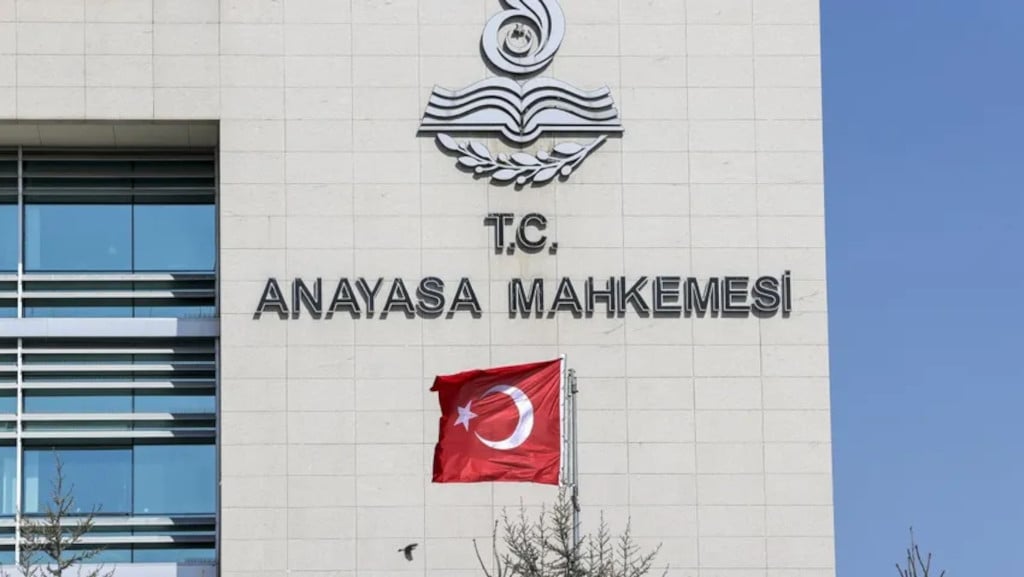
A Turkish parliamentary committee on Friday approved a 12-article bill that would suspend some criminal investigations and court proceedings for five to 10 years and create oversight bodies for the government’s effort to end the conflict with the outlawed Kurdistan Workers’ Party (PKK).
The measure is the first legislation introduced under the initiative that President Recep Tayyip Erdoğan’s government calls “Terrorism-free Turkey.” It cleared parliament’s Justice Committee after a meeting marked by disputes over whether the bill amounts to an amnesty and the role of imprisoned PKK leader Abdullah Öcalan, BBC’s Turkish service reported.
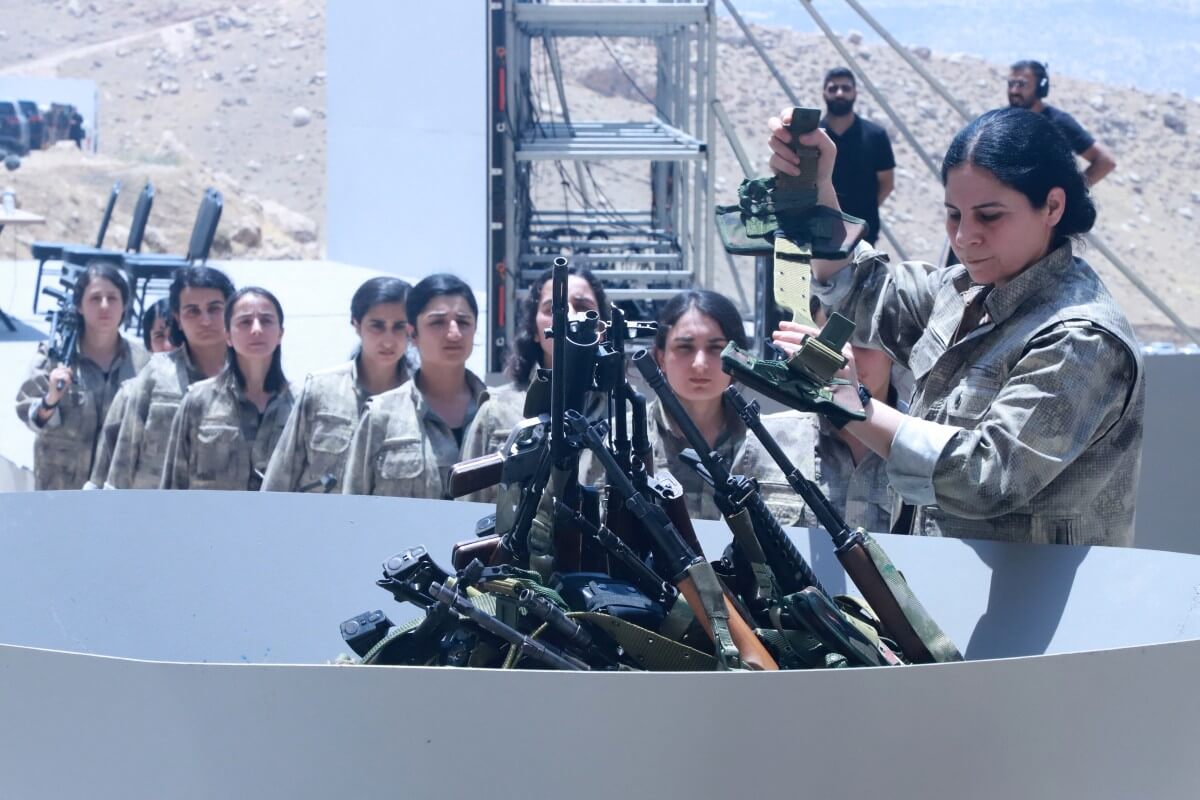
The PKK has waged an armed campaign against the Turkish state since 1984 and is designated as a terrorist organization by Turkey and its Western allies. The latest peace initiative follows steps by the group to end its armed campaign.
Formally titled the “Bill on Strengthening National Solidarity and Social Integration,” the legislation would postpone investigations and prosecutions for certain offenses. It would also establish a parliamentary monitoring commission and a separate board chaired by Turkey’s vice president.
The bill must still be debated and approved by the full parliament before it can become law.
The proposal carries the signatures of 367 lawmakers from the ruling alliance and several opposition parties. Supporters include lawmakers from Erdoğan’s ruling Justice and Development Party (AKP), its ally the Nationalist Movement Party (MHP), the pro-Kurdish Peoples’ Equality and Democracy Party (DEM Party) and the Republican People’s Party (CHP).
AKP and MHP lawmakers described the bill as the product of a political consensus and rejected claims that it constituted an amnesty.
Committee Chair Cüneyt Yüksel said the legislation would neither overturn convictions nor change the legal classification of offenses or eliminate criminal responsibility.
Abdulhamit Gül, an AKP parliamentary group deputy chair and one of the bill’s sponsors, pointed to the 367 signatures from the 600-seat parliament as evidence of what he called a “historic consensus.”
Some opposition lawmakers challenged that interpretation. The New Path parliamentary group described the measure as a conditional general amnesty, while the İYİ (Good) Party, which opposes the peace initiative, argued that the bill was unconstitutional and should first be reviewed by parliament’s Constitutional Committee.
Dispute over Öcalan’s role
Tensions rose during the committee meeting when lawmakers argued over references to Öcalan, the imprisoned founder of the PKK who is serving a life sentence on İmralı Island near İstanbul.
Good Party parliamentary group deputy chair Uğur Poyraz accused Yüksel of thanking institutions and political figures involved in the peace initiative while failing to mention Öcalan. Poyraz made the remark sarcastically, prompting objections from government lawmakers.
A second confrontation occurred during a speech by Gülistan Kılıç Koçyiğit, a DEM Party parliamentary group deputy chair.
Koçyiğit described the initiative as a turning point for relations between Turks and Kurds and compared it with events that led to the establishment of the modern Turkish Republic.
She thanked Erdoğan, MHP leader Devlet Bahçeli and Öcalan for helping launch the process. Good Party lawmakers objected to mentioning Turkey’s president and the imprisoned PKK leader in the same sentence and accused Koçyiğit of glorifying terrorism.
Opposition calls for democratic reforms
The main opposition New Party said it would support measures needed to end armed violence but criticized the bill for failing to address Turkey’s democracy and rule of law problems.
The New Party was formed in July by Özgür Özel and lawmakers who left the CHP after a court ruling removed the party’s elected leadership. It is now the largest opposition bloc in parliament.
New Party parliamentary group deputy chair Murat Emir said an earlier parliamentary report had called for democratic reforms to accompany efforts to resolve the Kurdish issue.
“The Kurdish issue cannot be solved without democratization,” Emir said.
Emir argued that the bill treated security as the first priority and postponed reforms on rights, justice and democracy. He said the party would back “reasonable and proportionate” legal measures intended to end the violence but could not support separating the peace process from democratic reform.