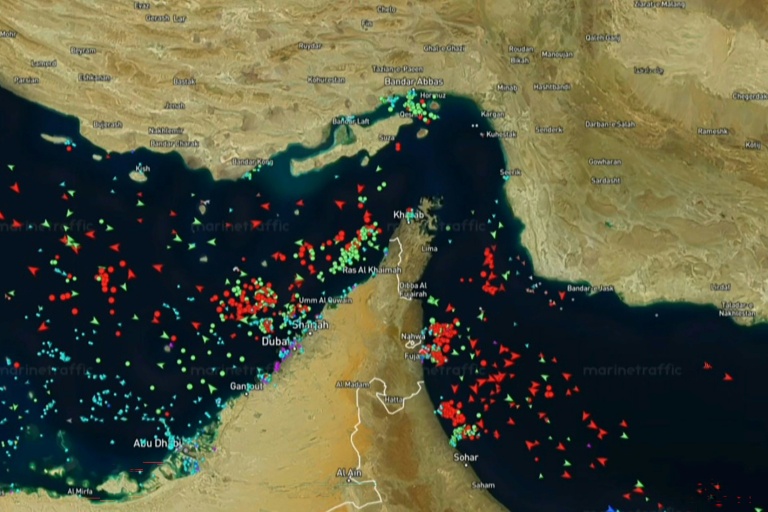
Baghdad (IraqiNews.com) – Iraq has asked Iran to guarantee the safe passage of Iraqi oil tankers through the Strait of Hormuz, as ongoing maritime disruptions threaten the country’s oil exports and place growing pressure on government finances. The request was reportedly made by Prime Minister Ali Al-Zaidi during his visit to Tehran on July 23, according to sources cited by the U.S.-funded outlet Alhurra.
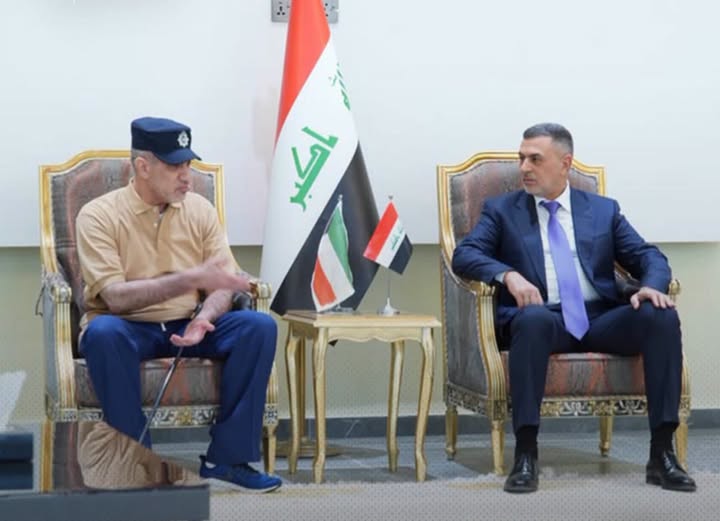
The visit marked Al-Zaidi’s first trip to Iran since taking office in May and came just days after his official visit to Washington, highlighting Baghdad’s efforts to balance relations with both regional and international partners amid escalating tensions in the Gulf.
According to the report, Al-Zaidi asked Iranian officials to ensure the safe passage of tankers transporting Iraqi crude through the Strait of Hormuz, one of the world’s most strategically important shipping lanes. However, the sources said Tehran did not provide a clear answer, leaving the request without either formal approval or rejection.
Furthermore, the report suggested that Iran may be reluctant to respond positively because of Baghdad’s recent strengthening of ties with the United States. That includes the signing of several major agreements with American companies during Al-Zaidi’s visit to Washington, a development that could complicate Iraq’s efforts to secure Iranian cooperation on regional security issues.
Al-Zaidi’s visit to Tehran came only days after his July 13–18 trip to the United States, where he met President Donald Trump and announced a new strategic partnership between Baghdad and Washington. The U.S. visit was the prime minister’s first major international tour since assuming office and focused on expanding economic and security cooperation.
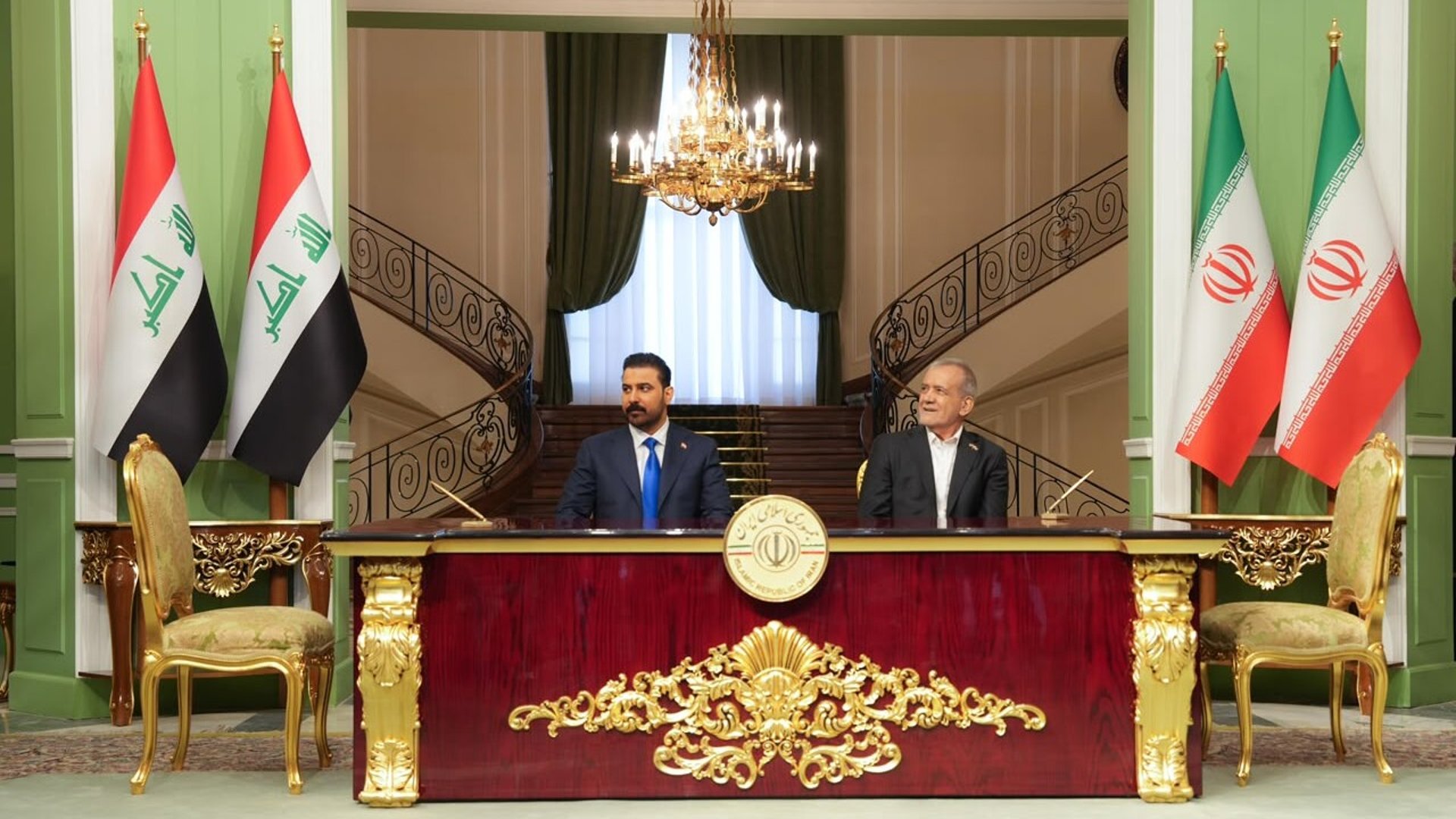
During the Tehran visit, Al-Zaidi met Iranian President Masoud Pezeshkian, and both sides signed several agreements and memorandums of understanding. At the same time, Iranian Foreign Minister Abbas Araghchi delivered what many observers viewed as a carefully worded political message, stating that Iran “does not need messages or intermediaries because circumstances are changing rapidly.”
Meanwhile, the Iraqi government rejected reports published by The New York Times claiming that Al-Zaidi had carried a U.S. proposal for a ceasefire to Tehran. Officials insisted that the visit was instead aimed at strengthening bilateral relations and protecting Iraq’s national interests amid growing regional instability.
The request to Iran reflects the growing importance of the Strait of Hormuz to Iraq’s economic stability. More than 90% of Iraq’s government revenue comes from oil exports, and the majority of those shipments pass through the narrow waterway before reaching international markets.
Before the latest maritime crisis, Iraq exported roughly 90 million barrels of crude oil each month through the Strait of Hormuz. However, shipping activity has declined sharply as security risks intensified. According to vessel tracking data cited in the report, only one oil tanker crossed the strait on July 23, compared with three the previous day, marking one of the lowest daily figures in months.
The report also noted that Iran has continued targeting commercial vessels with missiles, drones, and unmanned boats despite a memorandum of understanding signed with the United States in June. As a result, Washington has increased military pressure in an effort to safeguard international shipping routes.
The slowdown in exports is already creating wider economic concerns for Iraq. Reduced oil revenues could affect the government’s ability to finance public-sector salaries, maintain budget spending, and support essential public services, particularly if disruptions continue over an extended period.
In addition, the uncertainty has contributed to fluctuations in the Iraqi dinar against the U.S. dollar, while Iraq’s electricity sector remains under significant pressure during the summer months. Continued dependence on imported Iranian natural gas has also increased concerns over possible power shortages, especially as electricity demand remains high.
According to the report, many Iraqis have once again begun relying on family and tribal support networks to cope with worsening economic conditions. While those informal systems have helped communities navigate previous crises, analysts warn they may not be sustainable if the current situation persists.
Consequently, prolonged pressure on household incomes, combined with rising economic uncertainty, could increase public frustration and revive the kind of demonstrations Iraq witnessed during previous waves of economic and political unrest. For now, Baghdad continues to pursue diplomatic efforts aimed at protecting its energy exports while seeking to shield the country from the wider consequences of regional conflict.