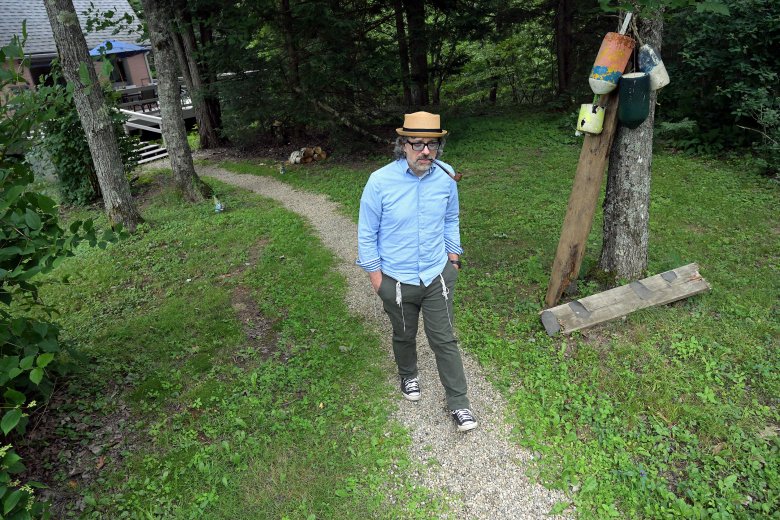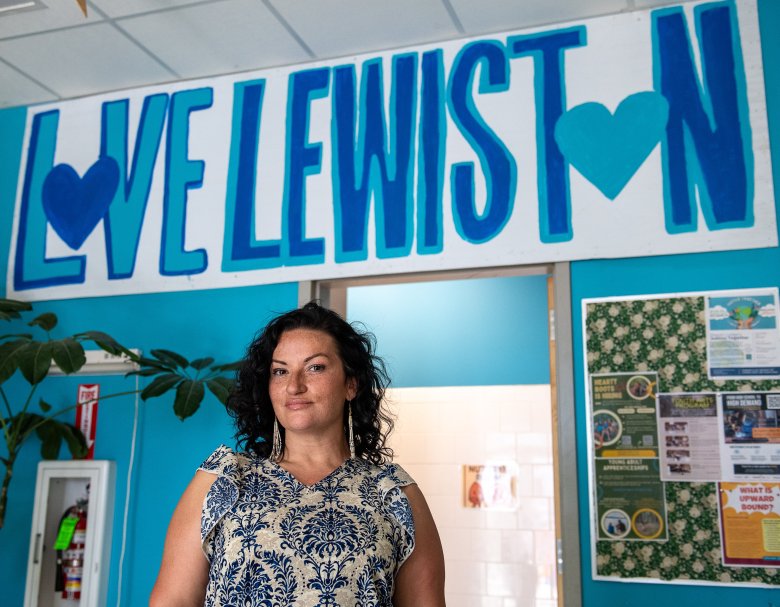
Carol Marquis is executive director of Big Brothers Big Sisters of Bath/Brunswick.
When the Lewiston City Council met on June 30, everyone in the room shared the same goal: finding ways to address the spike in gun violence among youth. In 2026, there were 12 shootings involving juveniles. The department arrested 21 juveniles in May and June on weapons and violence charges.
Attendees at the meeting included Chief of Police Carly Conley, Lewiston School Superintendent Jake Langlais, New Beginnings Executive Director Chris Bicknell and Christine Thibeault from the Department of Corrections.
At one point, a councilor wondered whether the community could “partner up with Bates College to invest a little bit in the community with the school system…” It was an excellent suggestion. But it has also been happening for more than 20 years through the college’s Harward Center for Community Partnership.
Through a longstanding partnership with Big Brothers Big Sisters (BBBS), Bates students have served as mentors to students at Connors Elementary School and several other local schools. Week after week and year after year, these students build relationships with children who benefit from having a caring, dependable adult in their lives. This exemplary model demonstrates how mentoring can support young people facing significant challenges.
We would like, here, to recognize the Bates undergrads for the important volunteer work they do for our community — work that goes largely unrecognized, except, of course, by their “Littles,” for whom their “Bigs” are often the one bright spot in their week, and by their teachers and families who also benefit.
But we should also underscore how key mentoring is to address the problems identified in Lewiston. At the June 30 meeting, Chief of Police Conley said it plainly: “We need effective and sufficiently-funded youth intervention services to exist and be available as resources for the juvenile criminal justice system.”
At BBBS, we know that children are struggling with the pernicious consequences of poverty, social and emotional dysregulation, neurodiversity and other challenges common to our community.
As Christine Thibeault from the DOC pointed out: “There are programs that tell us what works: We want to prioritize what works for those high-risk kids. You’ve heard it from others before me: Mentoring. That is a big one.”
Decades of research show that young people with caring mentors are more likely to stay in school, avoid risky behaviors, improve academically and build healthier relationships. A mentor can become a steady presence that helps alter the course of a life.
Solutions already exist. But as Chris Bicknell of New Beginnings pointed out unequivocally, this problem will not be solved without money.
Communities cannot continue relying on nonprofits to solve increasingly complex problems with limited resources. Prevention requires sustained investment. And it is a rinse-and-repeat proposition, not one-and-done.
The encouraging news is that investing in prevention is not only the right thing to do, but also the fiscally responsible choice. BBBS mentoring programs result in an estimated $7,000 in additional tax revenue for the government per individual mentored.
The cost of expanding mentoring and youth development programs is dwarfed by the financial and human costs incurred once a young person enters the criminal justice system.
Every child successfully redirected represents a better outcome not only for that young person but for all of us. Too often, however, successful prevention goes unnoticed because it looks like something that never happened: the gun that wasn’t stolen, the fight that never occurred, the arrest that never took place.
Lewiston has no shortage of dedicated people or effective organizations. It has mentors who show up every week. It has nonprofits building trust with young people. It has schools, colleges, law enforcement and community leaders who all recognize that relationships matter.
The challenge before us is not finding the next great idea. It is committing to the proven strategies already in place. If we are serious about reducing youth violence, we must be equally serious about investing in prevention.