For renovators keen on elevating their home improvement projects, concrete tiles offer a unique blend of durability and aesthetic appeal. Their versatility makes them ideal for various interior design applications, from kitchen floors to bathroom walls. However, successful installation requires meticulous planning and execution. This article provides a detailed checklist to guide you through the Concrete Tile Installation process, ensuring that your renovation project achieves both function and style.
Essential Tools for Concrete Tile Installation
Before embarking on a Concrete Tile Installation project, assembling the right tools is crucial. A notched trowel, used for spreading adhesive evenly, is essential for ensuring that tiles adhere properly to the substrate. Additionally, a tile cutter or wet saw will be necessary for precision cutting, particularly when dealing with complex patterns or fitting tiles into tight spaces. Using CAD Software can aid in planning the layout by providing a digital blueprint, allowing renovators to visualize the design intent before the physical work begins.
Another indispensable tool is the grout float, which helps in applying grout between tiles for a seamless finish. In the context of interior design, having a well-prepared mood board can also serve as a guide, ensuring the tile colors and patterns align with the overall aesthetic. These tools, combined with a solid plan, lay the groundwork for a successful installation.
Preparing the Surface for Tile Application
Proper surface preparation is a critical step in the Concrete Tile Installation process. Begin with a thorough site analysis to identify any structural issues that could affect tile adherence. The surface must be clean, dry, and level to prevent future problems such as cracking or shifting. Zoning Compliance is also essential, as certain areas may require specific treatments or materials depending on local regulations.
Next, apply a suitable primer to enhance the adhesive bond between the tiles and the substrate. This step is particularly important when working with concrete tiles, as their weight and density demand a strong foundation. Furthermore, consider the tactile feedback of the surface, ensuring it’s smooth enough for the tiles to lay flat but rough enough for the adhesive to grip effectively.
Step-by-Step Process for Installing Concrete Tiles
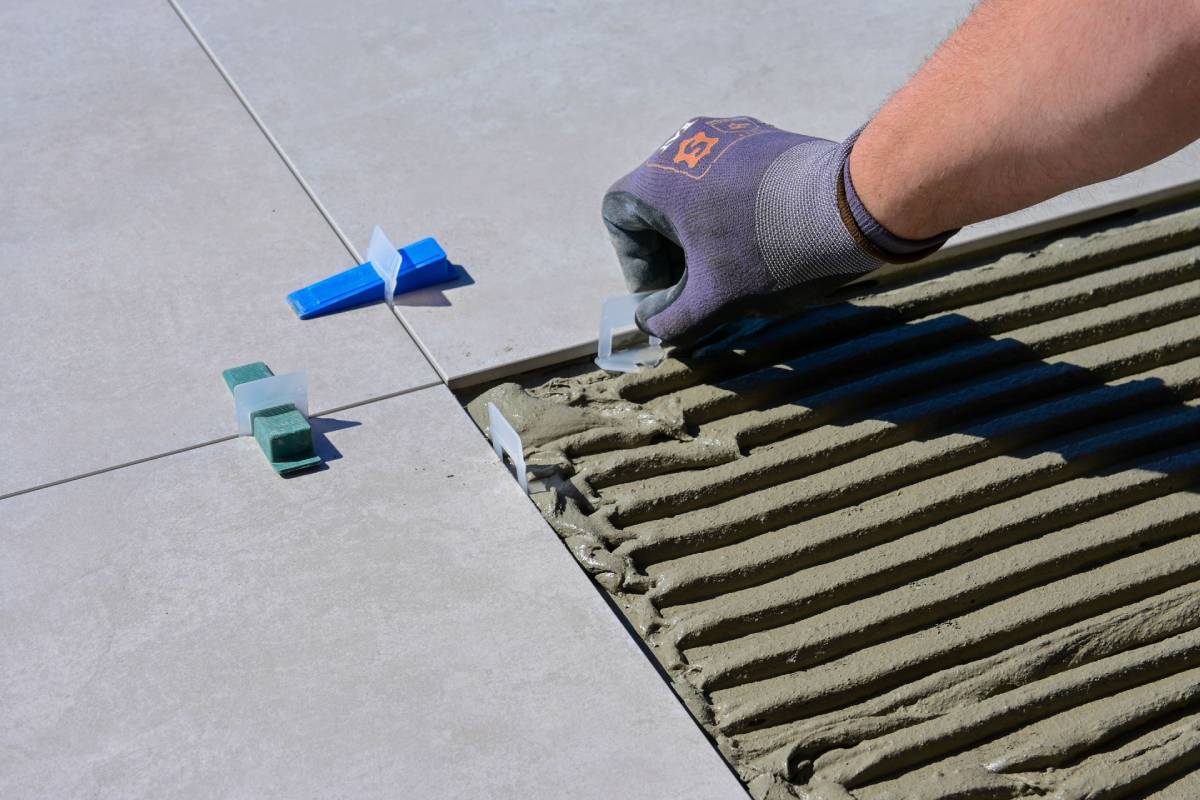
Once the surface is prepared, you can proceed with the Concrete Tile Installation. Start by applying the adhesive with a notched trowel, working in small sections to prevent it from drying out before the tiles are laid. Carefully place each tile, using spacers to maintain consistent grout lines. This precision is crucial for achieving a professional finish and ensuring that grout lines are straight and even.
As you lay the tiles, periodically check your work against the schematic design to ensure alignment with your planned layout. Once all tiles are in place, allow the adhesive to cure as per the manufacturer’s instructions before applying grout. The final step involves sealing the tiles, which is especially important in high-moisture areas like bathrooms, to protect them from stains and damage.
Maintenance Tips for Long-lasting Concrete Tile Floors
Maintaining concrete tiles involves regular cleaning and sealing to preserve their appearance and functionality. Use a pH-neutral cleaner to avoid damaging the tiles or grout. Additionally, periodic re-sealing can help maintain the protective layer and enhance durability, especially in high-traffic areas. Understanding color theory can also aid in maintaining the visual appeal, as you can select complementary cleaning products that enhance rather than dull the tile’s colors.
Consider integrating FF&E (Furniture, Fixtures, and Equipment) that complement the tiles, contributing to the overall ambiance of the space. This approach not only enhances the aesthetic but also supports the longevity of the tiles by minimizing direct wear and tear.
Conclusion
Concrete Tile Installations demand careful planning and execution, but the effort results in a durable, stylish surface that enhances any space. By equipping yourself with the right tools, preparing surfaces properly, and following a detailed installation process, renovators can create stunning, long-lasting tile projects. For those seeking to elevate their home improvement game, concrete tiles offer a solid foundation both literally and aesthetically.