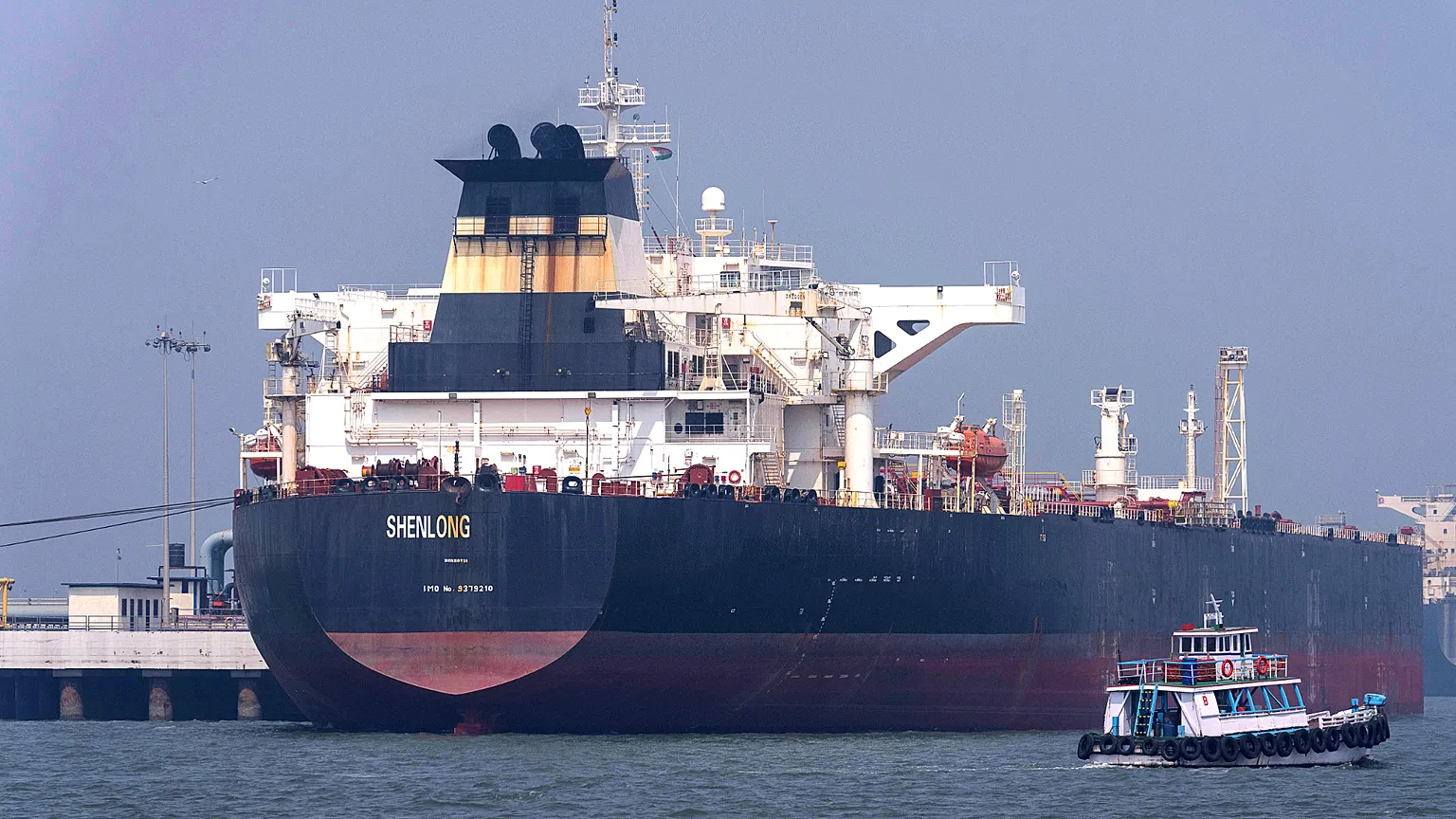
- The latest developments highlight growing pressure on global shipping routes as security risks expand across key maritime corridors in the Gulf and surrounding regions.
Marine insurance costs for vessels crossing the Strait of Hormuz have surged to their highest level of the current conflict, with war risk premiums reaching as much as 10 percent of a ship’s value following a series of attacks on commercial vessels, according to shipping and insurance industry sources.
Sources cited by Reuters’ insurance publication The Insurer said the sharp increase came after recent incidents involving commercial ships in the strategic waterway, where tensions have intensified amid the ongoing confrontation between Iran and the United States.
The Iranian Revolutionary Guard claimed that two oil tankers were damaged and disabled after attempting to cross the strait through what it described as an unsafe route. It later reported another incident involving two vessels in the same area, though it remained unclear whether the incidents were connected.
The UK Maritime Trade Operations (UKMTO) also reported that a vessel was targeted by an unidentified projectile off the coast of Oman near the Strait of Hormuz, further raising concerns over maritime security in one of the world’s most important energy routes.
Insurance industry sources said war risk premiums for Hormuz crossings have climbed to between 8 and 10 percent, with some confirming that charges have reached the 10-percent level, in addition to additional conditions such as no-claim bonuses.
The latest rates represent a significant jump from before the collapse of the temporary ceasefire between Washington and Tehran, when marine war risk insurance for Hormuz transit stood at around 1 to 3 percent of vessel value.
The surge in costs has prompted some insurers to suspend quotations for voyages through the waterway, while certain war risk insurance providers have advised shipping companies to reconsider or delay transits through the Strait of Hormuz due to heightened security risks.
Shipowners are increasingly reluctant to accept the sharply higher premiums, with industry sources warning that prolonged instability could further disrupt global shipping and energy markets.
Meanwhile, insurance costs have also risen in the Red Sea following a declaration by Yemen’s Iran-aligned Houthi group banning maritime navigation to Saudi Arabia. Sources said Red Sea war risk premiums increased from around 0.3 percent to 0.75 percent after the announcement.
The latest developments highlight growing pressure on global shipping routes as security risks expand across key maritime corridors in the Gulf and surrounding regions.