Kohima: A landmark agreement meant to unlock hydrocarbon reserves in a long-disputed border belt is now running into resistance from the very communities it was supposed to benefit.
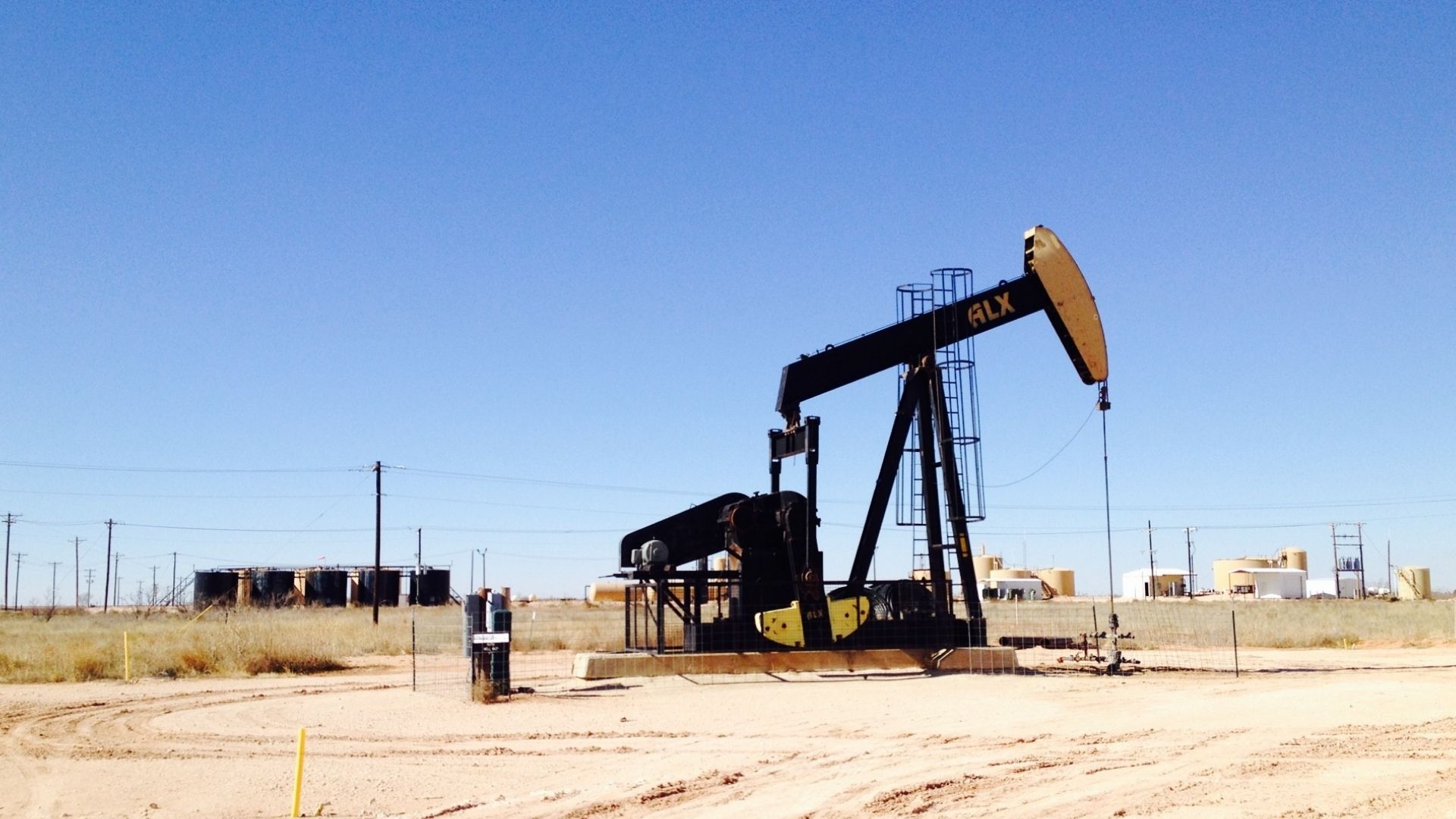
The June 11, 2026 tripartite Memorandum of Understanding between the Government of India, Assam and Nagaland aims to open up oil and gas exploration across more than 1,000 sq km of the Assam-Nagaland Disputed Area Belt. Signed in New Delhi in the presence of Union Home Minister Amit Shah and Petroleum Minister Hardeep Singh Puri, it was projected as a breakthrough in cooperative resource development.
Nearly a month later, that framing is being tested by the communities living on the ground it concerns.
A Union Draws a Line
The Konyak Union has become the latest and most vocal organisation urging caution, calling on the Nagaland government to settle long-pending border disputes and protect customary landowners before any exploration begins.
At a joint meeting of its Advisory Board Council and Union Executive Council in Mon, the Union said exploration should not proceed until the government clarifies the status of disputed areas — particularly the Tizit-Naginimora belt along the Assam border and the ancestral boundary between Longwa in Mon district and Pongchao in Arunachal Pradesh. Moving ahead before these questions are settled, it warned, risks creating fresh tensions on the ground.
The Union also lent its weight to concerns already raised by the Lotha Lower Range Public Organisation, which has separately sought clarity on the Disputed Area Belt’s boundaries before any project moves forward.
Also Read: Will Vedanta cross the Disturbed Area hurdle to set up exploratory wells?
Underlying both objections is a more technical grievance: inaccuracies in digital maps that the Konyak Union says misrepresent traditional Konyak boundaries along Assam and Arunachal Pradesh.
The organisation had flagged this in a memorandum to Chief Minister Neiphiu Rio back in September 2024 — and says it is still waiting for a response.
“Accordingly the Union will remain committed to cooperation and working constructively with the government to achieve a peaceful, just and lasting solution to the issue, anticipating that the concerns raised will be addressed with seriousness and urgency,” the Konyak Union said.
Why the Boundaries Still Matter
The MoU itself anticipates this friction, stating explicitly that it is “without prejudice” to the pending boundary dispute between Assam and Nagaland — a dispute that has sat before the Supreme Court since 1988, under Nagaland’s Original Suit No. 2.
But critics argue that legal disclaimers may not be enough to contain what comes next. Social entrepreneur Yanpvuo Kikon has argued that once exploration licences are issued and roads and drilling infrastructure begin to take shape, they create economic and administrative realities that are difficult to undo — even if the Supreme Court eventually rules otherwise.
Kikon points to a second, deeper gap: the absence of any publicly articulated mechanism to protect customary landowners. The MoU reportedly splits revenue 50:50 between Assam and Nagaland, but says nothing about how the indigenous communities who actually own the land would benefit — a significant omission in a state where land is held not by the government, but by individuals, clans and village communities under customary law.
The Article 371A Question
That omission has revived debate over Article 371A, the constitutional provision granting Nagaland special protection over ownership and transfer of its land and resources.
For Kikon, the real test won’t be the MoU itself, but what follows it. He believes the Nagaland Legislative Assembly should formally examine the agreement and determine how Article 371A applies before any exploration proceeds — rather than leaving the matter to executive assurances.
He argues instead for a statutory mechanism guaranteeing direct benefits to customary landowners and future generations, with exploration proceeding only after affected village councils, clans and landowners have received full information and given informed consent through their own customary institutions.
A Border Issue, Not Just an Oil Issue
For the Konyak Union, the oil debate is inseparable from a broader, longer-running concern: border security.
The organisation has renewed its call for stronger security infrastructure along Nagaland’s international and inter-state borders, pointing out that these demands remain unmet despite repeated representations to the government.
It recalled a memorandum submitted a year earlier, on July 12, 2025, through the Deputy Chief Minister (Home), which had flagged concerns over border security and rising illegal cross-border activity.
Among its standing demands: police check gates and supporting infrastructure at strategic points along the India-Myanmar border — including Longwa, Chenmoho, Wangti and Monyakshu — and along the Assam-Nagaland border at Namthai and Hota Hoti, along with construction of the Wakching Police Station and the Laukun Police Outpost.
The Union says it remains open to cooperating with the government — but expects these longstanding concerns to be addressed before projects like oil exploration are allowed to move forward.
Also Read: Why Pranab Doley’s arrest has sparked fear among Kaziranga’s families
Medolenuo Ambrocia
Journalist, EastMojo
You just read a story that took days to report. Help us keep our reporters on the ground in the Northeast.
For Rs 83/month – less than a cup of coffee
Ad-free reading, support and keep important stories alive
Become a Member
OR
Support once (any amount)
or
Scan to pay via UPI