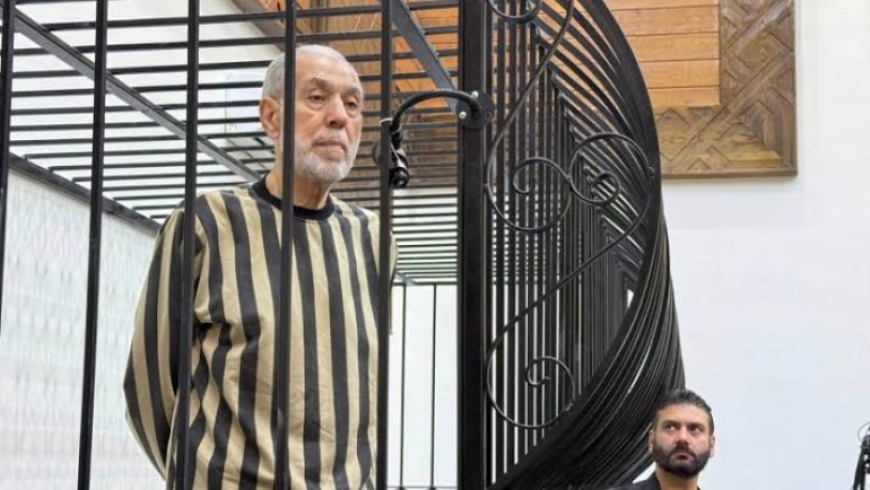
Ahmad Badreddin Hassoun, the former Grand Mufti of Syria and once one of the most influential religious figures under the rule of Bashar al-Assad, returned to the spotlight this week as he appeared in court for the opening session of his trial in Damascus. The man who long stood at the apex of the regime’s religious and political establishment now faces a dramatically altered fate: he is on trial before the Fourth Criminal Court, a chamber designated for transitional justice cases.
Hassoun’s prosecution is part of a broader judicial effort by Syria’s transitional authorities to hold senior political, security, and religious officials from the former regime accountable for their roles during the conflict. Given his prominence and the central role he played in shaping the regime’s wartime religious narrative, the proceedings have drawn significant attention from human rights groups and regional media.
Although Hassoun built his early reputation as a proponent of interfaith dialogue and served for years as the state’s highest religious authority, his public image shifted sharply after 2011. As the uprising unfolded, he emerged as one of the regime’s most forceful defenders, offering religious justification for military operations and echoing the government’s narrative about foreign conspiracies and armed groups.
This article was translated and edited by The Syrian Observer. The Syrian Observer has not verified the content of this story. Responsibility for the information and views set out in this article lies entirely with the author.
The post From Supreme Cleric to Transitional Justice: The Rise and Fall of Ahmad Badreddin Hassoun first appeared on The Syrian Observer.