June the 17th, 2026 – Liberland was a controversial topic a few years ago, but it seems yet another so-called “country” has appeared between Croatia and Serbia, this time “discovered” by teenagers – meet Gapla.
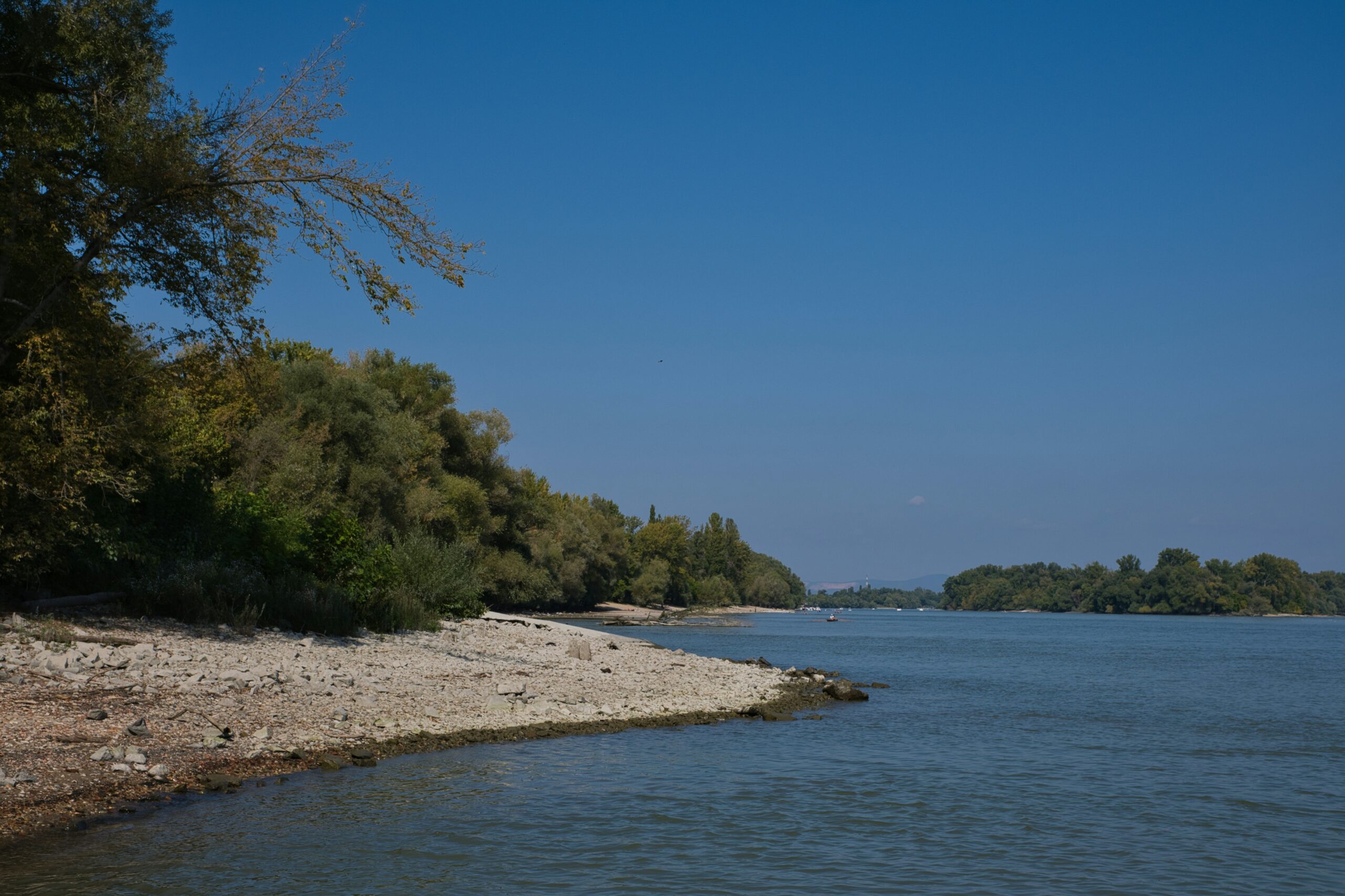
Croatia’s border with Serbia has become the unlikely home of yet another internet-era “country” as a group of teenagers proclaim it a state. Index and Deutsche Welle report that this bit of land has been called Gapla, and its founders claim they’re building a modern, innovative nation on a small piece of land along the banks of the Danube. The area is near the famous Liberland, another self-declared state that appeared in the same disputed border region years ago.
Gapla reportedly has many things associated with a real country: a flag, passports, licence plates, an online presence, and even its own cryptocurrency. However, like similar projects before it, it has no international recognition. The idea was reportedly started by teenager Wyatt Baek together with a group of young founders. Their vision is to create a country focused on technology, innovation, and cooperation rather than traditional politics. It’s Gapla’s location is what makes the story unusual.
The land sits in an area affected by an extremely long-running border dispute between Croatia and Serbia. Because the Danube has changed its course over time, some small areas along the river have become complicated legal questions, with disagreements over exactly where the border between the two nations should actually be. That same situation helped inspire Liberland in 2015, when Czech activist Vít Jedlička declared a new state on a piece of land between Croatia and Serbia. Much like Gapla, Liberland created its own symbols and online community but has never gained official recognition.
So-called microstates like these often exist somewhere between political experiment, internet community, and real-world project. Some are created as critiques of government systems, taxation, or bureaucracy. Others focus on ideas like digital citizenship, alternative economies, or new forms of organisation. All of that aside, the biggest question remains the same: Can anyone just come and create a country simply by declaring a patch of land exposed by a changing river source to be one?
International law says recognition from other states is essential, meaning flags, passports, and websites alone do not create a new nation. For now, Gapla exists mostly online, with supporters building the idea of what this “country” discovered by some teenagers could become.
Whether it ever becomes anything more is uncertain, but one thing is abundantly clear – the quiet stretch of the Danube between Croatia and Serbia has become one of the world’s strangest places for people trying to reinvent the idea of a country.
Subscribe to our newsletter
the fields marked with * are required