South Korea’s narrowing fiscal deficit is giving Seoul more room to expand state-backed financing for supply-chain resilience and strategic industries, even as geopolitical instability and energy risks threaten to raise the long-term cost of that approach.
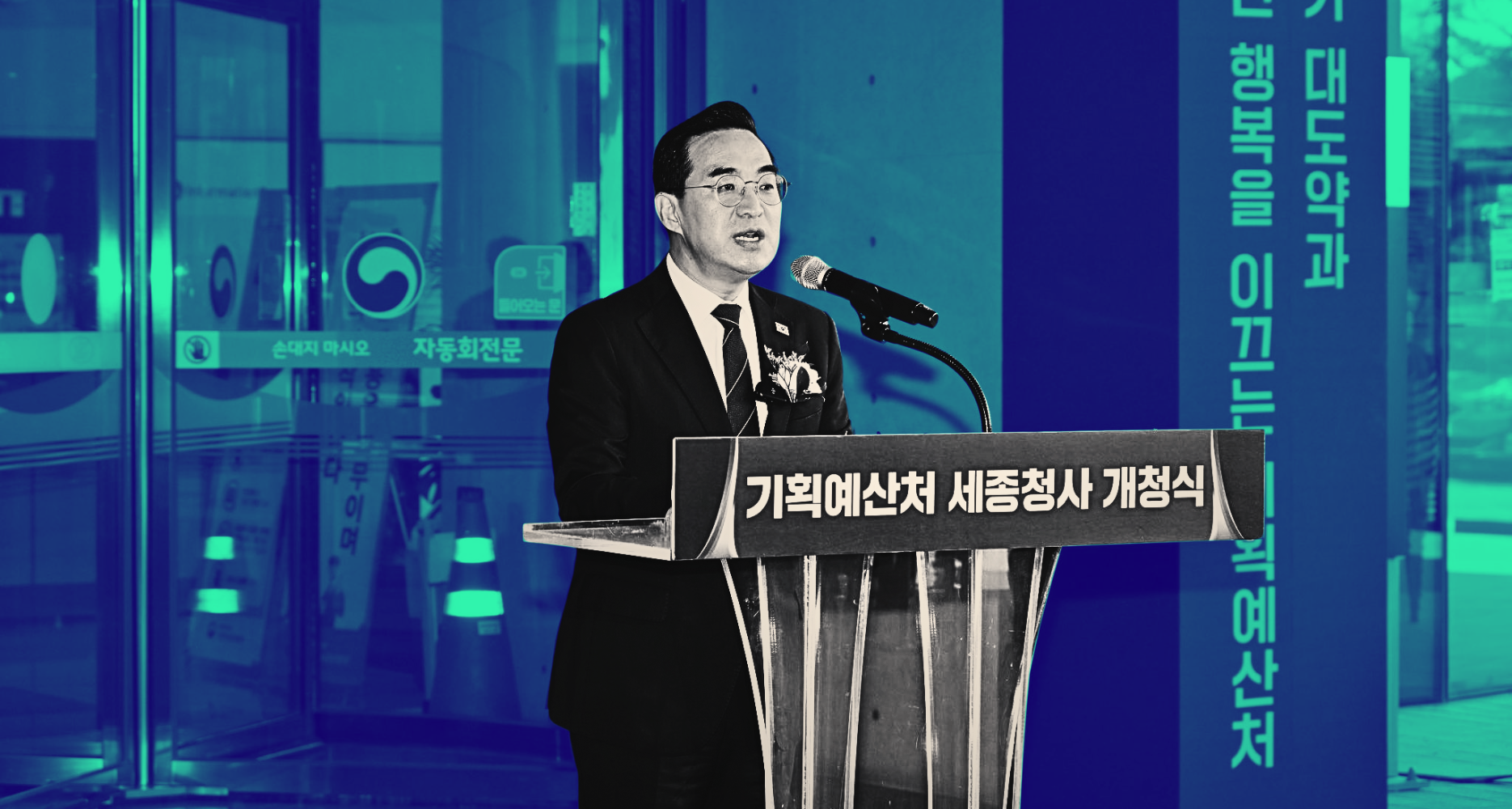
South Korea’s Ministry of Planning and Budget said Thursday that the country’s managed fiscal deficit narrowed sharply in the first quarter as tax revenue surged on stronger corporate earnings, higher securities trading activity and increased imports, giving Seoul greater short-term room for maneuver as it expands support for supply-chain resilience and advanced industries.
The government’s managed fiscal balance recorded a $26.7 billion (39.6 trillion