GRAN POPO, Benin — In Benin, mangroves are said to be protected by the Zangbéto. In the Vodun belief, this deity forbids wood cutting, under penalty of a curse. As a result, in 10 years, more than 500 hectares (1,200 acres) of mangroves have been preserved thanks to this spiritual practice, which protects fragile and vital ecosystems.
Increasingly, major international climate bodies — from U.N. climate conferences to IPCC reports — recognize the central role of Indigenous knowledge and traditional governance systems in protecting biodiversity and adapting to climate change.
In this context, the Vodun religion, which is believed to have existed since at least the 4th century B.C.E. in West Africa, represents an example of the spiritual regulation of natural resources. Practiced by more than 60 million people worldwide, it is based on the connection between humans, nature and spirits, and prescribes concrete actions to protect the environment.
From Cotonou, Benin’s economic capital, to Dado, a center of Vodun devotion in the heart of the mangroves, take a deep dive with our journalist Jahëna Louisin into the heart of Vodun practices that help protect nature on this immersive cultural journey. You will meet a Vodun Queen Mother, a Fâ priest, initiates, environmental activists, as well as a government representative during this exclusive experience in Benin, the birthplace of Vodun. We will take you into ceremonies where, at times, only the initiated are invited.
Mongabay’s Video Team wants to cover questions and topics that matter to you. Are there any inspiring people, urgent issues, or local stories that you’d like us to cover? We want to hear from you. Be a part of our reporting process—get in touch with us here!
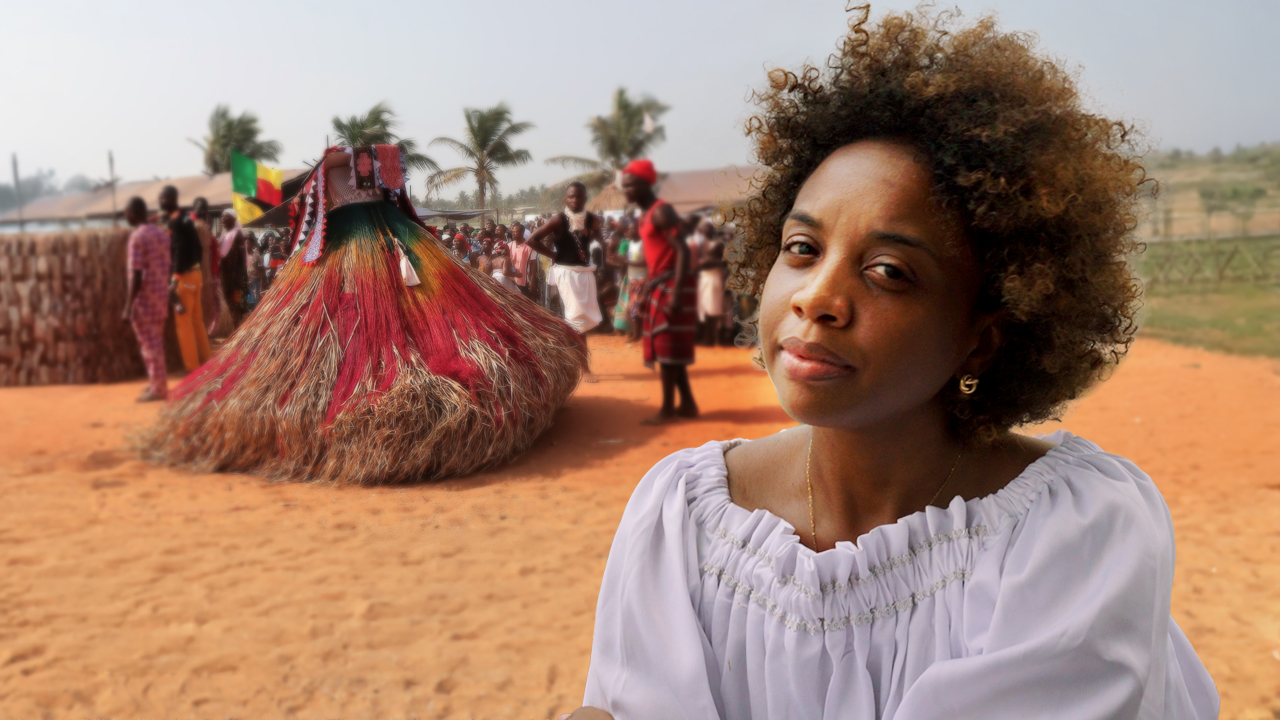
Banner image: Collage, Jahëna Louisin, Mongabay reporter, and a Vodun ritual.
These tiny houses are designed to stand in extreme floods