Australian authorities announced on Wednesday, 6 May, the expected return of 13 nationals linked to suspected Islamic State members from northeastern Syria, in a move that reflects a limited shift in dealing with the issue of foreign families held in camps in the region.
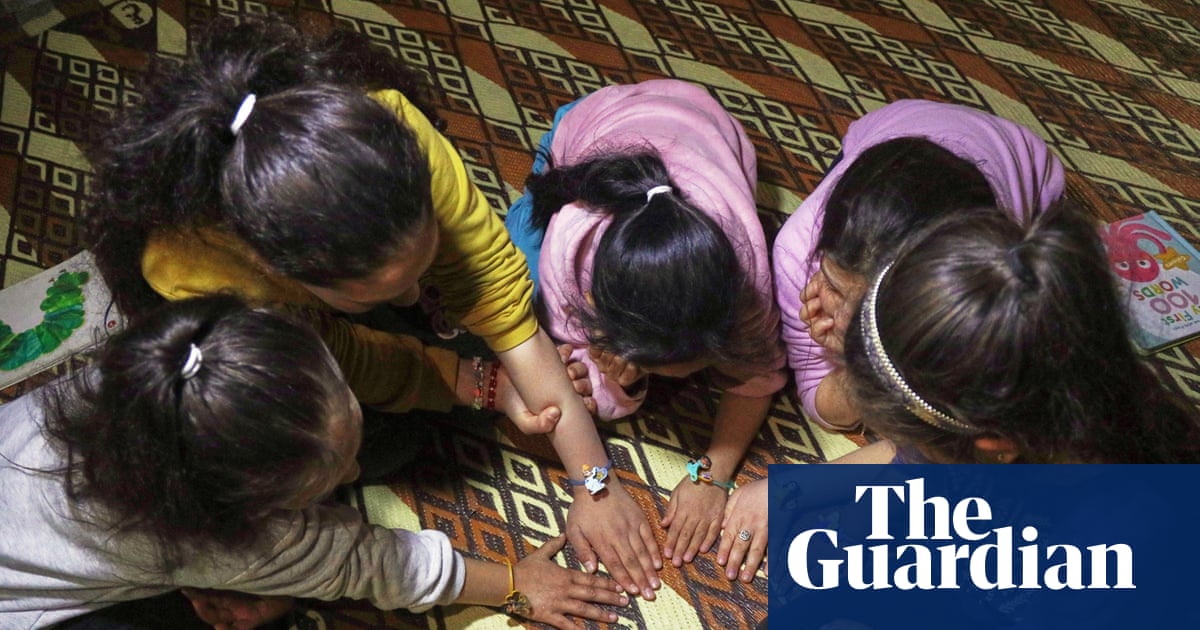
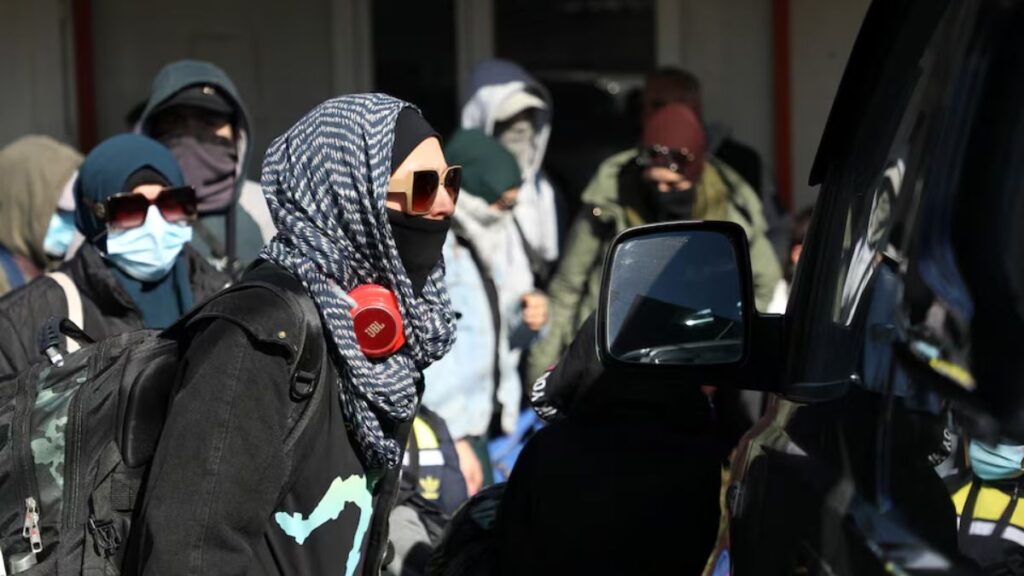
Agence France-Presse (AFP) quoted Australian police as saying that the group includes four women and nine children who had been staying in Roj camp in rural al-Hasakah. They are expected to arrive at Sydney and Melbourne airports on Thursday, 7 May.
Australian Home Affairs Minister Tony Burke said at a press conference that the group had “booked to return to Australia,” stressing that the government “is not assisting and will not assist these people.”
Burke added that the returnees had made a “horrific and shameful decision,” noting that anyone proven to have committed crimes would face “the full force of the law without exception.”
The Australian Federal Police said it had collected evidence inside Syrian territory as part of investigations to determine whether Australian citizens had committed crimes punishable by law, including traveling to prohibited areas or involvement in illegal activities such as human trafficking.
Australian Federal Police Commissioner Krissy Barrett said that “some individuals will be arrested and charged,” without providing further details on the nature of the charges or the number of people who may be included in the measures.
Shift after earlier refusal
This development comes days after the Australian government announced, on 25 April, that it would not provide any support to return its citizens from northeastern Syria, following reports that several Australian families had left Roj camp for the capital Damascus ahead of their return.
The Australian Broadcasting Corporation (ABC), citing the camp administration, reported that four Australian women and nine of their children and grandchildren had left the camp with help from local parties. They were transferred to Damascus to complete procedures for air travel to Australia.
This points to indirect coordination or field arrangements that helped facilitate the group’s departure from the camp, despite official statements denying the provision of support, reflecting the political and security complexities surrounding the repatriation issue.
Moves to close Roj camp
The return of the Australian group comes amid rapid changes in Roj camp, after the Autonomous Administration in northeastern Syria announced in February its intention to evacuate and close the camp as part of a broader plan to redistribute its residents.
Sheikhmous Ahmed, co-chair of the Office for Displaced Persons and Refugee Affairs at the Autonomous Administration, said the camp hosts around 2,225 people from more than 40 countries, including Syrian and Iraqi families.
He explained that the evacuation process would take place in coordination with the countries concerned to repatriate their nationals, while Syrian families would be transferred to their areas of origin.
Roj camp is one of the main camps housing families of former Islamic State fighters. It is located in rural al-Hasakah and is controlled by the Syrian Democratic Forces (SDF). In recent years, the area has witnessed varied international efforts to repatriate foreign nationals.
A complex file since 2019
Since the Islamic State organization’s defeat was announced in Syria in 2019, foreign women and their children have remained in camps in northeastern Syria, after many of the women were linked to fighters in the organization. They have mainly been held in al-Hol and Roj camps.
Over recent years, the Australian government has repatriated limited groups of its citizens, without expanding return operations, due to domestic political pressure and security concerns over the possible return of people involved in activities linked to the organization.
The return of the new group of Australians reflects the continued cautious handling of this file, which combines humanitarian considerations, especially regarding children, with security challenges linked to holding adults accountable, amid differing state policies on repatriating nationals from conflict zones.