- by croatiaweek
- May 2, 2026
-
in
News
A new law regulating the thermal energy market in Croatia is set to significantly impact households connected to district heating systems, with a firm deadline and financial penalties now in focus.
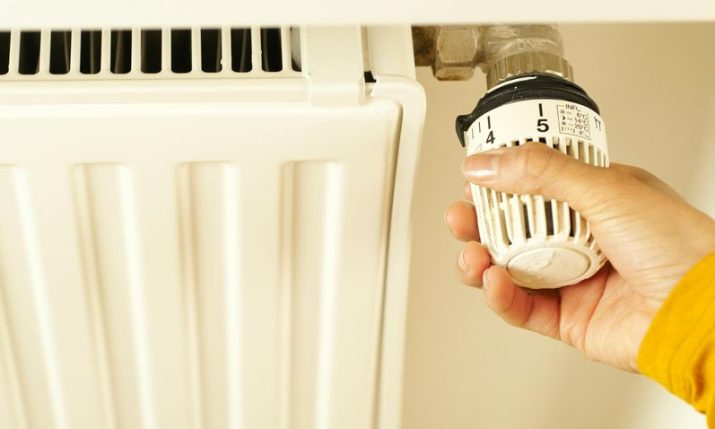
Under legislation introduced in October last year, all apartments and houses linked to shared heating systems must install heat cost allocators by 1 January 2027.
These devices measure individual consumption, enabling more accurate billing based on actual usage.
However, a key provision comes into effect earlier. From 1 September 2026, households without installed devices will face a financial charge aimed at encouraging energy efficiency, 24sata writes.
This fee is set at a minimum of €0.50 per square metre and will apply continuously until installation is completed.
Experts warn that delays could result in significant additional costs. For example, an 80-square-metre flat without a meter could incur an extra €40 per billing period. In some cases, costs may rise further depending on how consumption is calculated within buildings that have partially adopted the new system.
Two billing scenarios are outlined. In buildings where most units have installed meters, those without them will face a correction factor that effectively triples their calculated consumption. In contrast, if an entire building does not transition, all residents will still pay the efficiency fee, though without the multiplier.
The cost of installation remains relatively modest, at around €30 per device, with annual reading fees of approximately €5 to €6. This is considerably lower than the potential penalties and increased heating bills faced by non-compliant households.
Concerns have also been raised about capacity constraints as demand increases. A surge in installations is expected in autumn, coinciding with the start of the heating season, potentially leading to delays and waiting lists.
The reform aims to promote fairer billing and improved energy efficiency. Earlier studies have suggested that the use of heat allocators could reduce energy consumption by up to 35%, offering both environmental and financial benefits.
Residents are advised to act promptly to avoid higher costs and ensure compliance ahead of the 2027 deadline.