Croatia’s property market slows as prices continue to rise
A new overview of Croatia’s real estate market has highlighted a continued slowdown in property transactions, even as prices rise and affordability challenges intensify, particularly in coastal areas and major cities.
The findings were presented in Zagreb at a professional conference organised by the Ministry of Physical Planning, Construction and State Assets and the Institute of Economics, alongside the publication of annual market reviews for 2024 and 2025.
According to the data, Croatia recorded 88,395 property transactions in 2025, marking a sharp year-on-year decline of 21.7%.
This follows a 9.7% drop in 2024, signalling a clear cooling trend after modest growth in 2023. The total value of transactions also fell by 16.8% to €7.67 billion.
Despite this slowdown, property prices continued to climb. The median price of apartments rose to €2,587 per square metre in 2025, up 11.3% from the previous year.
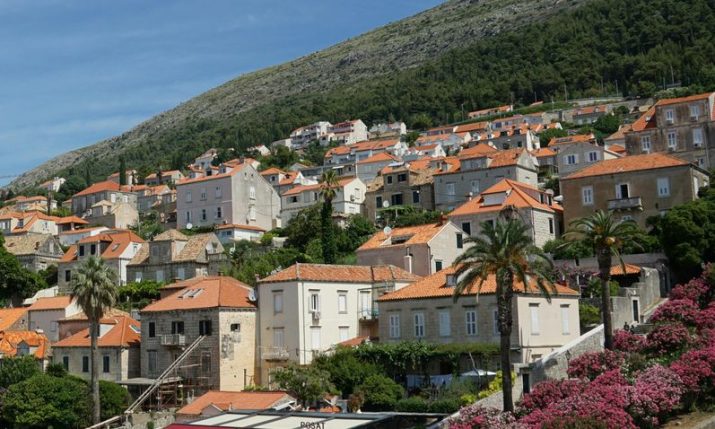
Coastal hotspots remain the most expensive, with Split leading at over €4,000 per square metre, followed by Dubrovnik (€3,921), Opatija (€3,830), Lovran (€3,615), Malinska-Dubašnica (€3,587),Umag (€3,552) Punat (€3,539) and Baška (€3,523).
In contrast, significantly lower prices were recorded in continental areas, highlighting strong regional disparities.
The lowest median price per square meter recorded in Vrbovsko (€715) and Ogulin (€745).
According to the number of real estate sales in 2025, Zagreb stands out with 13,126 sales. This is followed by Zadar (1,659), Rijeka (1,610), Osijek (1,322) and Split (1,210). A fifth of all real estate sales in 2025 relate to these five cities.
The report also points to shifting demand patterns, with buyers increasingly turning to areas surrounding major cities in search of more affordable options.
Locations near Zagreb, Split and Rijeka have seen growing interest as urban prices surge.
Housing affordability remains a key concern. Analysts note that housing costs should not exceed 30% of household income, yet this threshold is exceeded in many parts of Croatia, especially along the coast.
In some tourist-driven areas, housing expenses can consume up to 80% of income, underlining severe affordability pressures.
(Photo: Ministry of Physical Planning, Construction and State Assets)
Government officials emphasised that ongoing housing reforms aim to address these issues. Measures include boosting the supply of affordable housing, regulating long-term rentals, and limiting short-term lets.
Financial support schemes for first-time buyers and renters are also in place, with thousands of applications already approved.
The most affordable apartments were in Ilok, Plitvice Lakes, Knin, Darda, Pakrac, Vukovar, Grubišno Polje, Beli Manastir, Belišće, Pašman, Delnice, Valpovo, Klinča Selim, Gospić, Požega, Garešnica, Petrinja, Benkovac, Nova Gradiška and Novska.
The national housing strategy, valued at over €2 billion through 2030, is expected to stabilise the market and improve access to housing.
However, the latest figures suggest that while policy efforts are underway, Croatia’s property market continues to face the dual challenge of declining activity and rising costs, with affordability emerging as one of the sector’s most pressing issues.