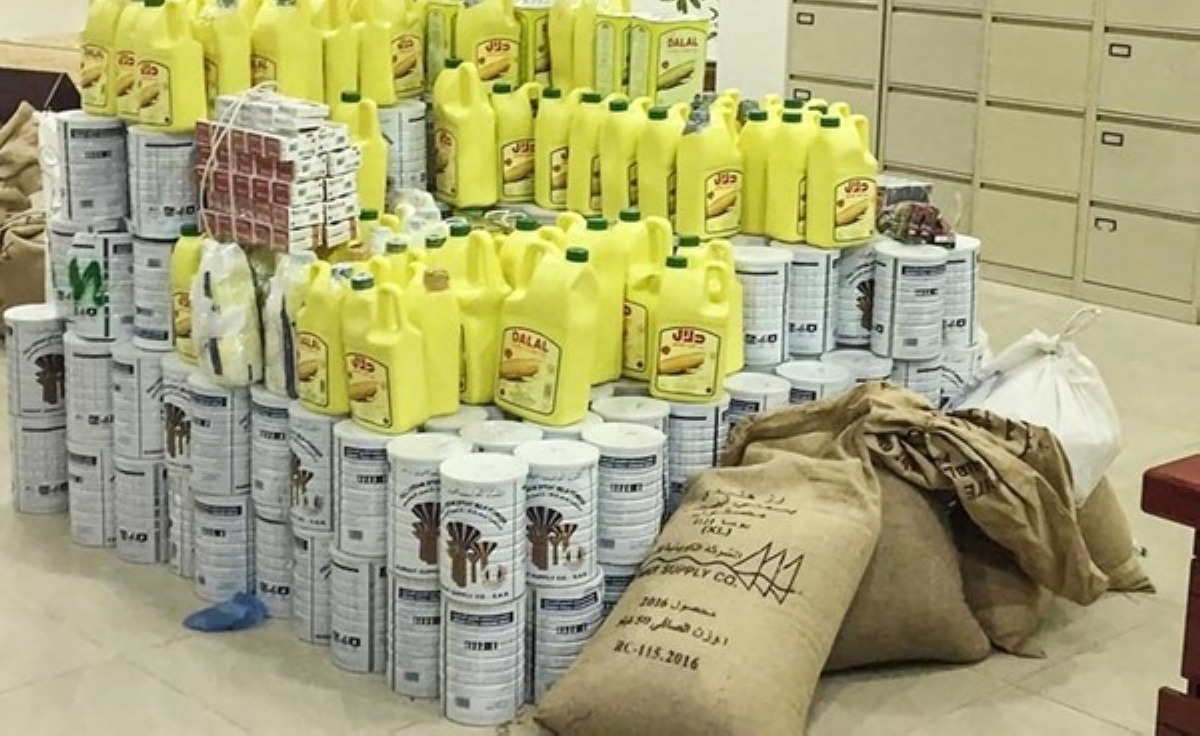
The State of Kuwait’s food subsidy bill recorded a rise of around 1.6 percent during the first two months of 2026, reaching approximately 58.715 million dinars, compared to 57.78 million dinars in the same period of 2025, according to data issued by the Ministry of Trade and Industry.
The figures highlight a notable shift in spending patterns, particularly in basic food items, which surged by 50.66 percent to 30.38 million dinars, an increase of 10.219 million dinars compared to 20.169 million dinars last year.
This category accounted for 51.75 percent of total subsidy expenditure, driven by higher consumption among beneficiaries, which rose to 80 percent during Ramadan compared to around 70 percent in other months, reports Al-Rai daily.
Subsidies for milk and infant food also increased by 9.3 percent, reaching 2.9 million dinars, up from 2.65 million, representing about 4.95 percent of total spending.
In contrast, construction material subsidies accounted for 43.3 percent of total spending, valued at 25.426 million dinars, despite recording a sharp annual decline of 27.26 percent compared to 34.95 million dinars.
Administrative data showed a significant drop in related transactions, including 712 requests for construction material disbursement (down 53 percent), along with various requests for renewals, exchanges, and certification of receipt or non-receipt.
On the administrative side, the Ministry issued 1,747 new ration cards, an increase of 34.6 percent, and renewed 1,199 cards, up 29.2 percent, while 121 cards were cancelled. The total number of registered ration cards reached 275,323 by the end of February, with beneficiaries rising to 2.349 million.
The Ministry of Commerce also approved adjustments to subsidized goods, adding 8 new discounted items and removing 9, bringing the total number of subsidized and discounted products to 108, compared to 110 in 2025.
Notable changes included the introduction of frozen zubaidi fish in two varieties, priced at 4.985 dinars, while items such as dried shrimp and grouper fillet were removed.
Additional adjustments were made in poultry and dairy categories, with five poultry items added and seven removed, alongside changes to children’s milk products, while 61 items for children and adults remained unchanged.