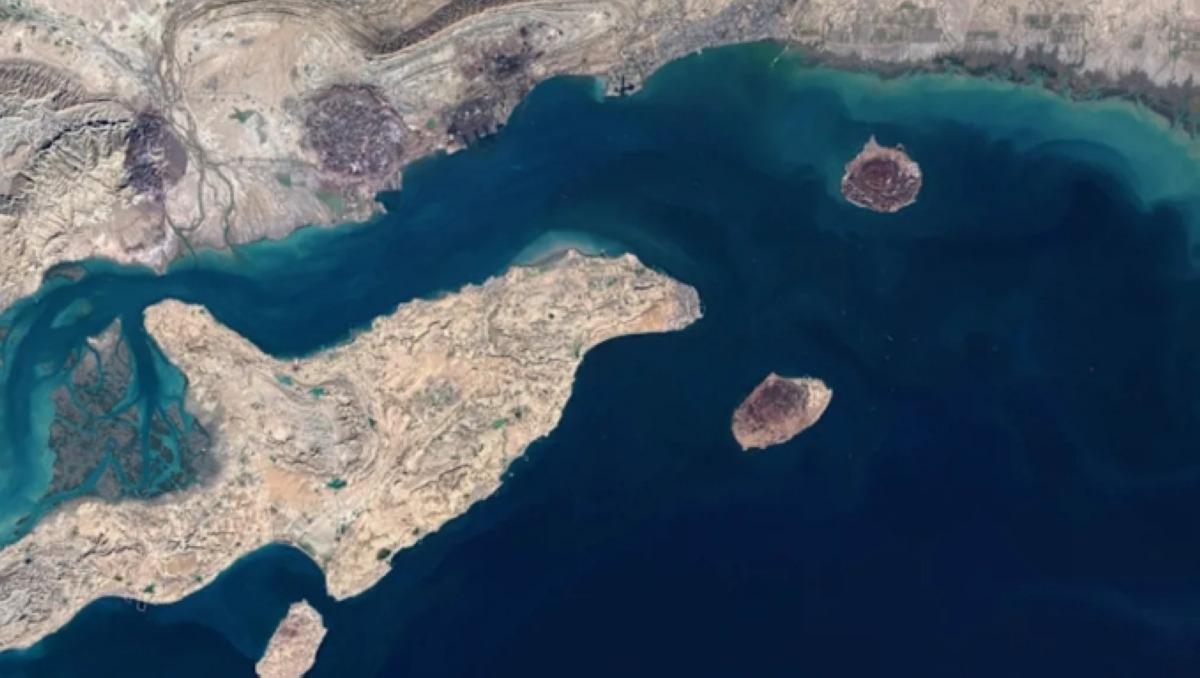
A source familiar with Iranian negotiations has revealed that Tehran is considering allowing ships to pass freely through the Omani side of the Strait of Hormuz, as part of proposals presented during ongoing discussions with the United States.
According to the source, the move would be conditional on reaching an agreement that prevents a renewed outbreak of conflict.
The proposal, while significant, is seen more as a gesture of goodwill rather than an immediate solution to the growing congestion of vessels waiting to cross one of the world’s most critical maritime chokepoints, reports Al-Rai daily.
Before the escalation, the strait handled nearly 20 percent of global oil and liquefied natural gas flows, making any disruption a major concern for international markets.
The source indicated that Iran could permit ships to navigate through Omani territorial waters without interference, effectively limiting its control to its own side of the strait.
However, key uncertainties remain, including whether Tehran would remove any naval threats such as mines, and whether all vessels, including those linked to Israel, would be granted safe passage.
A spokesperson for the International Maritime Organization welcomed any initiative that ensures the safe movement of ships through established navigation channels, underscoring the importance of maintaining global shipping stability.
The proposal marks a notable shift from earlier positions attributed to Tehran, which reportedly included imposing transit fees on vessels and asserting broader control over the waterway, measures widely criticized by the global shipping industry as violations of international maritime norms.
Western security sources confirmed that the idea of allowing unhindered passage through Omani waters has been proposed, though it remains unclear whether Washington has formally responded.
Iranian officials have described the proposal as a signal of flexibility aimed at ending the conflict, while maintaining sovereignty over their territorial waters. In return, Tehran is said to expect reciprocal steps from the United States.
The Strait of Hormuz, a narrow passage approximately 34 kilometers wide between Iran and Oman, serves as a vital link between the Gulf and the Indian Ocean. Its long-standing navigation system, established under an agreement overseen by the International Maritime Organization in 1968, divides shipping lanes between Iranian and Omani waters to ensure safe, two-way traffic.
Any disruption to this system carries far-reaching consequences, not only for energy markets but also for the global flow of goods, including essential commodities such as fertilizers.
Meanwhile, member states of the International Maritime Organization have rejected proposals to impose transit fees on ships, warning that such a move would set a dangerous precedent for international waterways.
While Iran’s latest proposal could signal a step toward de-escalation, its success will ultimately depend on broader political consensus between Washington and Tehran.