By JIM VERTUNO AND NADIA LATHAN, Associated Press
AUSTIN, Texas (AP) — The Justice Department on Wednesday sought to block a Texas law that for decades has given college students without legal residency in the U.S. access to reduced in-state tuition rates, the latest effort by the Trump administration to crack down on immigration into the country.
Texas was the first state in the nation in 2001 to pass a law allowing “Dreamers,” or young adults without legal status, to be eligible for in-state tuition if they meet certain residency criteria. And while two dozen states now have similar laws, the Trump administration filed the lawsuit in conservative Texas, where Republican Gov. Greg Abbott and state lawmakers have long sought to support his hardline goals on the border.
The lawsuit also comes just a few days after the end of the state legislative session, where a repeal bill pushed by group of Republicans was considered but ultimately did not come up for a vote.
The lawsuit now asks a federal judge to block the Texas law. It leans into recent executive orders signed by Trump designed to stop any state or local laws or regulations the administration feels discriminate against legal residents.
“Under federal law, schools cannot provide benefits to illegal aliens that they do not provide to U.S. citizens,” Attorney General Pam Bondi said. “The Justice Department will relentlessly fight to vindicate federal law and ensure that U.S. citizens are not treated like second-class citizens anywhere in the country.”
Texas has about 57,000 undocumented students enrolled in its public universities and colleges, according to the Presidents’ Alliance on Higher Education and Immigration, a nonpartisan nonprofit group of university leaders focused on immigration policy. The state has about 690,000 students overall at its public universities.
Texas Gov. Greg Abbott and state Attorney General Ken Paxton, did not immediately comment on the lawsuit, and staff did not immediately respond to email messages seeking comment.
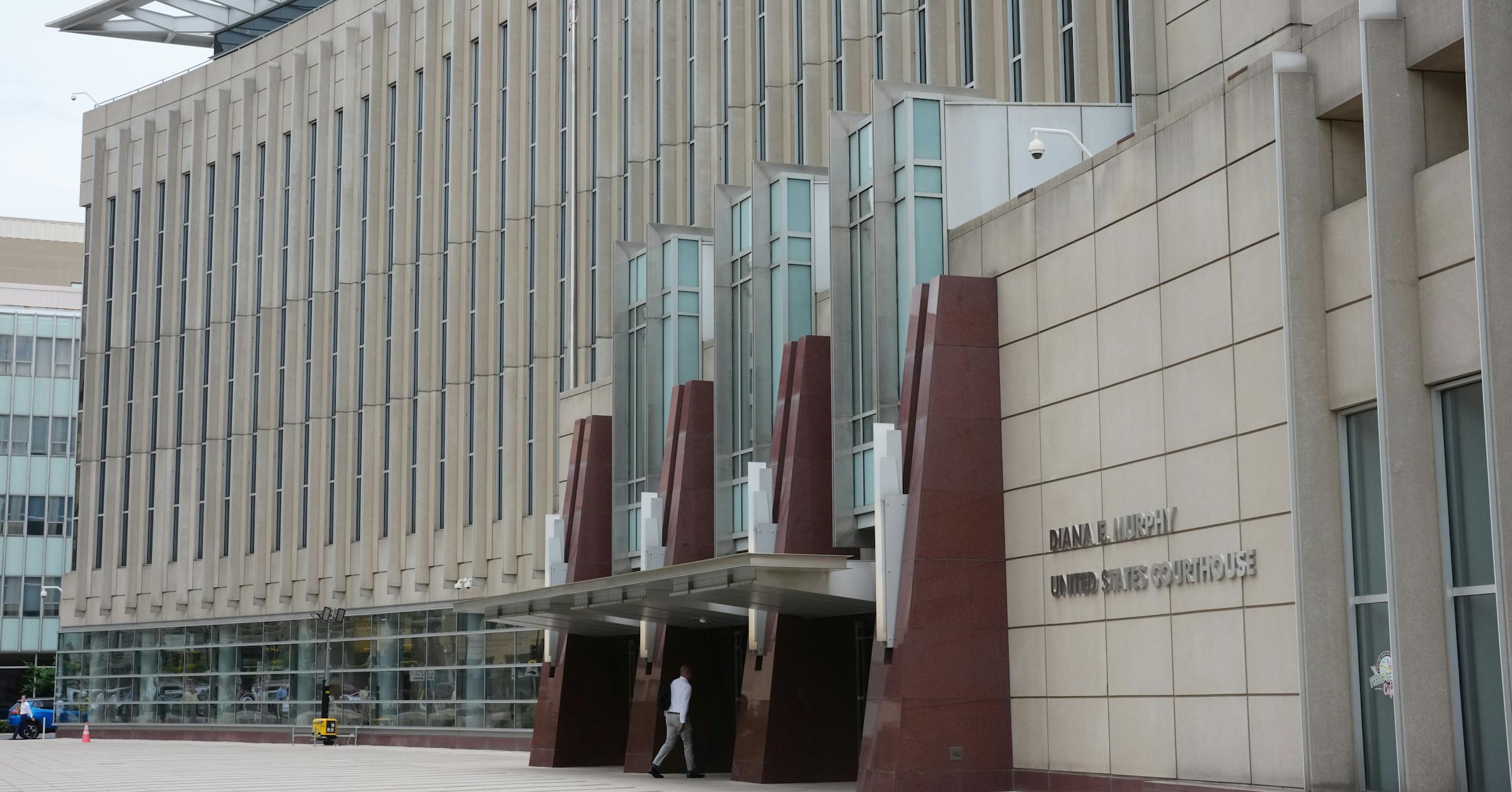
The lawsuit was filed in the Wichita Falls division of the Northern District of Texas, which the state and conservative litigants have often chosen to file lawsuits challenging the federal government and issues such as healthcare and gay and transgender rights.
The Texas law was initially passed by sweeping majorities in the Texas Legislature and signed into law by then-Gov. Rick Perry, a Republican, as a way to open access to higher education for students without legal residency already living in the state. Supporters then and now argue it boosts the state’s economy by creating a better educated and better prepared work force.
“Targeted attacks on Texas students who are seeking an affordable college education, led by the Trump administration, won’t help anyone, they only hurt us all,” said Luis Figueroa of Every Texan, a left-leaning public policy group.
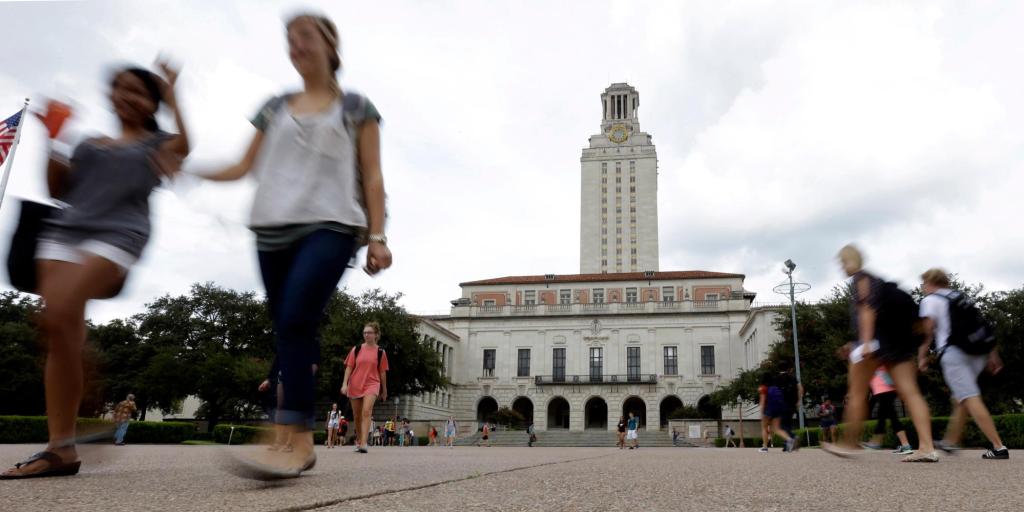
The difference in tuition rates is substantial. For example, at the flagship University of Texas at Austin, a state resident paid about $11,000 in tuition for the 2024-2025 academic year compared to about $41,000 for students from outside of Texas. Other expenses for housing, supplies and transportation can add nearly $20,000 more, according to school estimates.
The law allows for students without legal resident status to qualify for in-state tuition if they have lived in the state for three years before graduating from high school, and for a year before enrolling in college. They must also sign an affidavit promising to apply for legal resident status as soon as possible.
But the policy soon came under fire from conservatives and critics who called it unfair to legal residents as debates over illegal immigration intensified. In the 2012 Republican presidential primary, Perry ended up apologizing after saying critics of the law “did not have a heart.”
Legislative efforts to repeal the Texas law have repeatedly failed, but have started to gain traction elsewhere. Florida Gov. Ron DeSantis, a Republican, earlier this year signed a bill that will repeal that state’s in-state tuition law in July.
Originally Published: June 4, 2025 at 5:19 PM CDT