Aimee Bock, the convicted ringleader of the massive Feeding Our Future scheme, said the U.S. government failed to prove she knew the scope of the fraud passing through her nonprofit in asking an appeals court to overturn her conviction.
Bock, 45, was sentenced in May to 41 years in prison for using Feeding Our Future to steal millions from a federal meals program meant to feed needy children. Instead, many defendants who participated in the scheme used the money for luxury purchases, such as cars or homes, or money was sent overseas. A federal jury last year convicted Bock of seven federal charges including wire fraud, conspiracy to commit wire fraud and bribery. She appealed her conviction in June.
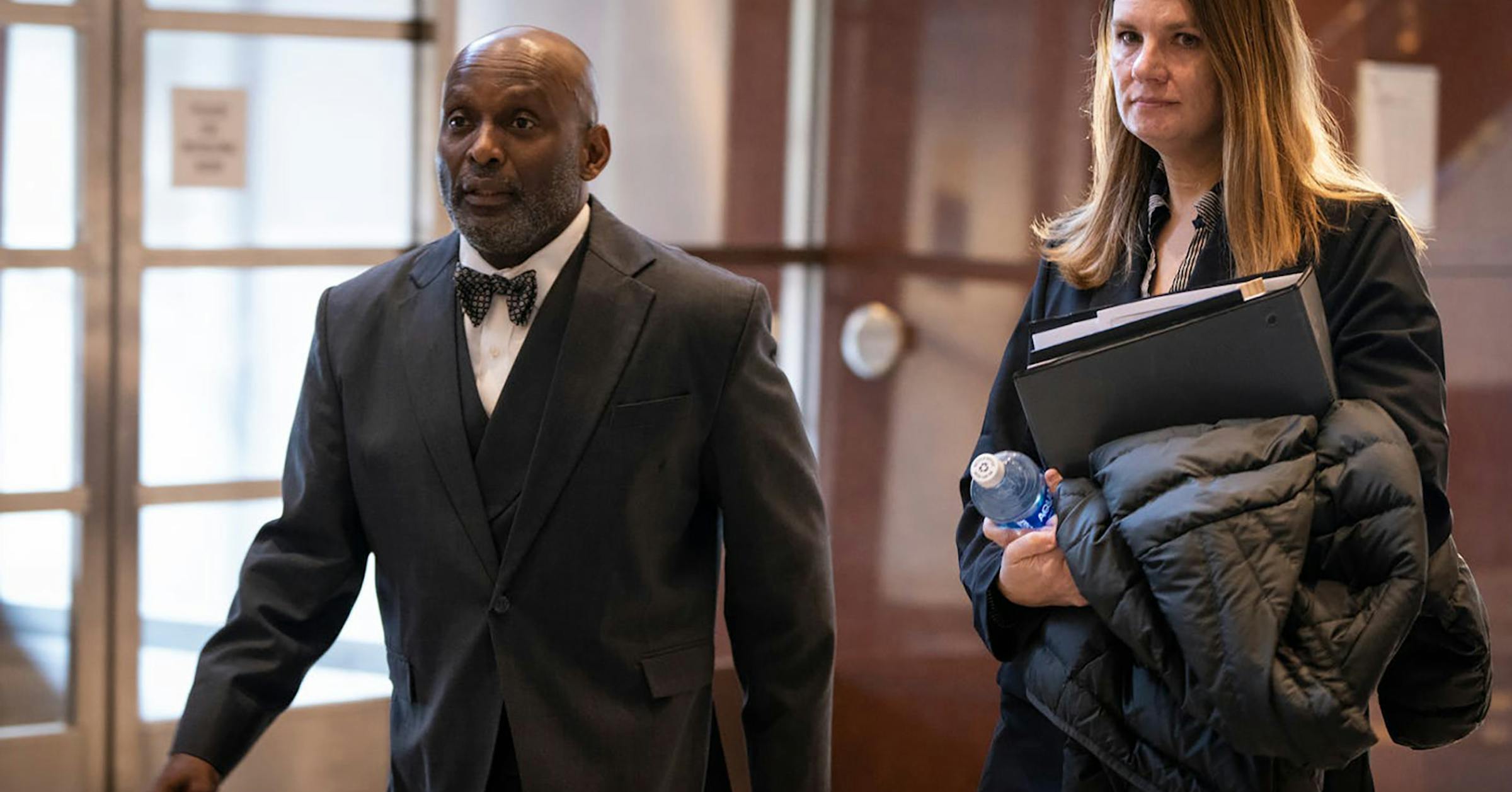
In a 72-page filing, Bock’s attorney Kenneth Udoibok raised numerous claims objecting to his client’s conviction and sentence, arguing that the federal government failed to show that Bock knowingly participated and intended to lead the $300 million scheme and also took issue with the restitution bill she received.
Udoibok stated that while the U.S. government showed evidence that some meal sites and vendors may have falsified records, it didn’t prove that Bock knowingly or intended to submit the falsified claims. In order to convict Bock of wire fraud, Udoibok said, the federal government had to show she knew the information was false and still used wires to obtain the money by deception.
“It did not,” Udoibok wrote.
At trial, Bock deflected much of the blame for the fraud to her lower-level employees and testified that she rarely looked at falsified reimbursement claims. She said she personally terminated at least 10 vendors and 50 food distribution sites over suspected fraud or other reasons.
Udoibok also wrote that Bock’s bribery conviction wrongly relied on a definition that the U.S. Supreme Court has rejected. The argument stemmed from the government’s assertion that Bock accepted a $310,000 kickback payment from Cosmopolitan Business Solutions, which operated as Safari Restaurant and was associated with her co-defendant, Salim Said.
Bock’s appeal also lodges complaints against the large restitution amount she was ordered to pay, saying that investigators portrayed all $242 million in reimbursements from the federal child nutrition program as fraudulent without accounting for legitimate services.