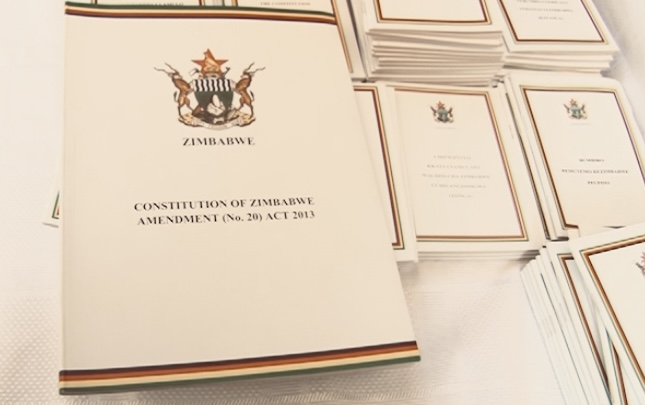
ON Tuesday, February 10, 2026, Zimbabwe’s cabinet approved wholesale changes to our constitution. The most critical of those proposed changes can be summarised in this way: The people ‘gave’ the president a mandate to rule the country from 2023 to 2028. That mandate ends sometime in August 2028. Were it not for the term limits that Zimbabweans placed in the constitution in 2013, the president would have needed to come back to the people in 2028 and ask for a fresh mandate. He would also potentially have to face other persons wanting the same mandate. He, however, cannot do that at present because the law restricts a person to only two terms as president.
As things stand, in 2028 you and I will elect a new president and the current president will retire. Those behind the cabinet proposals do not want that. If we are to judge their motives by the contents of their proposal alone, they wish to do two things, amongst many.
Firstly, they want to extend the president’s rule outside the mandate you gave him. This means from 2028 to 2030 the president will serve not at your pleasure but at the pleasure of his friends in cabinet, about 20 men and women against millions of Zimbabweans.
Secondly, they no longer want you to choose a president directly. You will only elect councillors and MPs. Those MPs will proceed to Mt Hampden and elect a president behind closed doors.
Why is this problematic? It is problematic because:
♦️ When you approved the present constitution thirteen years ago you included a failsafe measure to ensure that the most fundamental provisions of that constitution would not be amended without your approval. The powers that be have ignored and explained this provision away. They now want to make these wholesale changes by circumventing your right to decide in a referendum.
♦️ By your collective wisdom you decided that should any amendment be made and approved by the people the incumbent would not benefit from such amendment. This other worldly wisdom was informed by the reality that people may abuse their positions to create favourable political realities for themselves. Your wonderful vision now stands to be discarded.
♦️ The amendments remove the certainty of the law and turn the constitution into an ordinary piece of legislation that can be tailor made to suit the needs of each new leader.
You did you sign up for a constitution that is so easily changed upon the arrival of every new leader. Without the discovery of any justifiable gremlin in our democratic system the amendment cannot possibly be for the people, by the people.
♦️ When leaders engage in such conduct, public trust in governmental institutions is inevitably eroded, as citizens perceive these actions as self-serving rather than aligned with the broader national good. This erosion of trust can foster widespread cynicism and disengagement from the political process, ultimately undermining the legitimacy of both the leadership and the constitutional framework meant to safeguard the interests of the people.
In short the president will, by this amendment, no longer benefit from the goodwill and the pliancy of the governed, who will see him as a usurper.
We do not deny that a constitution can be amended, but it’s important to remember the history behind its drafting. Thousands were employed to travel across the country, gathering public opinions on what the law should include. Numerous meetings took place where people openly shared their wishes for the law’s content. Skilled legal experts worked together to shape these aspirations into a single document. Eventually, a referendum was held, and with overwhelming support, people confirmed that their collective will was reflected in the draft.
So, how is it possible that a small group of individuals now attempts to reverse what millions accomplished together?
It may be tempting to consider these changes as insignificant to our way of life; however, doing so overlooks our responsibility to future generations. Disregarding established legal principles undermines the rules-based order that has long characterised our democracy and poses a potential risk to the wellbeing of this country in the years ahead. Such actions weaken the checks and balances that have encouraged leaders, even within an imperfect system, to seek public approval for their governance.
Consider the message being sent by these amendments: among 16 million men and women, none but one is considered worthy or competent to govern. This perception not only undermines the spirit of democracy but also plunges the nation into a state where the immense potential within its ranks is disregarded. Such actions reflect the depths to which the nation’s political environment has descended, prioritising the preservation of individual power over the empowerment of its people.
Zimbabwe stands at a watershed moment, her people will have no one to blame if they stand idly in quietude whilst the country’s constitution is mutilated by those entrusted with upholding it. I wont.
Arnold F. Bimha is a lawyer based in Harare and writes in his own capacity