BBC
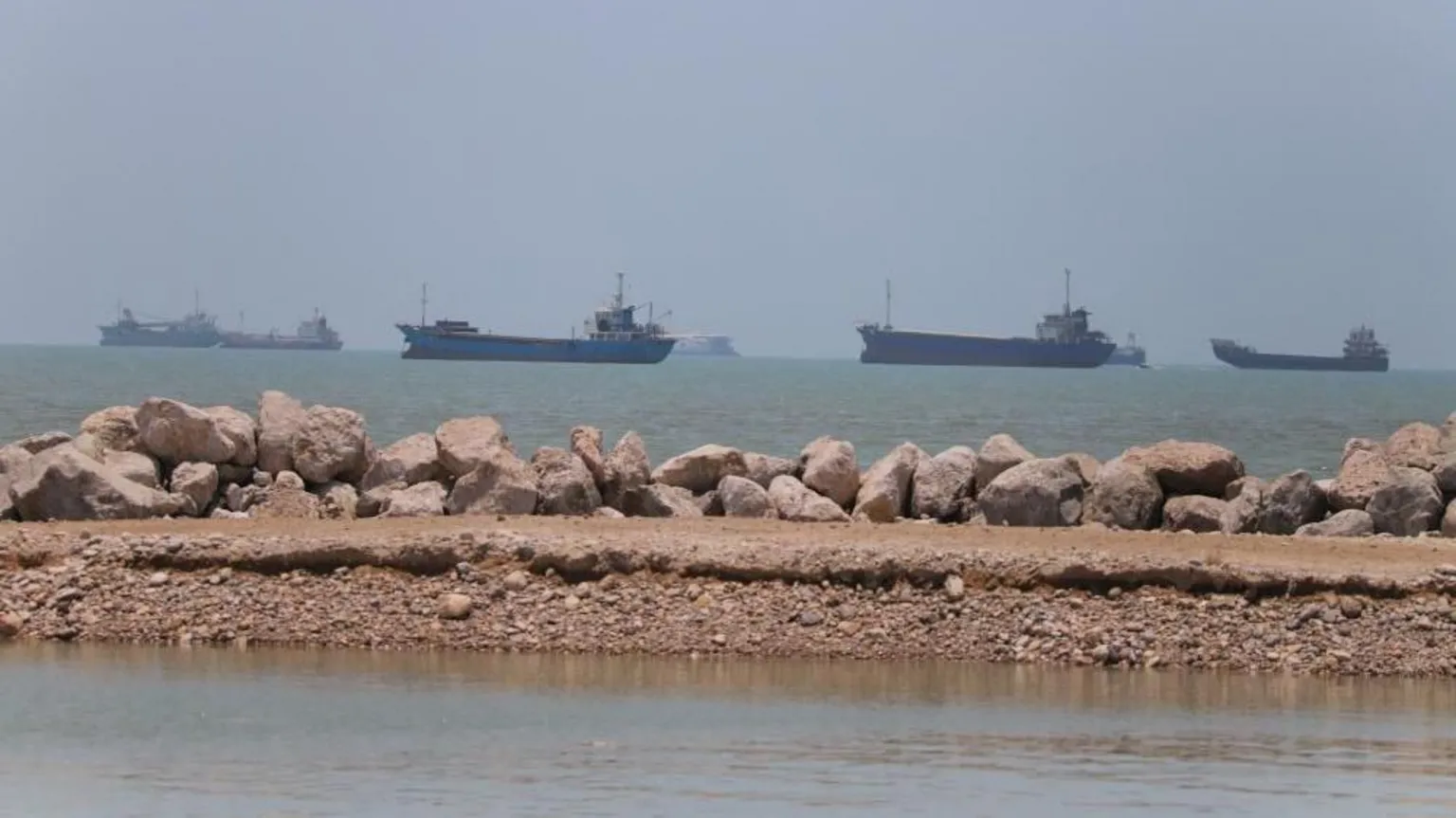
The US has dropped its naval blockade of Iran after the two countries signed a deal to end the war in the Middle East.
US Central Command confirmed the end of the blockade on X “in accordance with the President’s direction”, and said some US vessels would remain “in the general area”.
Soon afterwards, Iran’s Supreme Leader Mojtaba Khamenei said he had approved the deal with the US despite having a “different view”, without elaborating. He said he allowed it to go ahead after assurances from Iran’s President Masoud Pezeshkian that he would “protect the rights of the Iranian nation”.
Khamenei said President Trump had “out of desperation, used all kinds of leverage” to bring the deal about.
The supreme leader said that while there would be “in-person negotiations in the future” between Tehran and Washington, this “will not mean acceptance of the enemy’s position”.
This is the first time Khamenei has responded to the agreement. He has not been seen in public since he took office in March following the killing of his father and predecessor, Ayatollah Ali Khamenei, in the 28 February US-Israeli strikes on Iran that sparked the regional war.
Trump did not directly respond to Khamanei’s statement, but posted on Truth Social that he expects a ceasefire to take effect “on all fronts”, including between Israel and Iran-backed Hezbollah in Lebanon, and that he expects countries in the Middle East to “maintain their commitment to allowing our negotiations” to take place.
The US-Iran deal centres around 14 core points, including the reopening of the Strait of Hormuz, a requirement that Iran should never have a nuclear weapon, and a commitment to a $300bn (£227bn) fund for the “reconstruction and economic development” of the country – although the US is not required to contribute.