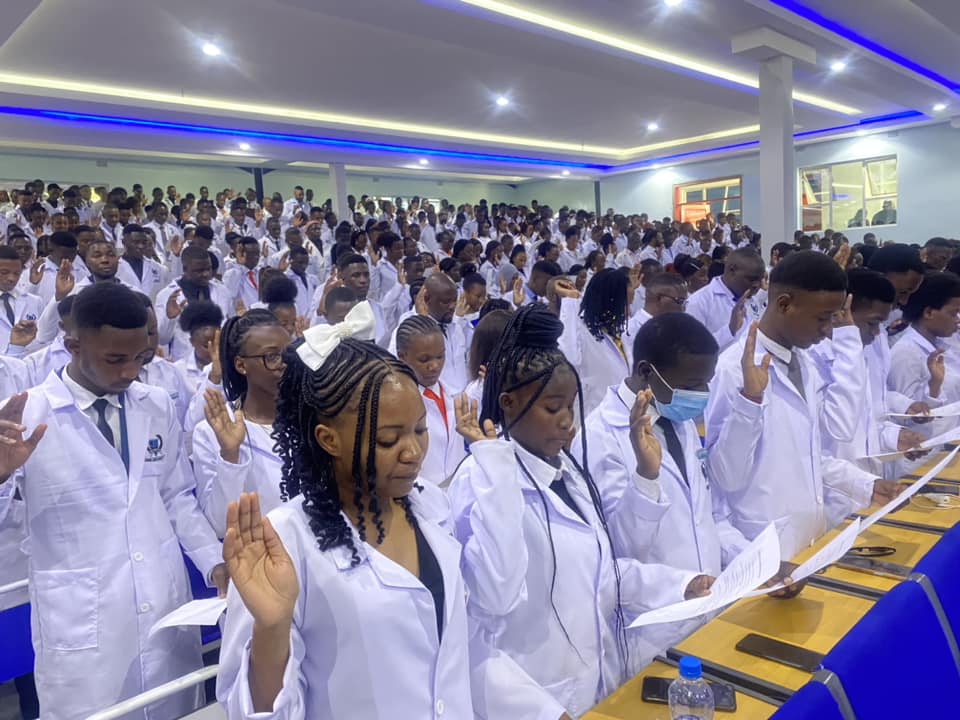
The Medical for Quality Healthcare in Zambia (MQHZ) has proposed a new approach to reform the employment of medical doctors through the introduction of paid, contract-based internships for Junior Resident Medical Officers.
In a statement issued in Lusaka on Monday, MQHZ Director General, Dr. Quincy Mwabu, said the proposal sought to address longstanding challenges in doctor employment, workforce planning and sustainability within the public health system.
Mwabu said under the proposed model, all junior doctors undergoing internship would be employed on fixed two-year contracts covering the full duration of their internship training.
He said during this period, doctors would receive a monthly salary and operate under clearly defined terms of service, recognising the essential clinical services they provide while maintaining the primary purpose of internship as supervised training.
“This approach directly responds to concerns around unpaid or poorly structured internships, which have left many medical graduates underemployed or working voluntarily without pay,” Mwabu said.
MQHZ stated that the model was designed to prepare doctors for professional success both within and outside the public sector, enabling them to thrive with or without government employment or support.
Mwabu said by earning a salary during internship and completing structured clinical training, doctors would be better equipped to pursue diverse career pathways, including government employment where positions exist, private medical practice, specialisation and healthcare entrepreneurship.
He added that the establishment of predictable, time-bound internship contracts would create continuous and guaranteed entry points for newly graduated doctors each year.
Read More: Body urges government to fast-track recruitment of 2,500 health workers
“This will eliminate the prolonged post-graduation waiting periods and preventing the accumulation of unemployed medical graduates seeking internship placement,” Mwabu said.
He said the model would also ensure that graduates remained productive, financially supported and professionally prepared, rather than remaining idle while awaiting opportunities.
Mwabu further said the proposal aimed to reduce long-term pressure on the government wage bill by limiting public payroll commitments to the training period only.
“This allows the government to recruit doctors strategically based on national health needs and available resources, while encouraging private sector participation and innovation in healthcare delivery,” he said.
MQHZ emphasised that the proposed reform would not affect doctors already on permanent government employment.
“The organization has called on the Government and other stakeholders to engage in constructive dialogue on the proposal, noting that collaborative reform was essential to modernizing medical training, protecting healthcare workers, and improving health outcomes for all Zambians,” he said.
WARNING! All rights reserved. This material, and other digital content on this website, may not be reproduced, published, broadcast, rewritten or redistributed in whole or in part without prior express permission from ZAMBIA MONITOR.