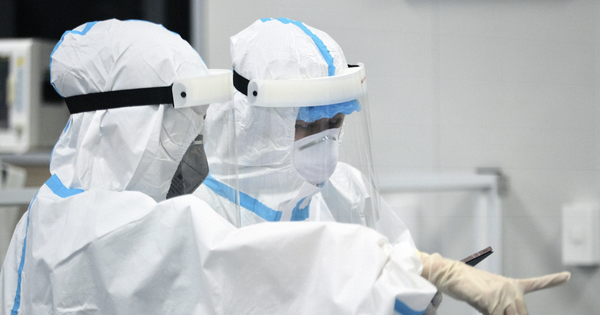
Medical staff at a hospital treating COVID-19 patients in Hanoi, Vietnam in 2022. Photo: Nam Tran / Tuoi Tre
According to official updates from WHO and the U.S. CDC, BA.3.2 is classified among variants under monitoring, the Vietnam Administration of Disease Prevention under the Ministry of Health said on Sunday.
WHO assessments show the variant poses a lower public health risk than currently circulating Omicron lineages.
The variant was first identified in South Africa on November 22, 2024.
Available data indicate the new variant has some changes in antigenic properties and immune evasion in laboratory conditions.
However, there is no evidence that it increases disease severity, hospitalizations, or deaths.
WHO also said existing COVID-19 vaccines remain effective in preventing severe illness and death.
In response, the health ministry said it will continue to closely monitor global pandemic developments and circulating variants.
It has instructed the preventive health system, medical facilities, and relevant units to maintain surveillance, ensure early detection, assess risks, and remain ready to respond when necessary.
The ministry advised the public not to panic but not to be complacent.
People are urged to monitor their health, maintain personal hygiene, and seek medical care if they develop suspicious signs, especially older adults, those with underlying conditions, pregnant women, and other high-risk groups.
COVID-19 symptoms include fever, cough, sore throat, runny nose, body aches, fatigue, loss of taste or smell, headache, and difficulty breathing.
According to the WHO, most people infected with SARS-CoV-2 typically experience mild to moderate respiratory illness and recover without special treatment.
However, some patients may develop severe illness and require medical care.
Older adults and people with underlying diseases such as cardiovascular disease, diabetes, chronic respiratory disease, or cancer are at higher risk of severe outcomes.
Anyone can contract COVID-19 and become seriously ill or die at any age.
The best way to prevent and slow transmission is to stay informed about the disease and how it spreads.
People are advised to keep at least one meter of distance from others, wear well-fitting masks, and regularly wash their hands or use hand sanitizer.
They are also encouraged to get vaccinated when eligible and follow guidance from local authorities.
According to a WHO report released in November 2025, nearly 780 million COVID-19 cases and more than 7.1 million deaths have been officially reported worldwide since December 2019, although the actual toll is believed to be higher.
In Vietnam, where COVID-19 was first detected in January 2020, the health ministry reported 41,477 COVID-19-related deaths as of March 15, 2022, the same day the country reopened to international tourists after earlier success in containing the pandemic.