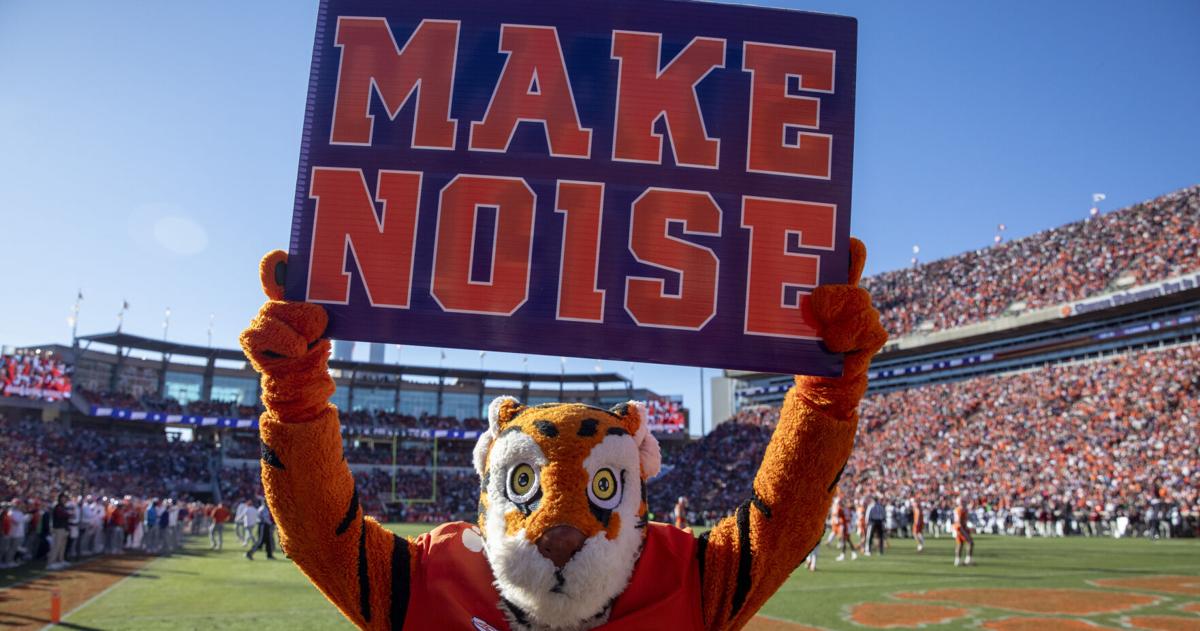
There was this really bizarre moment at Wednesday’s Senate hearing on a bill to let USC and Clemson and South Carolina’s other football colleges hide how much money they’re paying players — and along with it all the conditions the schools are placing on these professionals (i.e., people paid for their services) they euphemistically refer to as “student athletes.”
Actually, there were a lot of bizarre moments, but this one highlighted how very different this bill is from all the other bills the Legislature is debating this year.
In early January, you might recall, House leaders introduced H.4902 on a Wednesday, held a quickie debate and gave it key approval on Thursday, then gave it an automatic final reading on Friday, when lawmakers had returned home. It was the fastest it’s procedurally possible for the House to pass a bill, and it’s something that almost never happens except with single-county bills. Which this most assuredly was not.
Scoppe
H.4902 came to a screeching halt when it arrived in the Senate, which prides itself on being the “deliberative body.” And this is a huge point of pride, sort of like the Dallas Cowboys calling themselves America’s team.
In the Senate, the bill would go through the regular process: It would be sent to a subcommittee, where the public is invited to testify, then there would be a debate and vote, then another debate and vote in the full committee, and then it would go to the Senate (or the House, had it not skipped over all the preliminaries in the House) for the debate and vote, weeks or even months after it arrives.
There wasn’t a lot of question about the ultimate outcome, but at least the bill would get aired out.
Except it didn’t happen that way. There was no subcommittee meeting, no public testimony. Instead, the Senate Education Committee posted a notice inviting people to submit written testimony. When committee members filed into the meeting room, they were greeted by notebooks that included the testimony.
A committee staffer gave her very brief summary of the arguments; she made no effort to hide her hostility toward the critics’ position and in fact served as the chief advocate for the legislation. I’ve never seen anything like it in nearly four decades of covering the Legislature.
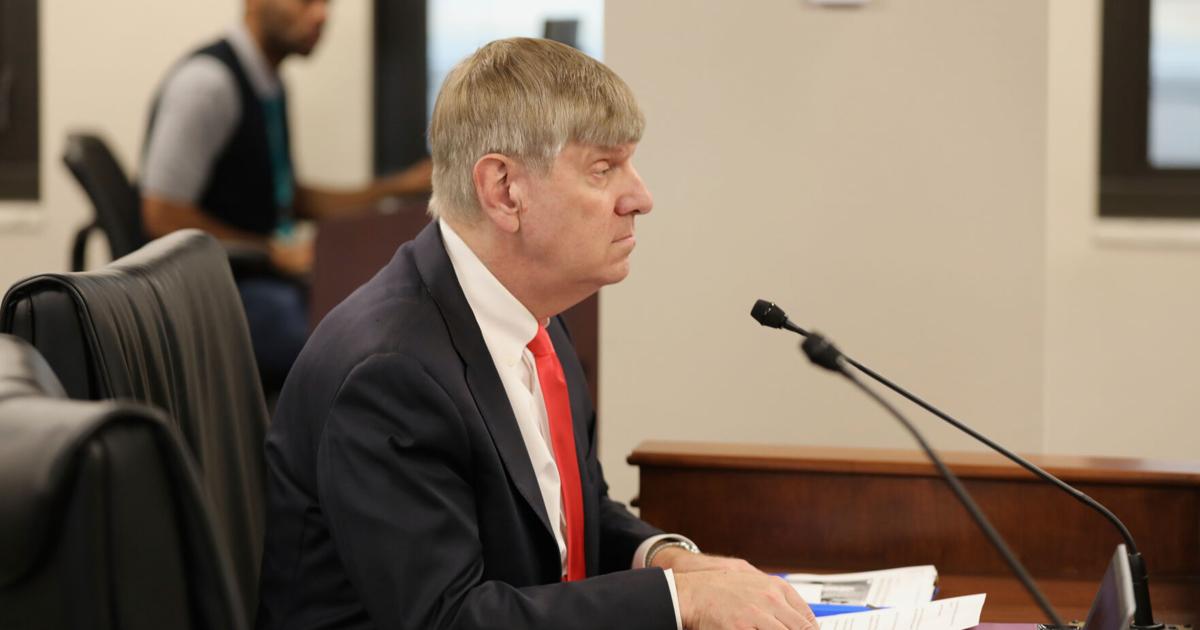
Sen. Richard Cash hasn’t been around nearly that long, but he clearly hadn’t either. While the staffer was spinning the opposition, he was reading the written comments. Then he asked rhetorically: “Did we have a subcommittee meeting? This (meeting) appears to serve as our subcommittee. I mean, was there a subcommittee on this?”
And here’s the bizarre, even surreal, moment: Senate Education Chairman Greg Hembree, who’s one of the most open and honest legislators I know, answered, with no apparent irony: “We haven’t, but we are having a committee hearing on it, which demonstrates that we are the deliberative body. We will retain that status, even without a full subcommittee.”
What was that about the gentleman protesting too much?
Yes, of course, this is incredibly deliberative. And open. Compared to the House.
Is that really the standard by which senators want to be measured?
It all raises the question: What’s the rush?
The House claimed it couldn’t be bothered with its usual process because Circuit Court Judge Daniel Coble had scheduled a hearing days later during which he could have required USC to turn over copies of its revenue-sharing contracts with football players, with the names redacted. But Judge Coble cancelled that hearing after the House vote and put the lawsuit seeking name-redacted information on hold so the Legislature could rewrite the law … if the Senate decided it wanted to go along with the House … which to be fair it on occasion does. This also would be bizarre if we lived in a state where the Legislature doesn’t demand judicial “respect.”
So, lacking a reason to hurry, what are senators afraid of hearing?
Well, maybe they’d hear the answer to Sen. Luke Rankin’s question: Who will be harmed if this information isn’t made public?
No one who was allowed to speak could imagine a possible answer, except maybe those newspaper people who just have this fixation against government keeping secrets.
But Frank Heindel, the Mount Pleasant businessman who filed the lawsuit seeking the name-redacted information, says the players could be hurt. Give him the normal three minutes to testify, and he might tell the panel about indications, from the skimpy information Judge Coble already has ordered released, that players can be forced to pay back every penny they’ve been paid — and more — if they get suspended for, oh, being seen at a bar with their friends. Or if they get injured because their teammates didn’t cover them during a play. He might note that there’s some sort of nondisclosure agreement that could claw back money from students who dare to tell their agent what they’re making.
Mr. Heindel might also have been able to explain how he came up with what the panel seemed to consider a bizarre legal theory: that the money universities get from ticket sales and TV rights is “public money” rather than “private money,” as athletic departments have always — wrongly — insisted. It’s actually a sky-is-blue assertion to say any money in public coffers is, by definition, public money. That goes for revenue from football tickets, TV rights or … tuition. As our respected former attorney general, Gov. Henry McMaster, told reporters Tuesday, those private funds “become the university’s funds, public funds” and “you can’t have secret money like that in a public institution.”
Not to worry: The Senate staffer assures us that our colleges will be required to report the aggregate amount they’re paying players each year. Of course, we already know that. The NCAA capped player salaries at $20.5 million per institution per year, and you can be sure that no respectable football college will spend a penny less of its legislatively secreted public money.
Click here for more opinion content from The Post and Courier.