Diwali, or Deepavali, is a celebration of light, family, new beginnings and, of course, sweets. Across India, homes come alive with glowing lamps, colourful decorations, prayers and festive delicacies. Preparing and exchanging mithai remains one of the most cherished traditions. A box of homemade sweets is more than a gift; it is a gesture of affection, hospitality and good wishes.
Diwali takes its name from the Sanskrit words deepa, meaning lamp, and avali, meaning a row. The festival symbolises the triumph of light over darkness and good over evil. While customs vary across India’s regions and communities, the spirit of togetherness and renewal is universal.
Indian sweets are an integral part of festive celebrations. From laddoos and barfis to jalebis and kaju katli, every region has its specialities. Among these, peda holds a particularly special place.
A little about peda
Peda, also spelt pedha or pera, is a traditional Indian milk sweet believed to have originated in Mathura, Uttar Pradesh. Traditionally made by slowly reducing milk into khoya or mawa, combining it with sugar and flavourings, and shaping it into small rounds, peda has evolved into numerous regional variations.
One of the most celebrated is Dharwad peda from Karnataka, known for its distinctive brown colour and rich, caramelised milk flavour.
A few simple ingredients can produce wonderfully different results. Saffron lends floral fragrance, cardamom adds warmth, and longer cooking transforms the mixture into a deeply caramelised treat.
This Diwali, I am sharing three variations, each with its own character, flavour and texture.
Three pedas, three personalities
The saffron peda is fragrant and elegant, with a soft, creamy bite. Classic milk peda is comforting and nostalgic, allowing the richness of milk and cardamom to shine. Brown peda is the boldest, with caramelised milk notes, a slightly grainy texture and a delicate sugary crunch.
Together, they make a beautiful festive assortment with something for every palate.
1. Saffron peda
Makes approximately 20–24 pedas
Delicate, fragrant and beautifully golden, saffron peda is perhaps the most festive of the three. Saffron lends floral notes, while cardamom adds gentle warmth. A scattering of pistachios or almonds provides a lovely crunch against its creamy texture.
Condensed milk and milk powder make this a convenient recipe for busy festive kitchens without compromising on flavour.
Ingredients
1 can (400 g / 14 oz) sweetened condensed milk
2 cups milk powder, plus up to ¼ cup extra if needed
1 tablespoon ghee or unsalted butter
A few strands of saffron
2 green cardamom pods
½ cup finely chopped or crushed nuts (pistachios, almonds or cashews)
A little extra ghee for greasing your hands
Method
Remove the cardamom seeds and crush them finely using a mortar and pestle or rolling pin. Set aside.
In a heavy-bottomed, non-stick pan, combine the condensed milk, milk powder and tablespoon of ghee. Stir until smooth and lump-free.
Cook over low heat, stirring continuously. Scrape the bottom and sides regularly to prevent sticking or scorching.
As the mixture thickens, it will begin to pull away from the sides of the pan. Continue cooking until it forms a soft dough that holds its shape. This takes approximately 8–12 minutes.
Remove from the heat and stir in the saffron strands and crushed cardamom.
Transfer to a lightly greased plate and cool until comfortably warm.
Grease your palms with ghee and divide the mixture into 20–24 equal portions.
Roll each portion into a smooth ball. Press gently in the centre with your thumb and fill with crushed nuts.
Cook’s tips
Keep the heat low to prevent the milk solids from scorching.
Shape the pedas while the mixture is still warm; it firms up as it cools.
If too soft or sticky, knead in a little reserved milk powder.
If too dry or crumbly, add warm milk a teaspoon at a time.
For extra saffron flavour, soak the strands in a teaspoon of warm milk before adding.
Store in an airtight container in the refrigerator and enjoy within 5–7 days.
2. Classic milk peda
Makes approximately 20–24 pedas
Sometimes the simplest sweets are the most satisfying. Classic milk peda celebrates the rich, comforting taste of milk, with gentle sweetness, a creamy texture and a hint of cardamom.
Soft yet slightly firm, it is a nostalgic favourite. Chopped pistachios or almonds add colour and texture, but the peda is equally delicious without garnish.
Ingredients
1 can (400 g / 14 oz) sweetened condensed milk
2 cups milk powder, reserving ¼ cup for adjusting consistency
1 tablespoon ghee or unsalted butter
2 green cardamom pods
½ cup finely chopped pistachios, almonds or cashews (optional, for garnish)
A little extra ghee for greasing your hands
Method
Remove the cardamom seeds and crush them finely. Set aside.
In a heavy-bottomed, non-stick pan, combine the condensed milk, approximately 1¾ cups milk powder and ghee. Mix until smooth and lump-free.
Cook over low heat, stirring continuously and scraping the bottom and sides regularly.
Continue stirring until the mixture thickens into a soft dough and begins to leave the sides of the pan. This takes approximately 8–12 minutes.
Remove from the heat and stir in the crushed cardamom.
Transfer to a lightly greased plate and allow to cool until warm enough to handle.
Grease your palms with ghee and divide the mixture into 20–24 equal portions.
Roll each portion into a smooth ball and gently flatten into a traditional peda shape. Make a small indentation in the centre with your thumb and decorate with chopped nuts, if desired.
Cook’s tips
The mixture should be soft and pliable, neither sticky nor dry.
If too soft, gradually knead in some reserved milk powder.
If crumbly, add warm milk a teaspoon at a time until the dough comes together.
Shape while warm, as the mixture firms up on cooling.
Avoid overcooking, as this makes the peda darker and firmer.
Store in an airtight container in the refrigerator and enjoy within 5–7 days.
3. Brown peda – Dharwad-inspired
Makes approximately 25 small pedas
If the saffron peda is delicate and the milk peda comforting, brown peda is the bold one of the family!
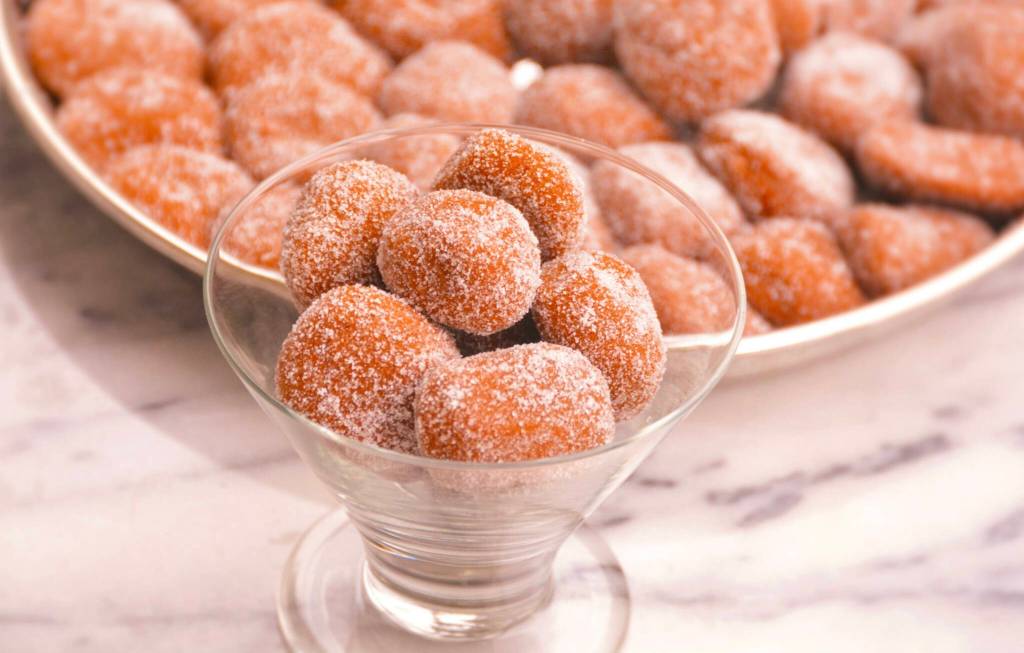
Inspired by the famous Dharwad peda from Karnataka, this variation celebrates the magic of caramelisation. Longer cooking transforms the milk mixture from pale yellow to deep brown, developing a rich, roasted-milk flavour with notes of caramel and toffee.
Its slightly grainy texture and light coating of crushed sugar create a lovely contrast between the soft centre and delicate crunch.
This is my convenient, home-style version, inspired by the traditional sweet and made with condensed milk and milk powder.
Ingredients
3 cups milk powder
1 cup sugar
½ cup milk
1 can (396 g / 14 oz) sweetened condensed milk
½ teaspoon ground cardamom
A pinch of saffron strands (optional)
½ cup melted ghee or unsalted butter
Finely crushed granulated sugar, for coating
Method
In a heavy-bottomed, non-stick pan, combine the sugar, milk, milk powder, condensed milk and cardamom powder. Mix thoroughly to form a smooth, lump-free paste.
Cook over low heat, stirring continuously and scraping the bottom and sides to prevent scorching.
After approximately 5 minutes, the mixture will thicken. At this stage, you can stop cooking, cool and shape it into pale milk pedas.
For the characteristic brown peda, continue cooking over low heat for another 12–15 minutes, stirring continuously. The mixture will gradually change from pale yellow to golden and eventually caramel brown.
Add the melted ghee gradually, stirring until incorporated and the mixture begins to leave the sides of the pan. It should be thick and cohesive.
Turn off the heat and allow to cool until comfortably warm.
Lightly grease your hands and gently knead the mixture until smooth.
Divide into approximately 25 equal portions. Roll each into a small ball, about 1 inch in diameter, and flatten slightly if desired.
Spread the crushed sugar on a plate and roll each peda in it until lightly coated.
Cook’s tips
Keep the heat low to prevent scorching and bitterness.
Stir continuously, especially as the mixture thickens. The colour can change quickly in the final minutes.
Look for a deep golden-brown colour rather than relying entirely on cooking time.
Allow the mixture to cool sufficiently before shaping, but not completely, as it will become difficult to knead.
Crush large sugar crystals slightly for a delicate coating rather than a thick crust.
Store in an airtight container in the refrigerator. Bring closer to room temperature before serving for the best texture and flavour.
Diwali is, after all, about sharing. A homemade box of peda, offered to friends, neighbours and family, is a small but meaningful way of carrying forward a beautiful Indian tradition. Perhaps that is the sweetest part of the festival: the memories we create, one little sweet at a time.
Recipe-testing note: Cooking times are estimates, not fixed rules. For the saffron and milk pedas, stop when the mixture is soft and pliable. For the brown peda, continue cooking until the deeper caramel colour develops. This distinction is essential to achieving three genuinely different results.
Reshma Seetharam is a food writer, recipe developer and passionate home cook who celebrates Indian cuisine, traditional recipes and baking through her food blog.
Website: reshmaseetharam.com
Instagram: instagram.com/reshmaseetharam
Facebook: facebook.com/reshmaseetharam