Recent news about the United Way of Greenville County reevaluating its grant-making process has raised concerns in the local nonprofit and philanthropic community.
Many organizations have come to rely on funds raised through employee-giving programs orchestrated by their local United Way and are uncertain how they will absorb or offset the shortfalls in their already-lean budgets. Foundations and other philanthropic funders, meanwhile, are assessing the nearly $3 million gap left by United Way’s absence of a 2027 grant cycle.
It’s a problem we’ve seen across South Carolina as local United Way organizations have changed their grant-making processes.
The announcement also reflects an uncomfortable truth that nonprofits throughout our state have been feeling for years: What were once understood to be reliable streams of funding, including sources such as United Way and government grants, have grown more precarious. Yet U.S. charitable giving continues to hit record highs. Alternative sources of funding are out there, but where and how can nonprofits access them?
Every year, billions of dollars sit quietly in charitable giving accounts called donor-advised funds — money already set aside for good, already separated from donors’ personal finances, already intended for organizations doing crucial work in our communities. And yet, much of it waits.
Nonprofits continuously scramble for funding while countless donors with these philanthropic accounts don’t know how, when or where to direct their money to have an impact. The key is informing both donors and nonprofits how to effectively extract the full potential of what’s available.
DAFs are one of the fastest-growing and least-understood mechanisms in American charitable giving. The concept is straightforward: A donor contributes money or assets to a sponsored account (such as through Fidelity, Schwab, Vanguard or a community foundation), receives an immediate tax deduction and then recommends grants (officially executed by the sponsoring organization) to nonprofits on the donor’s preferred timeline.
Think of it as a philanthropic savings account that lets you give to the fund when it’s financially smart for you and then make charitable distributions when it’s most meaningful to the causes you care about.
From a donor’s perspective, donor-advised funds are both practical and profound. For example, a donor who contributes appreciated stock or real estate to a DAF simultaneously avoids capital gains taxes and directs the full value of that asset toward charity. Instead of rushing to meet tax deadlines, donor-advised funds allow donors more time to research organizations, consult family members and give with genuine intention. They have the potential to make giving not only more convenient for donors but also more effective for nonprofits.
For nonprofits, these funds represent an enormous and largely untapped source of funding. The most recent national data gathered reveals that almost $328 billion sat in the accounts awaiting distribution to the community at the end of fiscal year 2024.
Additionally, DAF donors tend to be more committed, more strategic and more likely to become long-term partners than one-time givers. And unlike foundation grants, donor-advised fund gifts often come with fewer restrictions, allowing organizations the flexibility to direct dollars where they’re needed most.
The funds present a great opportunity for nonprofits, but one of the crucial problems preventing nonprofits from capitalizing is that many organizations are still in the process of developing a comprehensive strategy to reach these donors. Unlike private foundations, traceable via 990-PF tax return filings, DAFs often issue anonymous grants, which hinders a nonprofit’s ability to build donor relationships.
This disconnect is costing communities real money. Fortunately, the fix is not complicated.
Donors: Tell the organizations you support that you have a donor-advised fund and ask how to direct grants to them. Better yet, open your account through a local community foundation or consult a database of nonprofits to open your eyes to all the giving possibilities. And resist the temptation to treat your fund as a permanent parking lot; set a rhythm for distributing grants and stick to it. The money was always meant to move and make an impact. Your community needs you now.
Nonprofits: The work is equally straightforward. First, ensure crucial information on donor-advised-fund giving is easy to find online for potential donors. Build relationships with sponsoring organizations such as your local community foundation. Lastly, treat all your DAF donors as the major gift prospects they likely are.
The money is already set aside. The causes are already worthy. With meaningful conversation and a little extra effort on both sides, donor-advised funds offer a viable funding option that can help our nonprofit community fill the gap left by traditional funders.
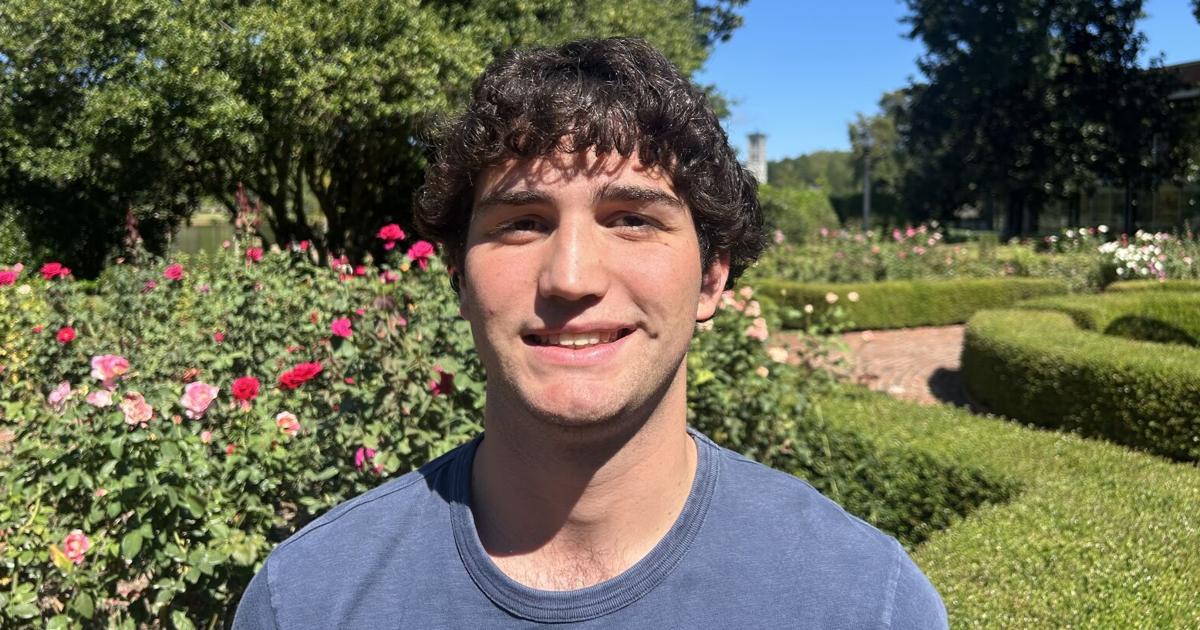
Ben Thompson is a senior at Furman University, majoring in politics and international affairs and Spanish. This summer, he participated in The Riley Institute’s RISE internship program, where he studied the philanthropic landscape.