Nestled among tall pines and blooming azaleas, Summerville, fondly known as the “Flower Town in the Pines,” began as a retreat for Charleston’s affluent residents seeking relief from heat and disease. Over time, it evolved into a cherished historic town recognized for its rich culture and resilience.
During the late 1800s and early 1900s, Summerville became famous for its fresh, pine-scented air and developed a reputation as a leading health destination for those suffering from respiratory issues and throat ailments. Luxury inns, such as Pine Forest—along with various boarding houses—attracted affluent visitors who traveled by railroad to experience the town’s beauty and enjoy its restorative community. The arrival of the railroad transformed Summerville into a thriving commercial center, shaping the enchanting downtown we admire today.
Notable figures in Summerville’s history include Catherine “Kitty” Springs, a pioneering entrepreneur who established St. Barnabas Mission during the Jim Crow era, focusing on education and health for the African American community. Dr. Charles Shepard, known for his innovations in tea cultivation at Pinehurst Tea Plantation, also played a significant role in the town’s recognition.
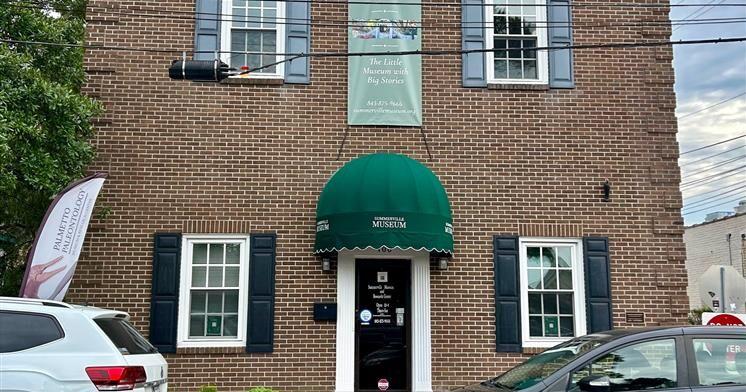
The museum’s location is rich in history; it was once owned by the Eagle Creek Lumber Company from 1923 to 1928 and later served as the Town of Summerville’s Water Department from 1930 to 1951. The preserved brick facade of the original one-story building in the museum lobby stands as a testament to its historical significance. The community’s effort to transform the building into a museum began in 1991, led by a group of concerned citizens under the guidance of Robert Pratt. The museum officially opened to the public in 1992 and has since undergone ongoing renovations and exhibit installations that have enhanced its status as a historical gem.
The museum features permanent and rotating exhibits that explore early settlement, military history, local art, and artifacts. It also offers programs for all ages, including an ongoing lecture series, Kids Club program, special events and historic walking tours to engage the community and inspire appreciation for Summerville’s rich past.
The museum is dedicated to remembering, safeguarding, preserving and celebrating the history of the town. It’s
managed by a small but dedicated group of passionate volunteers. Their work can also be seen in the gardens that feature tea plants as an homage to Summerville’s tea heritage and the craftsmanship of Black brick masons.
As Summerville continues to grow and change, the Summerville Museum and Research Center is committed to preserving the stories of the past and inspiring future generations to value the rich heritage.