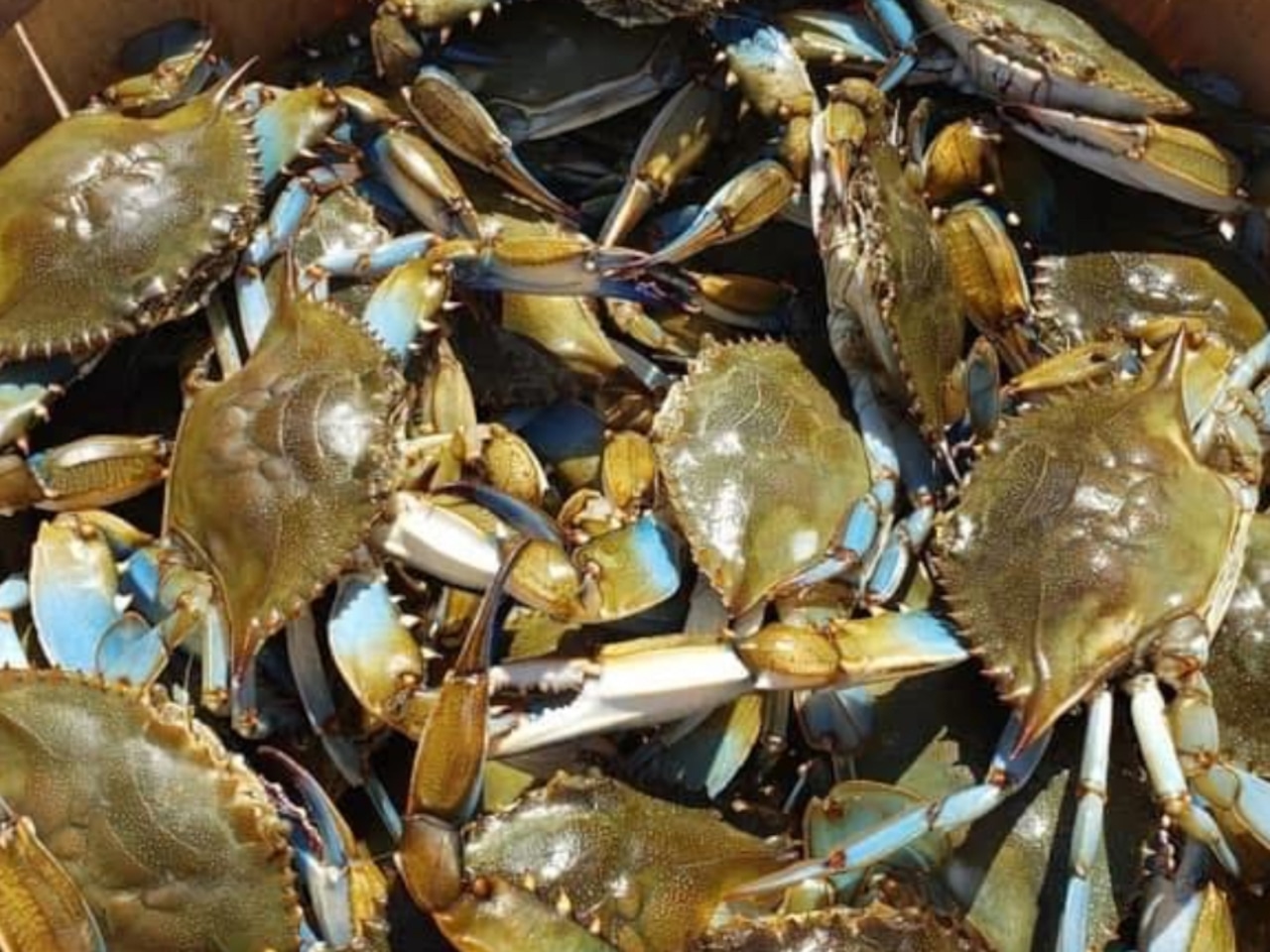
Where have all the Chesapeake Bay blue crabs gone?
That’s what researchers are asking in the region — and so too may be diners.
With crab season underway, an annual survey of Bay crabs shows the crab population is at its second lowest level since the report was first released in 1990.
Some contend the Old Bay-encrusted summer treat may cost you more and researchers say the results are troubling for the Chesapeake Bay ecosystem.
“The latest blue crab numbers are extremely distressing,” says Chris Moore, executive director for Virginia for the Chesapeake Bay Foundation, which produced the survey.
“Blue crabs are a staple on our plates, in our water, and in our culture. We must protect them in order ensure their important role in the Chesapeake Bay ecosystem and preserve sustainable harvests for the most valuable commercial fishery in the Bay. ”
While some crab outlets in Maryland are reporting difficulties getting crabs, one of the biggest suppliers in central Pennsylvania says he’s “moving quite a few crabs.”
Curt Engle, a crab buyer for Harbour House in Harrisburg, who’s been in the business for 25 years, says the annual dredge survey may not present a complete picture since it looks at younger crabs that spend the winter in the sandy bottom and are easy prey, not the mature, “saleable” crabs.
And, he said, so far, the region’s beloved crustaceans are selling for about the same price they did last year, from $55 to $179 a dozen, depending on the size.
The most recent survey found there are 238 million crabs in Bay, a 25% drop over the prior year and significantly under the long term average of 400 million crabs.
Researchers point to a rise in invasive predators such as blue catfish and the decline in sea grasses, pollution and fluctuating water temperatures for the decrease. They say several cold snaps last winter may have affected crab numbers too.
They say that one bad year can spell a decline, but since crabs only live about two years, the numbers can turn around quickly.
Nevertheless, the Foundation is calling on the federal government to maintain full funding for clean water initiatives that protect crab habitats and for Maryland and Virginia to consider further protections for the species.