Former LSU guard RJ Luis plans to sue the Southeastern Conference for breaching a Baton Rouge court order that ruled him eligible to play for the Tigers this season, his attorney told ESPN on Monday.
Tony Clayton, Luis’ attorney, didn’t reveal the amount he’d be suing for, but told ESPN that it would be “a large number.” He also told the network he plans to depose every SEC President and has sent “preservation” letters probing for evidence of a league-wide boycott of the school over its decision to play Luis.
“If they acted in collusion with (SEC Commissioner Greg Sankey),” Clayton said to ESPN, “then let the chips fall where they may.”
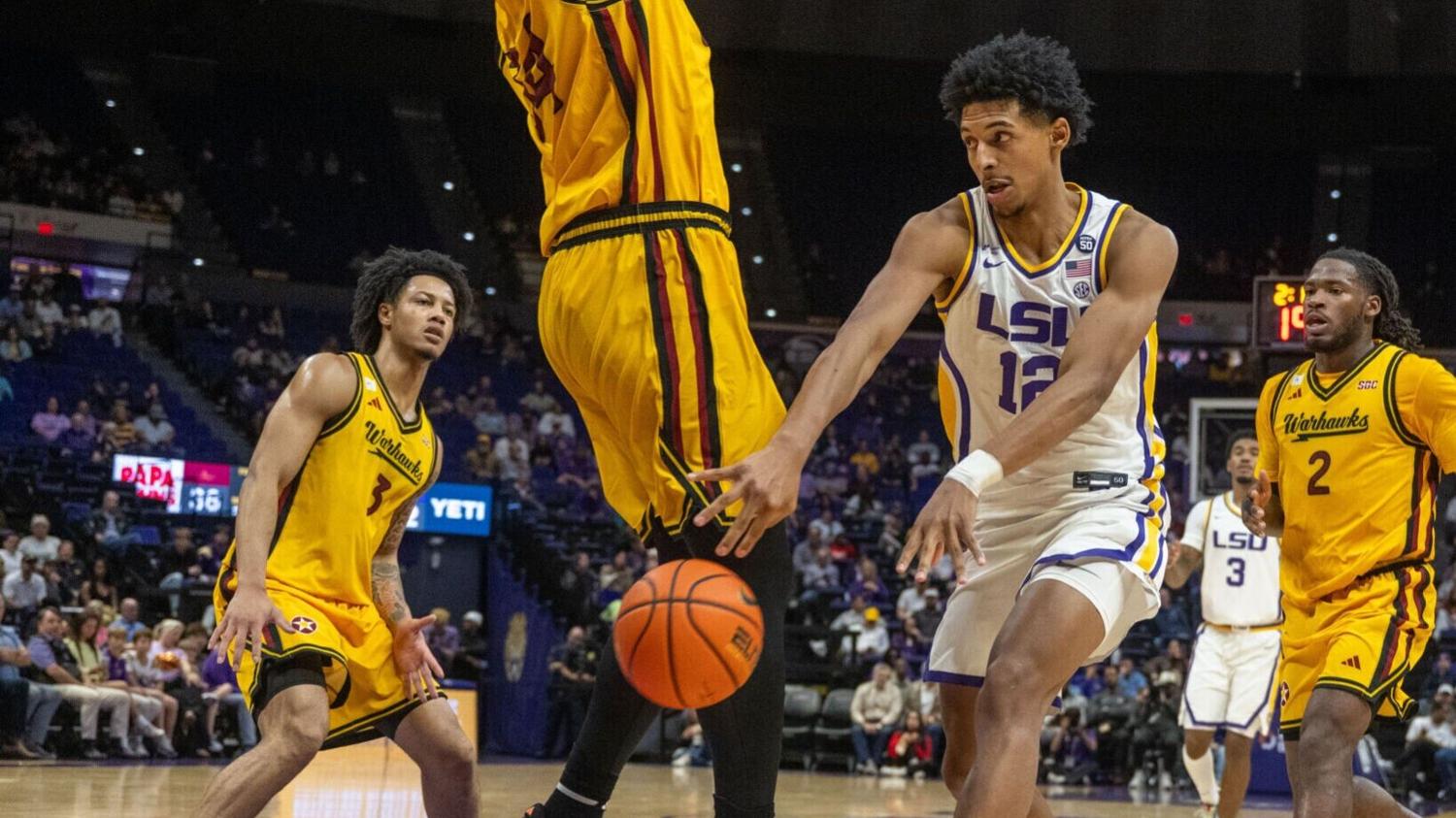
Luis only played one game for LSU, scoring 11 points in 15 minutes against Louisiana-Monroe on Wednesday in his return to college basketball from the NBA. But a day after his LSU debut, LSU President Wade Rousse released a statement declaring that he directed LSU coach Will Wade to no longer play Luis.
The preliminary injunction granted to Luis on Nov. 13 provided LSU the legal cover to play Luis, despite the conference’s separate federal lawsuit against the school over its decision to pursue the former All-American.
The SEC enacted rules in August preventing any member school from adding players who had signed a professional contract in the NBA, WNBA or NFL. Luis played in NBA preseason games and signed a G League contract before returning to college.
On Monday, the SEC revealed in an amended filing in the federal case that it would vote on Dec. 3 on possibly expelling LSU as a member school, a direct result of the university’s decision to roster and play Luis.
Clayton told The Advocate last week that SEC Commissioner Greg Sankey is “not an honorable man,” and that his client had “to fall on the sword for his teammates and his coach and his school.” Clayton also said that Luis decided to end his eligibility fight against the SEC after Rousse’s directive to Wade.
Luis committed to LSU in May and was granted a preliminary injunction in August that ruled him eligible to play. The injunction lasted only a day, as the SEC enacted policies the next day barring professional players from joining any member school.