Murder-suicides, and homicides followed by the attempted suicides of the perpetrators, are more common than many people realize. But they’re still unusual enough that the people left behind often feel alone in their very complex grief.
In Massachusetts, more than 20 people died in combined homicide-suicide incidents each year between 2022 and 2024 — the most recent years for which the state has compiled data.
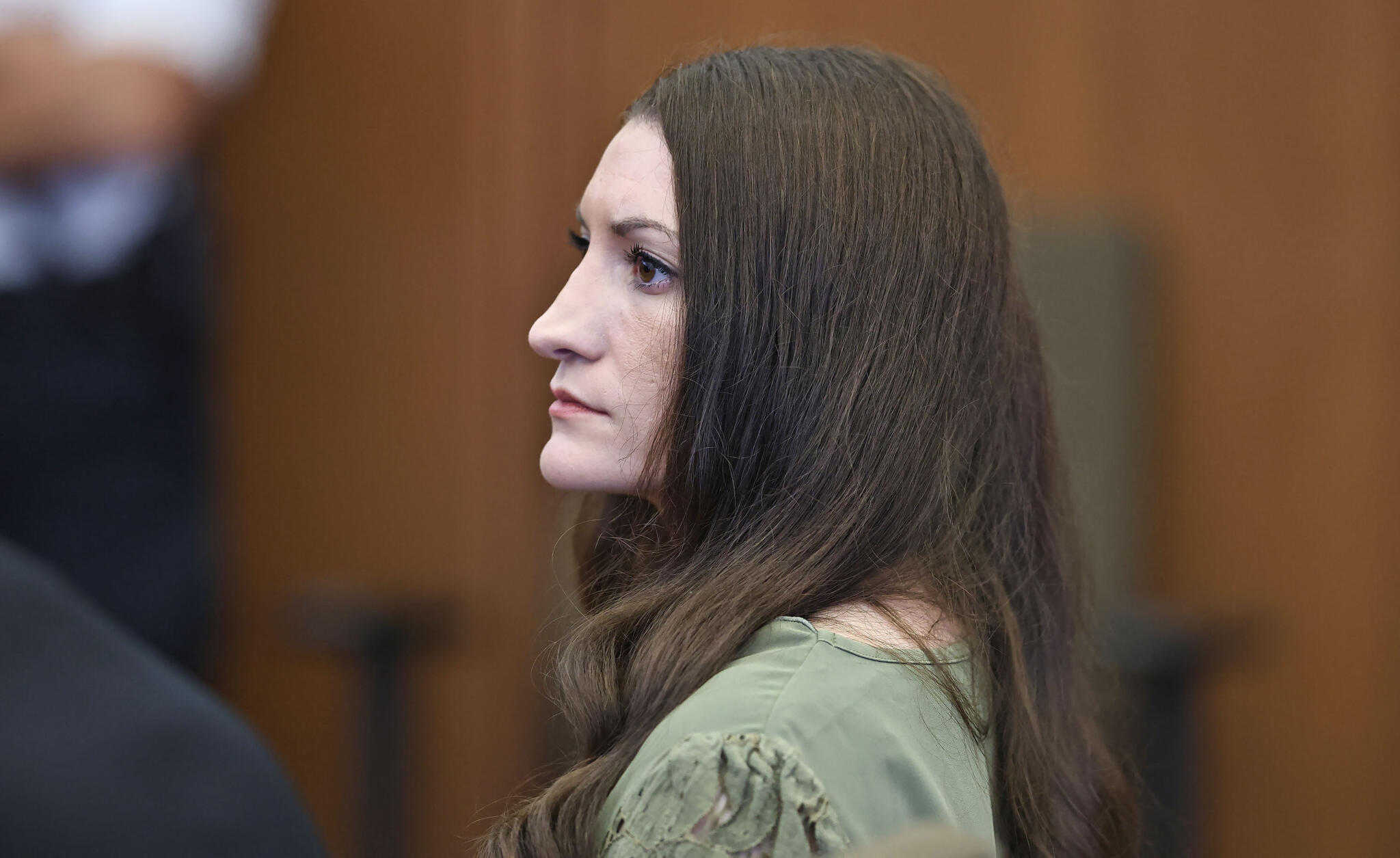
Last month, a Worcester police officer was shot and killed by his wife, who then killed herself. On Friday, a judge declared a mistrial in the case of Lindsay Clancy, who’s charged with murdering her three children at the family’s Duxbury home before trying to take her own life. Her attorney argues she was suffering from postpartum psychosis.
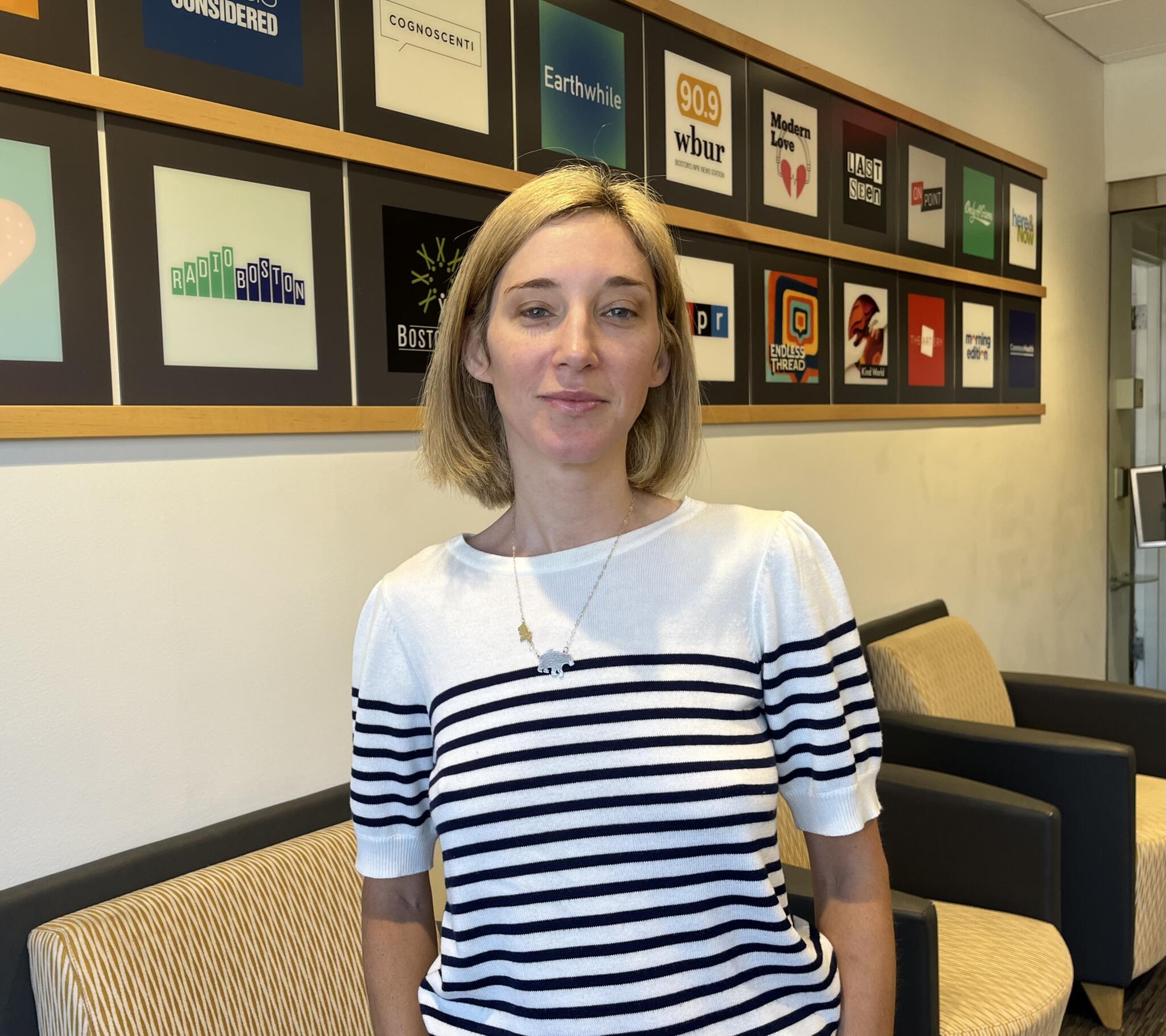
Jenna Howe recently worked with suicide prevention program Call2Talk in Framingham to start a support group for survivors of murder-suicide loss, which she facilitates. Howe’s brother, Adam Howe, killed their mother, Susan Howe, in Truro in 2022.
Jenna Howe facilitates a support group at Call2Talk in Framingham for people impacted by murder-suicide loss. She lost her mother and brother to murder-suicide in 2022. (Lynn Jolicoeur/WBUR)
“I was called by my brother that night, and things seemed off. He suffered from bipolar with schizoaffective disorder, so I wasn’t a stranger to phone calls that seemed odd,” Howe said. “And I kept asking where my mother was, and the story kept changing. So I called the police to do a welfare check. And they found my mother’s body.”
Adam Howe died by suicide in jail two days later.
Jenna Howe told Lynn Jolicoeur on WBUR’s All Things Considered that a dedicated group for people who’ve experienced loss due to a murder-suicide or an attempted homicide-suicide can be an important part of their healing journey.
Highlights from this interview have been lightly edited for clarity.
Interview Highlights
On processing her initial emotions about what had happened:
“The two days in between my mother and brother dying, I was angry. I was so angry with my brother for taking our mother. … I was shocked and heartsick. And I found personally for me that after my brother died, that anger for him went away, and instead I was sad. I was sad that this had happened. I was sad that this is how things culminated. He had been severely mentally ill for a long time. I always knew that there was a possibility that he could hurt himself. … But I did not have any idea that he would hurt our mother, as well.”
On the support she received in the initial weeks after her family members’ deaths:
“My mother had a fantastic community of friends. … And they called me, and they texted me. I was working as a doula, so I had a community of caretaking women. They started a meal train for me. Again, they would text, they would call. And that starts to dwindle down as everyday life goes on for everyone else. But for people who have lost someone in this shocking, tragic, very quick way, time almost feels like it’s stopped.”
On getting to a point where people don’t talk about it:
“That’s how I’ve found it to be, even now, almost four years later. People don’t know what to say to me, so they don’t say anything at all. And they act as if it never happened. I’m in my mom’s community often, and we don’t talk about it — even though they loved her.”
On her desire to get support from and give support to others who’ve been impacted by murder-suicide and attempted murder-suicide:
“The first time I was in a virtual room for murder-suicide loss support was amazing. It was about a month after my losses. I was in a room with about 15 people on my computer. This is a national group [the Murder Suicide Loss Network] that I’m 1788748790 the president of. … And it was relieving to be in a space with people who understood what I went through. Everyone’s story is different, but everyone has been through something similar and can really empathize with the complex emotions.
“Most murder-suicides are intimate partner murder-suicides. My case, it was a family member. Most cases, the people knew each other and were related. So we have these feelings about our loved one who committed a murder, but that person is someone we loved. … I had 34 years on the planet with my brother where he was not a murderer. He was mentally ill. Our lives were tough with that. But he was a person, and he was loved. He had a family. He had a wife and a daughter. He had us.
“My mother, I’m deeply devastated that she was murdered. But I can still love and grieve my brother, and I think that’s the hard part for people who haven’t been through this.”
On why she wanted to lead a support group that’s in-person:
“The most exciting thing about the [new Massachusetts-based] in-person support group is not having a screen between us. We can sit, and we can talk. And we can just share space, and it’s really powerful to be able to say all of those complicated things that most people don’t understand or wouldn’t know how to react to. I think it’s been immensely helpful. We have people who haven’t talked about their losses for 15, 30 years.”
Resources: The support group meets the last Saturday of every month at the offices of Call2Talk in Framingham and is open to anyone from New England who’s been impacted by murder-suicide, including friends and neighbors.
If you or a loved one are in mental health crisis, support is available by calling or texting the Suicide & Crisis Lifeline at 988.