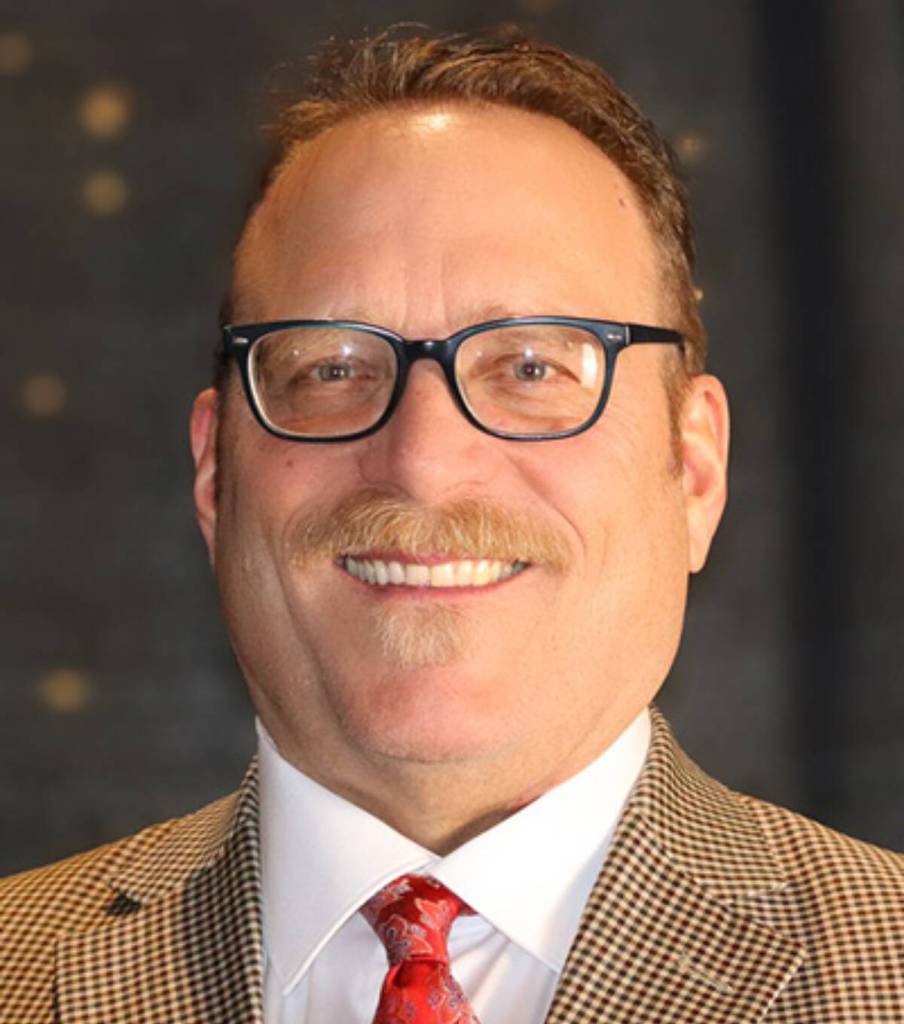
MY TURN: The New York political network behind Jonathan Kreiss-Tomkins
Published 3:30 am Tuesday, September 8, 2026
Alaska voters are accustomed to candidates bringing in outside expertise during a statewide campaign. What deserves closer attention in the 2026 governor’s race is not simply where Jonathan Kreiss-Tomkins is getting his money, but who is helping build and market his campaign — and where those political professionals have recently found success.
Kreiss-Tomkins’ campaign has assembled a national network of consultants with prominent connections to the progressive political movement. Among them are firms and strategists who played important roles in the 2025 campaign of New York City Mayor Zohran Mamdani.
That connection is not speculation. It appears in campaign-finance records and reporting.
According to Alaska campaign disclosures, Kreiss-Tomkins’ campaign paid the Debra Schommer Media Group $165,725, with another $93,050 reported as debt. Expenditures involving Schommer Media Group and another consulting firm list Fight Agency as a subcontractor.
Why does that matter?
Because Fight Agency was a key part of Mamdani’s successful 2025 New York City mayoral campaign.
The firm was founded by progressive Democratic strategists Rebecca Katz, Tommy McDonald and Julian Mulvey, with Morris Katz serving as a prominent strategist and creative figure. Katz became known for helping develop Mamdani’s unconventional advertising and campaign strategy.
The connection goes beyond Fight Agency. Mamdani’s campaign made substantial payments to Debra Schommer Media Group for television advertising, production and digital strategy. New York City campaign-finance records document those payments during his mayoral campaign.
So there is a clear overlap in the political professionals and campaign infrastructure used by Mamdani in New York and Kreiss-Tomkins in Alaska.
There is also a significant financial component to JKT’s campaign. Kreiss-Tomkins reported approximately $1.84 million in fundraising, with about 80% coming from outside Alaska. Six employees of artificial-intelligence company Anthropic alone contributed approximately $372,000.
That does not establish that Mamdani is directing JKT’s campaign or that the two candidates have identical platforms. Those would be larger claims than the public records establish.
But the political connection is worth understanding because consultants don’t simply purchase advertisements.
They help shape a candidate’s message, image, strategy and presentation to voters.
And what has Mamdani actually done in New York?
His administration has pursued an aggressive affordability agenda involving substantially greater government intervention. Mamdani has implemented a rent freeze affecting roughly one million rent-stabilized apartments.
His administration has also advanced a plan for five municipal grocery stores — one in each borough — with the city promising a core basket of groceries at prices substantially below typical retail costs.
Supporters say these policies will make housing and food more affordable. Critics argue that government price controls and government-operated businesses can distort markets, discourage private investment and shift costs and risks to taxpayers.
Whatever one’s view, these are major policy choices — and they demonstrate the governing philosophy associated with the candidate whose campaign network now overlaps with professionals working for Kreiss-Tomkins.
This does not mean Alaska is New York, nor does it mean JKT automatically supports every Mamdani policy. But it does give Alaska voters — Republicans, independents and Democrats alike — something important to consider.
When the same national progressive political professionals who helped build Mamdani’s campaign are now helping build a gubernatorial campaign in Alaska, voters have a legitimate question to ask:
What political model are they bringing with them?
Alaska has its own unique economy, culture and challenges. Alaskans should decide their future — not political consultants from New York, California or Washington.
Before casting a ballot, voters should look beyond the candidate’s campaign slogans and examine the people, organizations and political philosophy behind the campaign.
Is this really what Alaskans want?
Jim Minnery is the president of the Alaska Family Council. (Written with help and research from ChatGPT)