Lynnwood dicusses streamlining food truck permit process
Published 12:15 pm Thursday, April 16, 2026
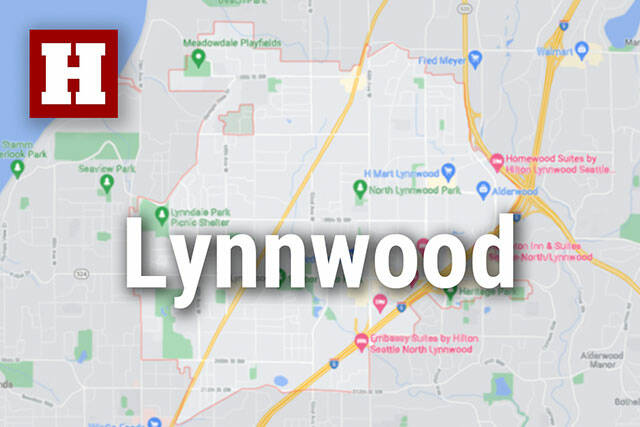
EVERETT — The Lynnwood City Council began discussing an ordinance Wednesday that would streamline the permitting process for food truck vendors.
Currently, many mobile food vendors in Lynnwood operate without a permit, said Karl Almgren, community planning manager for the city, at a council work session Wednesday. A large reason for that is because the current permitting process is unclear, Almgren said.
“We want to establish a clear pathway for these,” Almgren said. “We have found, since food trucks became a new item in our landscapes — not just in Lynnwood, but in the region and throughout the nation — they don’t take away from brick and mortar businesses. They actually, typically, add more to them. They create a place to gather people, and then additional locations are able to strengthen within that.”
The ordinance would only apply to food trucks, Almgren said. Many other mobile food vendors, such as food carts and stands, don’t have adequate refrigeration or clean water, according to the Snohomish County Health Department. In February, the city of Everett passed a law adding criminal penalties for people who operate mobile food stands without proper permits.
No criminal penalties are being considered in Lynnwood, only updates to the permitting process for food trucks.
Currently, the only clear part of the process is that mobile food vendors are allowed at special events, Almgren said. The current regulations also say that mobile food vendors have to be a certain distance away from restaurants that may sell the same things.
“Some of these push and pulls that we identified were reasonable at the time, but we have found that may no longer be necessary to appropriately have stronger food scene within Lynnwood,” Almgren said.
The new code would get rid of regulations that are already required by the health department, such as handwashing stations and refrigeration. It also makes the permitting process more like that of other cities by including similar required documents in addition to a business license: a health department permit, fire department documents and a grease disposal plan.
The proposed ordinance would allow for two types of permits, one that allows a vendor to stay in one place for an extended period of time and another for shorter periods. One of the main questions left to answer is how long that cutoff should be, Almgren said. Council members were in favor of a longer cutoff of 90 days.
“I think about somebody who’s gathering data to know what works and what doesn’t work when they’re looking at a specific area,” council member Isabel Mata said. “You need a substantial amount of time in order to determine whether or not it’s a success.”
The current permit doesn’t have a specific fee, and the ordinance would use the city’s miscellaneous permitting fee of $410, Almgren said.
Council members spoke in favor of the code changes Wednesday.
“When we’re developing a more urbanized community, we want to make sure we have good activity in these spaces,” council President Nick Coelho said. “There’s nothing worse in an urban area than to just have negative activity inhabit those darker areas. So bringing in food and fixing our food truck stuff preemptively, I think is great. It’s proactive.”
The city is looking for community input on the code changes, and a survey is available on its website. A public hearing on the ordinance is scheduled for April 27.
Jenna Peterson: 425-339-3486; jenna.peterson@heraldnet.com; X: @jennarpetersonn.