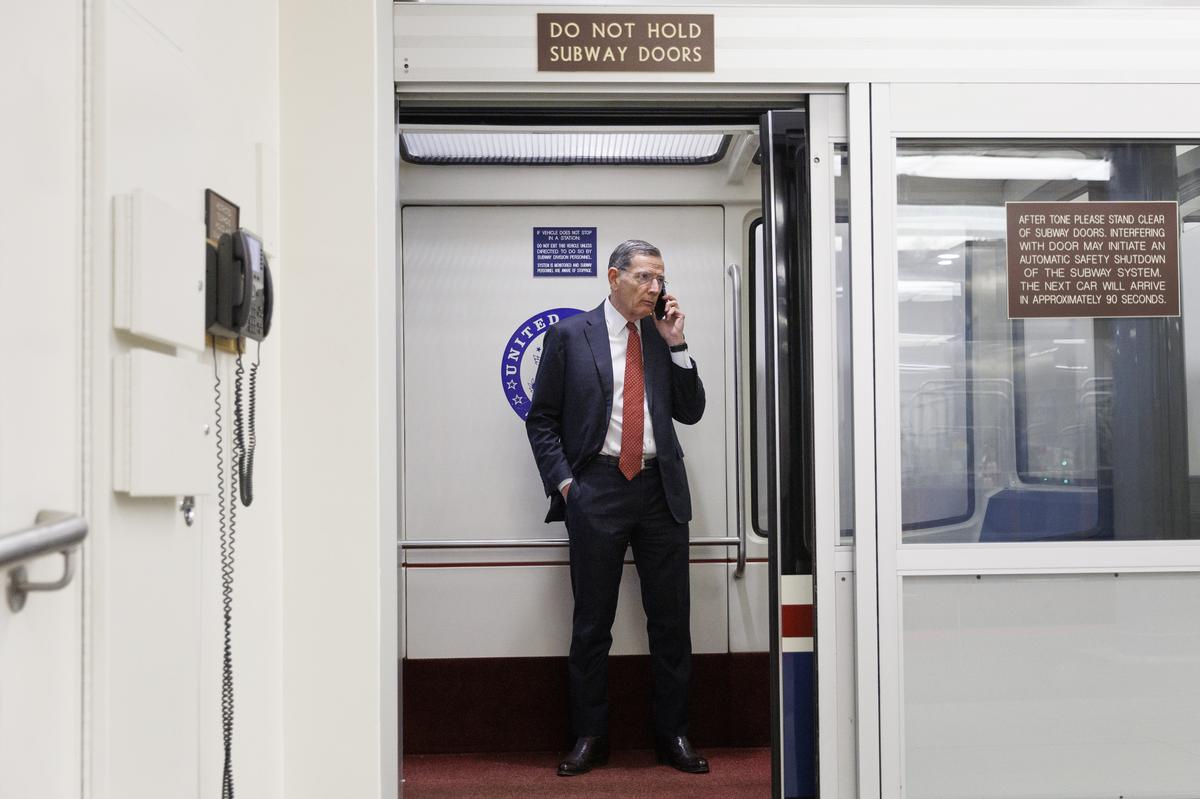
This week U.S. Senator John Barrasso (R-Wyo.) and Representative Mike Carey (R-Ohio-15) introduced a bill they say will ease the burden of high energy prices for American families. The Pay Less at the Pump Act would repeal the $12 billion “Superfund Tax” on domestic oil production and imported petroleum products, a tax reinstated in the Democrats’ 2022 spending package.
The tax, which had long expired, was raised from 9.7 cents per barrel to 16.4 cents and indexed to inflation, meaning it could grow over time. Critics of the tax argue it contributes to higher prices at the pump, while supporters say it funds environmental cleanup efforts.
“Together with the Trump administration, Republicans are working to restore American energy dominance and reverse the Biden administration’s climate policies that drove up energy prices,” Barrasso said in a statement. He added that repealing the tax could help Wyoming energy producers and lower gas prices for families.
Carey framed the bill as a broader economic measure. “Cheaper energy translates into cheaper goods for Americans at every level of the supply chain, allowing families to keep more of their hard-earned cash,” he said.
The legislation has a sizable list of Republican cosponsors, including Senators James Lankford (R-Okla.), Marsha Blackburn (R-Tenn.), John Cornyn (R-Texas), and Cynthia Lummis (R-Wyo.), among others.
Industry groups have been quick to praise the effort. Pete Obermueller, president of the Petroleum Association of Wyoming, called the tax “misguided” and said repealing it could ease costs for local producers. Aaron Ringel from the American Fuel & Petrochemical Manufacturers said eliminating the tax could save consumers billions. The American Petroleum Institute echoed those sentiments, noting that higher taxes could discourage energy investment.
Supporters of the tax, however, argue that it funds cleanup of hazardous waste sites and provides a small but steady revenue stream for environmental protection programs. The Pay Less at the Pump Act would effectively remove that funding, raising questions about how those projects would be financed in the future.
For now, the bill serves as another example of the ongoing debate over energy policy in the U.S.—balancing affordability for consumers with environmental responsibilities and industry investment.
Casper Unites for Impact in Support of Boys & Girls Club
Gallery Credit: Kolby Fedore, Townsquare Media
📣✨ State Spirit Competition in Casper
📣🏆 Cheerleaders, dancers, and stunt teams from across the state brought their energy, skill, and school pride to compete for top honors in cheer, hip-hop, jazz, gameday, and more. It’s an action-packed celebration of teamwork and talent you won’t want to miss! 💥🙌
Gallery Credit: Kolby Fedore