LSU may have decided not to add players who worked with professional teams to its football roster, but the legal battle between some of those players and the SEC and NCAA is still playing out in Louisiana courts.
The student athletes notched an early win Monday night when the Louisiana’s 1st Circuit Court of Appeal left in place an injunction issued by the district court last month that allows them one more year of competition while the case makes its way through the courts.
Judges Allison Penzato, Walter Lanier III and Wilson Fields in a ruling Monday refused to pause the lower court proceedings or suspend District Judge Will Jorden’s preliminary injunction, saying that the SEC had “not shown an abuse of discretion by the district court.”
The SEC still has the option to ask the Louisiana Supreme Court to review Jorden’s decision. The NCAA, also a defendant, has the option to appeal Jorden’s decision.
And, the full case on the merits still has to be litigated.
Tony Clayton, one of the attorneys for the student athletes who are plaintiffs in the case, said he doesn’t know what the SEC’s next move will be, and he accused the league of continuing to file a slew of fruitless motions, which he likened to low-accuracy “Scud missiles.”
“I don’t have a clue what these people will do next, but whatever they do, they’ll be met with fierce resistance,” he said.
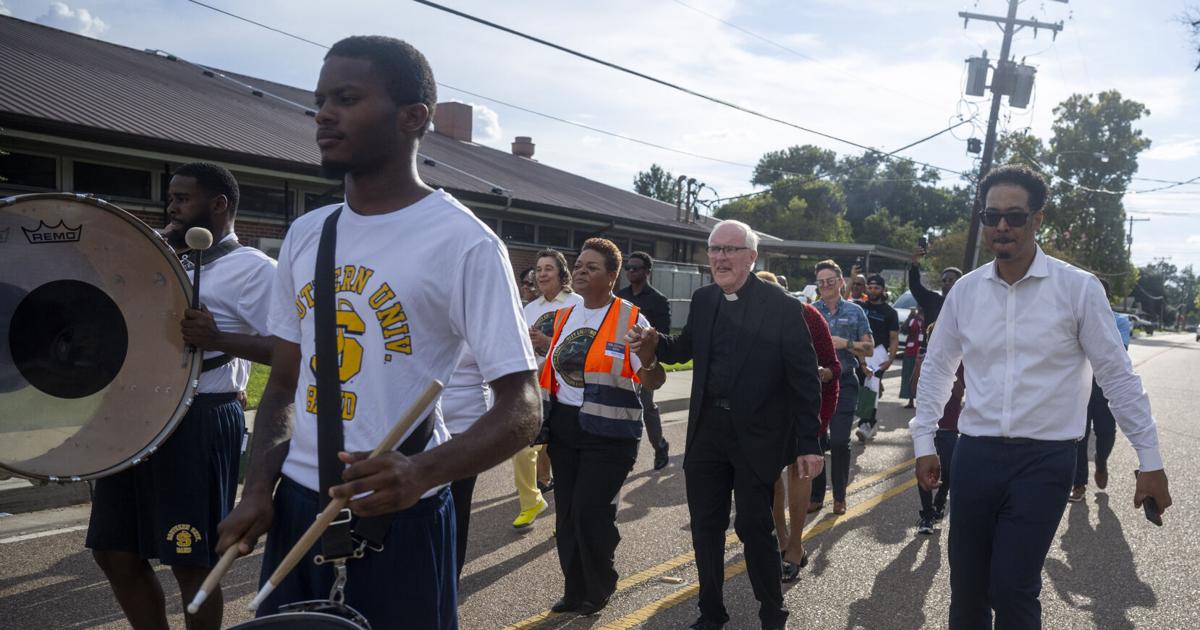
Clayton is also the district attorney for West Baton Rouge, Iberville and Pointe Coupee parishes, and the chair of the Southern University Board of Supervisors. Jason Williams, the New Orleans district attorney, is on the opposing legal team representing the SEC; both are working on the case through their private practices.
Williams did not immediately respond to a request for comment Tuesday.
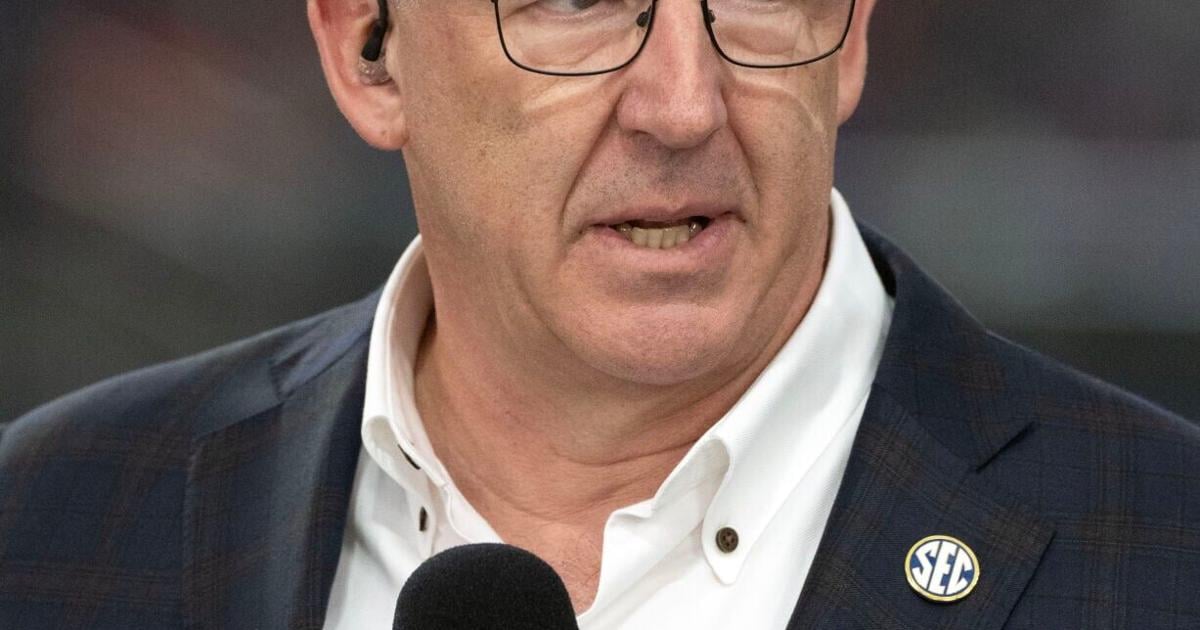
Clayton said he is “extending an olive branch” to the SEC and Commissioner Greg Sankey to try to work out an agreement.
“I’m willing to get all my parties to sit down with the NCAA and see if we can bring some closure to this,” he said.
A group of more than 40 players sued the two college athletics governing bodies in Louisiana state court last month, seeking a final year of eligibility to play in various sports after the NCAA this summer changed its rules to allow athletes to play five seasons over the course of five years.
The plaintiffs are 2022 high school graduates, who were excluded from the NCAA’s new eligibility model. A subset of those players signed with pro teams before the rules changed but were either cut from professional teams or chose not play, and they argued they would have remained in college for another year under the recently implemented model.
LSU head football coach Lane Kiffin was prepared to bring on two of the plaintiffs — tight end Dae’Quan Wright and defensive tackle Zxavian Harris, who had signed with the Browns and Saints, respectively, but did not end up playing for those teams.
However, the SEC filed its own lawsuit against Kiffin and other LSU and state officials in a federal Alabama court over issues related to conference self-governance and rules prohibiting professional players. Kiffin ended up not signing Wright or Harris, instead adding two injured players to the roster, cornerback Aidan Anding and defensive end Gabriel Reliford.