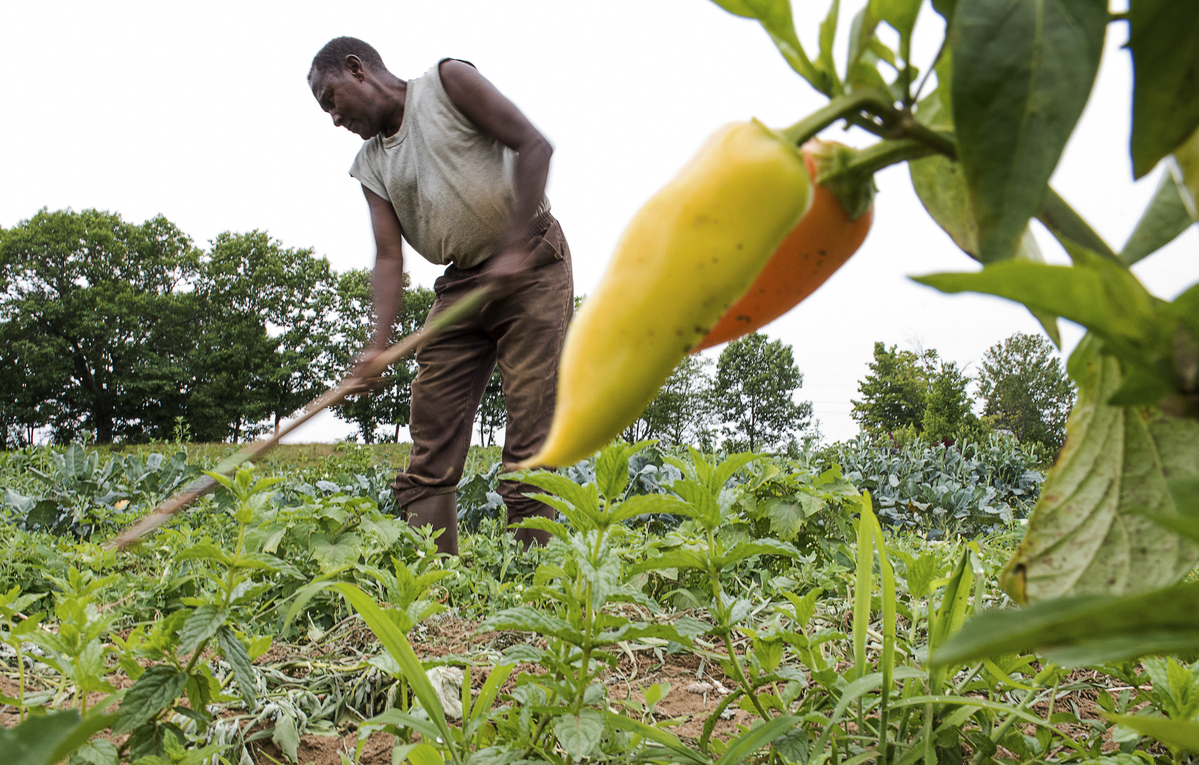
Soaring temperatures and high humidity aren’t just likely to make the Fourth of July weekend uncomfortable for Mainers — garden crops won’t likely be happy either.
The National Weather Service has issued a heat advisory for much of the state including the Bangor region on Wednesday, turning into an extreme heat watch Thursday in coastal Hancock and Waldo counties up to Bangor.
Temperatures in the mid-90s and an even higher heat index are expected Down East and in central Maine. Friday temperatures are forecast to stay high along the coast, but drop somewhat in the north, according to the weather service.
High heat stresses garden plants and can negatively affect flowering and pollination for crops like tomatoes, cucumbers, squash, melons and green beans. Plants are also resilient, but some easy steps in the garden help prepare them for the shock.
Try to water less frequently and more deeply, which leads plants to develop deep roots, rather than staying closer to the surface where they’re more susceptible to harm from drought and heat stress.
Instead, give a deep soak two or three times a week, in the morning if possible, until the soil is wet a few inches down, the University of Maine Cooperative Extension recommends. In general, vegetable plants need at least an inch of water per week.
Watering the day before the heat comes on will help prepare your plants, according to the Morton Arboretum.
Then, cover the soil around the plants with a layer of mulch — such as straw, leaves or grass clippings — to help keep moisture in and soil temperatures down. Wood chips or woody residue can work in a pinch too, but may reduce the amount of nitrogen available to plants over time if left in place.
In-ground plants can be covered with shade cloth, a woven fabric that can be propped up over individual beds. Easy options include stakes, wire hoops you can make yourself by snipping lengths of galvanized wire from the hardware store, or a larger canopy. It’s important to leave room for air to flow around the plants.
If plants do look wilted during the peak of afternoon heat, don’t panic. If their leaves are still soft and the soil is moist for an inch or two, that’s a sign of temporary stress rather than drought damage, and they may perk back up in the evening or when temperatures go back down.
Overwatering can actually cause more problems down the line, like root rot and fungal problems, according to N.C. Cooperative Extension.
Bonus tips: avoid transplanting seedlings until temperatures come back down. That’s already a shock for young plants, and they’ll be less able to bounce back from the heat before their roots get established in new surroundings. Hold back on fertilizing and heavily pruning plants, too, to avoid encouraging new growth during stressful conditions.