(function(w,q)[];w[q].push([“_mgc.load”]))(window,”_mgq”);
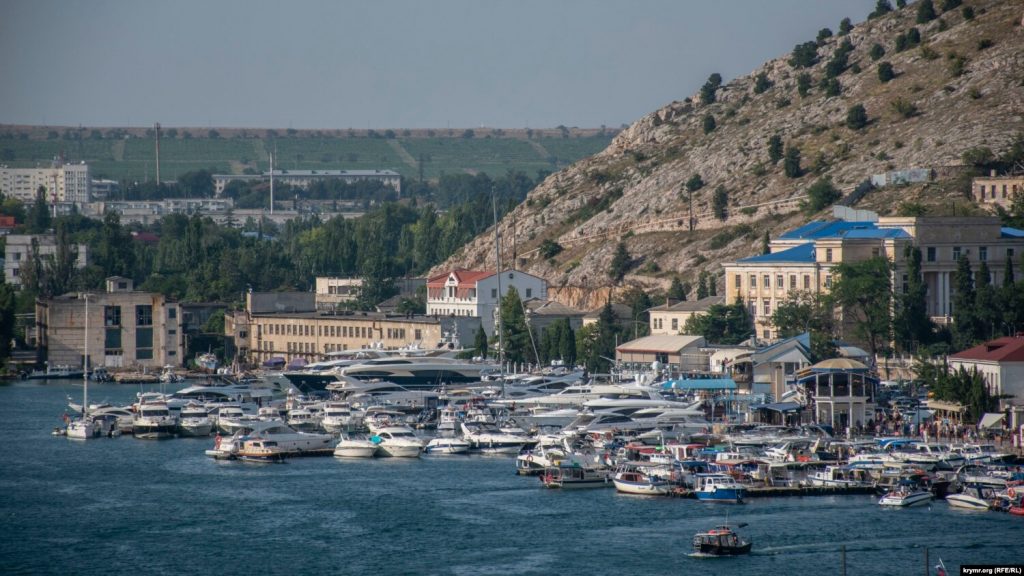
Ukraine’s Special Forces said they hit the turbine equipment that keeps the lights on in occupied Crimea for the Russian armed forces. Also, resistance took part in the mission which struck the Balaklava thermal power plant in Sevastopol overnight on 14 July.
The strike damaged the machine hall housing the cooling system of one of the plant’s Siemens SGT5-2000E turbines, and if the pumping equipment was hit, repairs could take two to five months.
Balaklava is one of two plants that together supply about 90% of Crimea’s electricity, and the damage sticks because of the turbines’ origin.
Balaklava and the Tavrida plant in Simferopol were opened by Putin in 2019 to end Crimea’s dependence on mainland power, and both were built around Siemens turbines transferred to Crimea and installed in breach of EU sanctions.
Illegal Siemens turbines
Those Siemens units remain under sanctions and out of proper service, so Russia cannot simply replace a damaged turbine — each hit compounds the last.
The turbines reached Crimea in 2017 through the Russian firm Technopromexport, and German prosecutors charged five Siemens staff over the deal in 2024.
Crimea’s grid is occupation’s weak point
Occupied Crimea is a military-logistical hub for the Russian army, and stable electricity is what keeps it running. Communications nodes, command centers, radar stations, electronic warfare, air defense, repair plants, the Black Sea Fleet, and military airfields all depend on the grid.
Hitting the generation on the peninsula degrades both the offensive and defensive capacity of Russian forces there and slows the tempo of their rear supply.
Ukraine has spent the past three weeks proving the point.
This was not Balaklava’s first hit. A Ukrainian drone strike on 24 June blacked out all of occupied Sevastopol, with the plant as its primary target. The 14 July operation names a more specific wound: the cooling system of a single turbine, the component Russia can least afford to lose.
A sustained campaign has hit Balaklava and Tavrida repeatedly, blacked out Sevastopol and Yalta, and pushed the occupation to declare a peninsula-wide state of emergency on 26 June.
Russia is already cannibalizing itself to keep power on
The strikes are landing on a grid that cannot be quickly rebuilt, and Russia’s workarounds show it. The partisan movement ATESH reported that occupation authorities have begun stripping transformers from idle Northern Crimean Canal pumping stations to patch substations destroyed by Ukrainian strikes.
Before Russia’s 2014 annexation, Crimea drew more than 80% of its electricity from mainland Ukraine. The grid Moscow built to replace that link is the one Ukraine is now taking apart, one turbine at a time.
Read also
-
Occupied Crimea’s “energy independence” runs on gas Ukraine can cut
-
From Russia’s contract to death in about month: Cameroon student and 23-year-old were found dead in Ukraine
-
A nationwide bomb-shelter overhaul is underway in Belarus as Moscow pushes Minsk toward its war against Ukraine
(function(w,q)[];w[q].push([“_mgc.load”]))(window,”_mgq”);