As Uganda moves deeper into another heated election season, a coalition of child rights organisations is urging political parties and candidates to rethink how they engage with young people, not as campaign props, but as citizens deserving protection.
At a press conference held at the Uganda Human Rights Commission in Kampala, representatives from the National Initiative for Civic Education in Uganda (NICE-UG), the Uganda Human Rights Commission, the Uganda Child Rights NGO Network, and UNICEF Uganda issued a blunt appeal: keep children out of harm’s way, and keep them out of campaign spaces that expose them to exploitation and violence.
“Protecting children from harm and exploitation is not optional. It is a shared responsibility,” said Joseph Biribonwa, chairperson of NICE-UG.
“It is the duty of all parents and caregivers, teachers, religious, cultural and political leaders, and the media to ensure that children are protected during elections.”
The organisations warned that while campaigns intensify across the country, children continue to appear at rallies, roadshows and in political advertisements—an ongoing breach of national and international child protection standards.
They stressed that involving children in campaign activities violates their right to safety and exposes them to both physical danger and psychological stress.
‘WHEN ELEPHANTS FIGHT, IT IS THE GRASS THAT SUFFERS’
Damon Wamara, executive director of the Uganda Child Rights NGO Network, reminded political leaders that children make up more than half of Uganda’s population—yet remain the most vulnerable when political tensions rise.
“More than half of all Ugandan citizens are children,” Wamara said. “Investing in children, listening to their voices, and promoting their rights must be a priority of every political leader.”
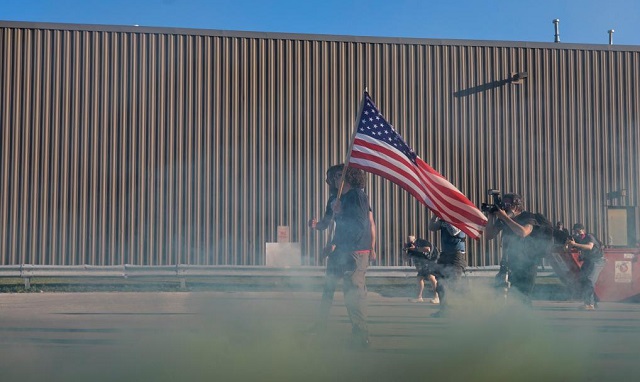
He recalled scenes from previous elections where children were caught in tear gas, stampedes, and clashes between security forces and crowds. In many communities, he said, children continue to play outside unaware of the risk—until chaos erupts around them.
“When elephants fight, it is the grass that suffers,” Wamara said. “And in this case, the children are the grass.”
He noted that children have often been used as campaign agents, made to chant slogans or deliver messages they barely understand. This, he warned, builds tension within families and communities and may place the children themselves in conflict’s crosshairs.
While exposure to democratic processes is important, Wamara said, children must observe from a safe distance—not become instruments of political mobilisation.
ELECTIONS, GIFTS, AND A DANGEROUS CHAIN REACTION
Wamara also raised concerns over the distribution of gifts during campaign seasons— particularly money and alcohol. “
Elections often come with gifts, including money. This money is sometimes used to buy alcohol, which later becomes a driver of gender- based violence,” he said.
“Gender-based violence is closely linked to child abuse. Children are often at the tail end of whatever is given out.”
The coalition urged political parties to consider the unintended consequences of their campaign practices, warning that harm frequently trickles down to households and, ultimately, to children.
A NATIONAL DUTY TO PROTECT
Uganda Human Rights Commission chairperson, Mariam Wangadya, reinforced the call for political leaders to prioritise child safety.
“We urge all political actors to promote the safety of children during the election period. Let us not expose children to political processes that compromise their rights,” she said.
UNICEF Uganda’s country representative, Dr Robin Nandy, echoed this message in a statement, reaffirming UNICEF’s commitment to partnering with government, civil society, parents, and the media to protect children before, during and after the election cycle.
“UNICEF remains dedicated to working with the Government of Uganda and all partners to protect and promote children’s rights, ensuring their safety and wellbeing across the country during and after the election period,” Nandy said.
Nandy stressed that investing in children is not only a moral obligation but also critical to achieving Uganda’s development goals under the National Development Plan IV and Vision 2040.
A HEIGHTENED RISK PERIOD
According to the organisations, children face increased vulnerability during elections—not only from violence and exploitation but also from disruptions to essential services such as healthcare, schooling and social support programmes.
The coalition plans to intensify advocacy and public awareness campaigns, share child protection materials widely, and coordinate closely with national and local authorities to monitor risks and respond swiftly where needed.
Their message to political leaders was simple but urgent: the pursuit of votes must never outweigh the safety, dignity, and rights of Uganda’s children.