Nearly 60 percent of Turkey’s population is anxious about earthquakes, yet three out of every four households do not have an emergency kit ready, according to a survey released by the Association of Turkish Construction Material Producers (İMSAD).
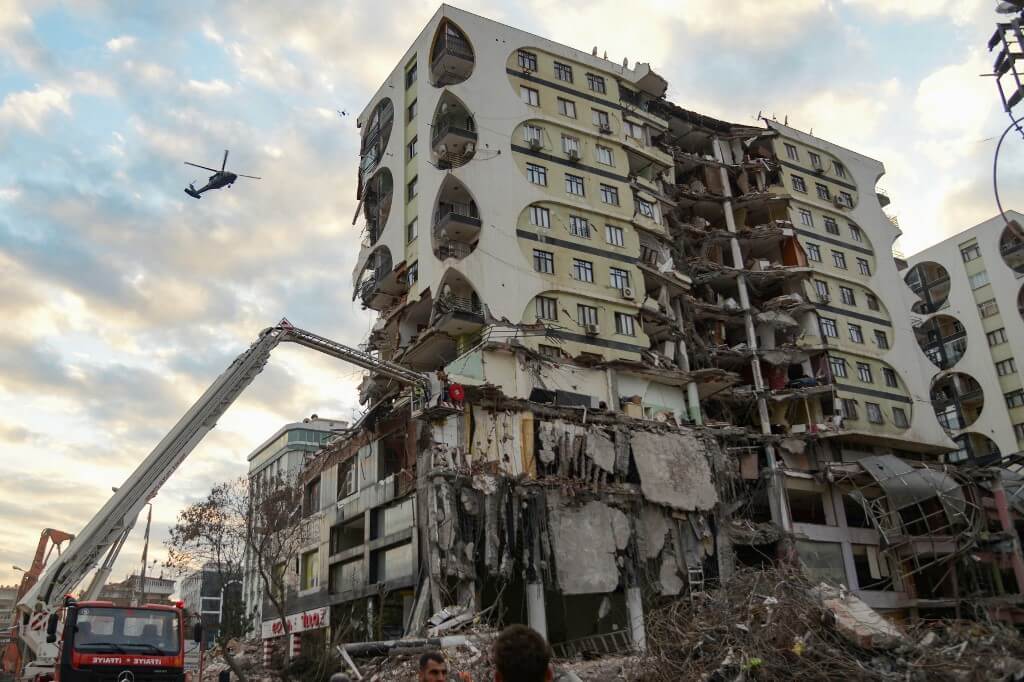
The findings, published nearly three years after February 2023 earthquakes that killed more than 53,000 people in Turkey, point to a persistent gap between public awareness of seismic risk and individual action to prepare for it.
The “Earthquake Risk Living Awareness” survey was conducted across Turkey’s seven geographical regions on 1,067 participants. The sample was structured to reflect national demographics in line with data from the Turkish Statistical Institute (TurkStat), covering gender, age, socioeconomic status and education levels. Some 66 percent of Turkey’s land and 71 percent of its population are located in medium and high-risk seismic zones, according to the report. When the definition of risk areas is expanded, that figure rises to 90 percent.
Among those surveyed, 58.3 percent said they are anxious about earthquakes, a figure that rises to 67.7 percent among women. Nearly 60 percent reported having personally experienced an earthquake that seriously affected their lives, and 40.6 percent said they consider a devastating earthquake to be likely within the next five years. Despite this, 45.5 percent said they do not feel prepared for an earthquake, meaning roughly one in two people have not adequately planned how to protect themselves or what to do in the event of a major tremor.
The survey found significant shortfalls in basic preparedness measures. Emergency earthquake kits were absent in 73.1 percent of households. More than half of respondents — 55.2 percent — said they did not know the location of their nearest designated emergency assembly point. Policy holders of Turkey’s Compulsory Earthquake Insurance (DASK) stood at just 41.6 percent, leaving more than half of all households without financial protection in the event of a disaster. The insurance, mandated by law for residential properties, covers structural damage caused by earthquakes.
A notable disconnect emerged between perceived building safety and actual verification. While 59.4 percent of respondents said they considered their building safe against earthquakes, 74.5 percent said no structural risk assessment had ever been carried out on the building they live in. Roughly one-third of the population lives in buildings constructed before 1999, when Turkey’s building codes were overhauled following an earthquake in İzmit that killed more than 18,000 people.
Awareness of government support programs for urban renewal and structural reinforcement also was low. Some 57.7 percent of respondents said they were unfamiliar with available government incentives for urban transformation, Turkey’s program to replace or reinforce buildings that do not meet current seismic standards. A further 42.5 percent said they lacked information about the reinforcement process itself, while 71.2 percent said they found it difficult to access reliable information on the subject.
The survey also examined the role of fatalism in shaping attitudes toward earthquake preparedness. Some 39.7 percent of respondents said they believed personal precautions would not change the outcome, while 60.3 percent said preventive measures could make a significant difference. Fatalistic attitudes were more prevalent among those with lower levels of education — 52.3 percent among respondents with a primary school education or less, compared to 27.3 percent among university graduates. However, even among those who said precautions matter, the survey found that belief did not consistently translate into action.
İMSAD Chairman Tayfun Küçükoğlu indicated that the data showed a clear pattern, saying, “Turkey knows about earthquakes, fears earthquakes, but does not adequately prepare for them,” calling for a shift from short-term responses to sustained collective action. “We must not limit the fight against earthquakes to momentary reflexes but carry it forward with lasting collective awareness and an all-out approach to preparedness.”