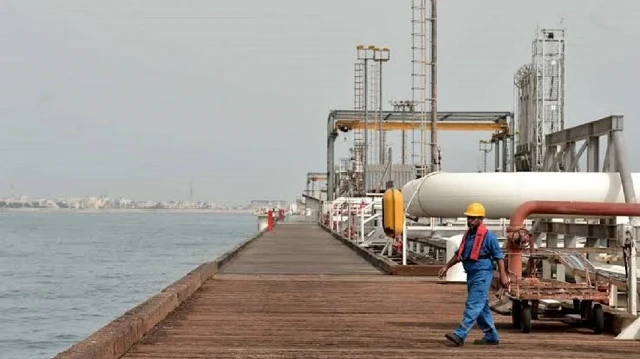
Iran’s oil exports have ground to a complete halt, Central Bank Governor Abdolnaser Hemmati confirmed in a televised interview on Wednesday, attributing the collapse to the combined effects of war and renewed US sanctions. Hemmati noted that neighbouring Iraq and Qatar face similar export disruptions, but stressed that Tehran’s predicament is uniquely severe because Washington has frozen Iranian foreign currency reserves, leaving the government unable to access its own assets abroad.
Preparations and unresolved funds
The governor insisted that both the government and the central bank had anticipated such a scenario and made contingency arrangements to manage the loss of oil revenue. However, he acknowledged that funds expected to be released under the June framework agreement with the US—known as the Islamabad Memorandum—have yet to materialise. That understanding, intended as a stepping stone toward a comprehensive deal, has not advanced amid resurgent hostilities between Tehran and Washington.
Iraq ties and payment hurdles
Turning to Iran’s economic relations with Iraq, Hemmati revealed that before the current crisis, Tehran exported $12 billion annually in goods and services to its western neighbour, including $4 billion in government-to-government energy supplies. While Baghdad has pledged to settle outstanding debts, the closure of the Strait of Hormuz has severely disrupted Iraqi oil revenues, complicating payment flows. Hemmati added that discussions are under way to facilitate the transfer of Iranian funds held in Iraqi banks, with Iraqi Prime Minister approving a proposal to use the Trade Bank of Iraq to back guarantees for Iranian contractors operating in the country.