COP31 host Turkey said Monday that pursuing “climate-responsible AI” and encouraging technology companies to power data centers with clean energy would be priorities when it stages the summit in November.
The annual UN climate conference will take place in the southern Turkish resort city of Antalya, with its hosts asking countries to support initiatives aimed at reducing emissions from waste, making cities more resilient to climate change and expanding electrification.
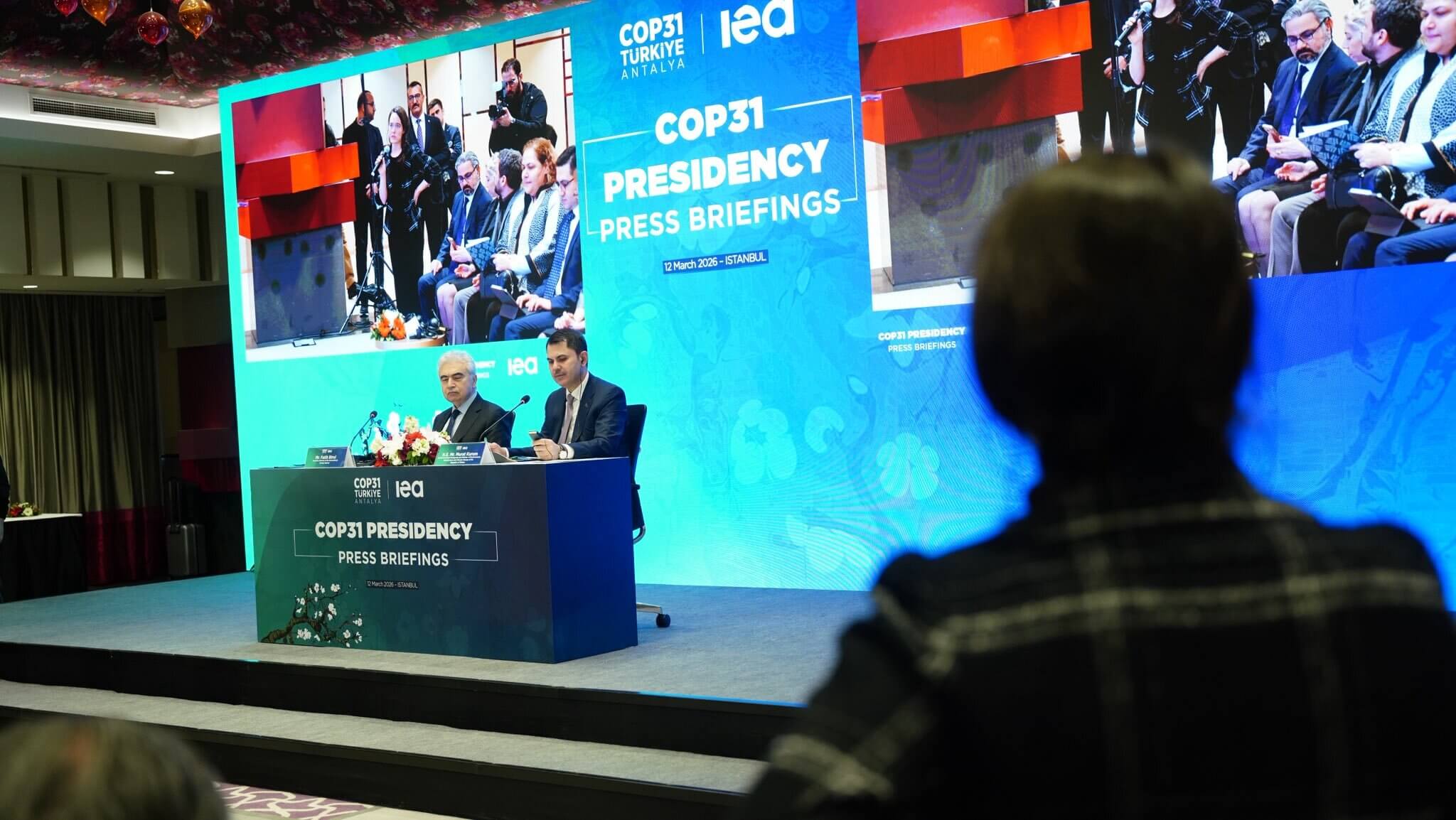
COP31 President and Turkish Climate Minister Murat Kurum announced Monday that the summit would also address “growing fears over the rise of AI” and its carbon footprint.
“COP31 will meet this moment,” Kurum said in a statement in New York, where he is attending the annual Climate Week event.
“We must openly discuss AI’s growing energy consumption, and it is time for governments to start setting the terms. We expect companies to be transparent about their energy use and to power their operations with clean energy.”
The COP31 presidency said it was developing a “political pledge” with a United Nations agency on how AI could support climate goals. A draft will be unveiled before the summit.
A second initiative will showcase pilot projects to “demonstrate the responsible use of AI in practice.”
The pledge will be voluntary and will not require the approval of the nearly 200 countries that make decisions by consensus during the often difficult UN-sponsored climate summits.
Every year, COP hosts encourage countries to support nonbinding pledges under a parallel “action agenda” separate from the formal negotiations.
Under an unusual arrangement this year, Australia will preside over the marathon political negotiations, while Turkey will host the event and design the agenda of events outside the formal talks.
The centerpiece of Turkey’s agenda is a new electrification target aimed at increasing the global share of energy demand met by electricity to 35 percent by 2035.
In simple terms, electrification means replacing technologies that directly burn fossil fuels, such as gas heating systems and diesel vehicles, with electric alternatives.
But to tackle climate change, the additional electricity must come primarily from clean sources such as solar and wind. Turkey’s “35×35” target does not explicitly state how the extra power should be produced.
Countries remain divided over how to phase out planet-warming fossil fuels, and no major breakthrough on the issue is expected during the formal climate negotiations beginning November 9.
© Agence France-Presse